
Bringing a new cat into your home is an exciting milestone, but it can also be a source of stress—for both you and your feline companion. Cats are creatures of habit, sensitive to changes in environment, scent, and routine. A rushed or poorly planned introduction can lead to anxiety, behavioral issues, or even health problems. The key to a successful integration lies in preparation, patience, and a structured approach. Whether you're adopting a kitten, a senior cat, or welcoming a rescue with an unknown history, this guide provides actionable steps to ensure a calm and confident transition.
Prepare Your Home Before Arrival
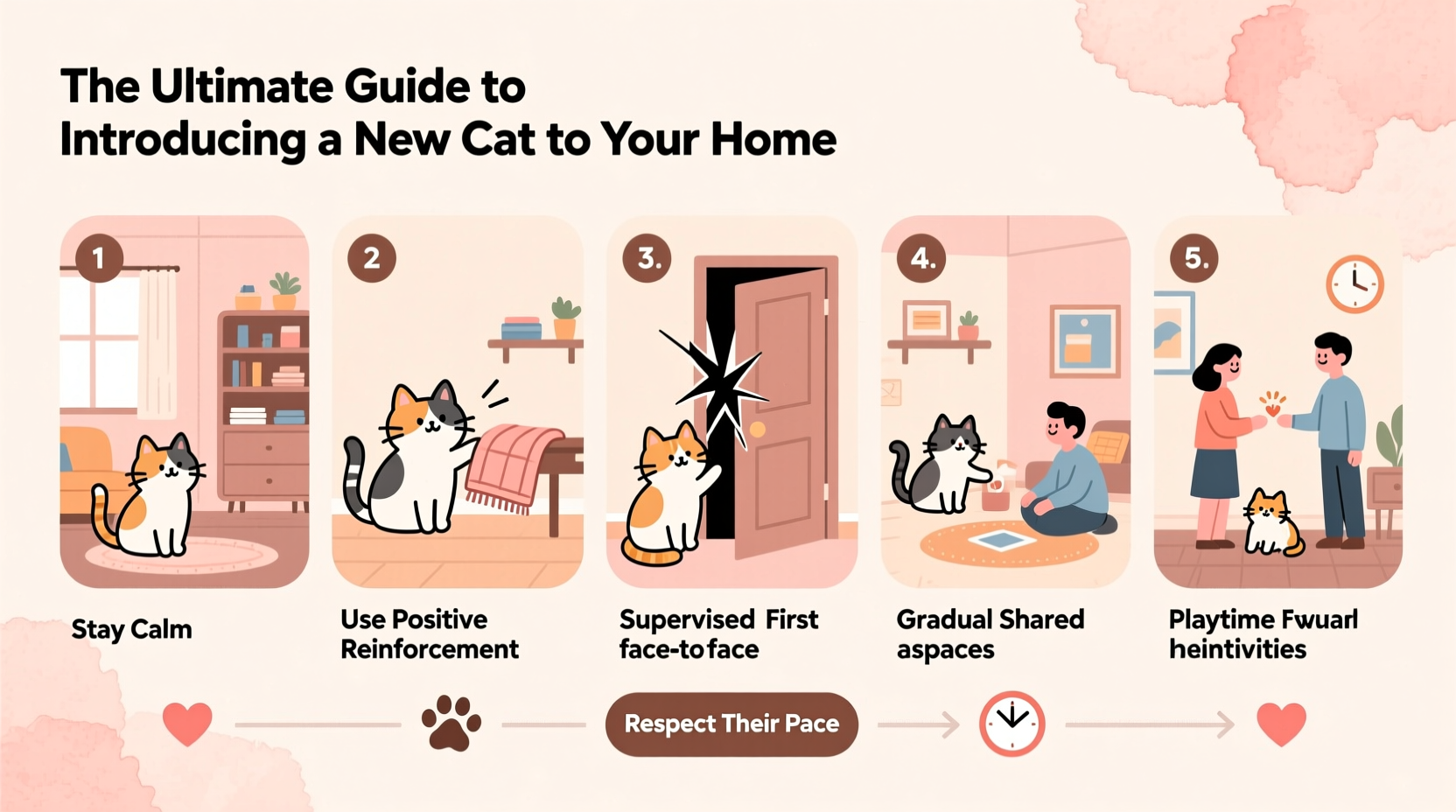
Before your new cat crosses the threshold, create a safe, quiet space where they can acclimate without feeling overwhelmed. This “transition room” should be free from loud noises, foot traffic, and other pets initially. Equip it with essentials: a litter box, food and water bowls, a comfortable bed, scratching post, and a few toys. Avoid overcrowding the space—too many stimuli can heighten stress.
Ensure all toxic plants, loose cords, and small objects are out of reach. Secure windows with screens and close doors to unsafe areas. If you have other pets, begin adjusting their routines early so changes don’t coincide with the cat’s arrival. For example, if dogs are used to roaming freely, start using baby gates or crates to establish boundaries.
Step-by-Step Introduction Timeline
A gradual introduction over 7–14 days significantly increases the chances of long-term harmony. Follow this timeline to minimize fear and build confidence.
- Days 1–3: Quiet Isolation – Let the cat stay in the prepared room. Visit gently, speak softly, and offer treats. Do not force interaction. Allow them to explore at their own pace.
- Days 4–5: Scent Swapping – Rub a soft cloth on your new cat and place it near other pets’ sleeping areas (and vice versa). This helps animals become familiar with each other’s scent without direct contact.
- Days 6–7: Controlled Visual Contact – Use a baby gate or cracked door so pets can see but not touch one another. Monitor body language closely—hissing or growling is normal; prolonged aggression requires slowing the process.
- Days 8–10: Supervised Interactions – Allow brief, leashed or contained meetings. Keep dogs on a leash and have treats ready to reward calm behavior.
- Days 11+: Gradual Freedom – Once all parties appear relaxed, allow short periods of unsupervised access. Continue monitoring for signs of tension.
This timeline is flexible. Some cats adapt within a week; others may need several weeks. Rushing leads to setbacks.
Essential Checklist for a Smooth Transition
- Designate a quiet room for initial adjustment
- Stock high-quality food, litter, and clean bowls
- Schedule a vet visit within the first week
- Microchip and ID tag your cat immediately
- Introduce scents of household members and pets gradually
- Establish a consistent feeding and play schedule
- Provide hiding spots (cardboard boxes, covered beds)
- Use pheromone diffusers like Feliway to reduce anxiety
- Monitor litter box usage daily
- Document behavior patterns for your vet
Common Mistakes and What to Avoid
Even well-meaning owners can unintentionally hinder the transition. Recognizing these pitfalls helps prevent unnecessary stress.
| Do’s | Don’ts |
|---|---|
| Let the cat set the pace for interaction | Force handling or cuddling too soon |
| Use positive reinforcement with treats and praise | Punish fear-based behaviors like hiding or hissing |
| Keep noise levels low and routines predictable | Host large gatherings right after arrival |
| Allow escape routes during pet introductions | Trap the cat in a corner with no exit |
| Monitor appetite, litter use, and activity | Ignore signs of illness or withdrawal |
“Cats don’t move in straight lines—they spiral. Progress isn’t always forward, and that’s okay. Patience isn’t passive; it’s active respect for their emotional needs.” — Dr. Lena Reyes, Feline Behavior Specialist
Real-Life Example: Introducing Luna to a Multi-Pet Home
The Thompson family adopted Luna, a three-year-old domestic shorthair from a shelter. They already had a dog and an older cat. Instead of letting Luna roam freely, they set up a guest bedroom with all essentials. For the first two days, Luna hid under the bed. The family left treats and spoke quietly during visits. On day three, she ate in front of them. By day five, they began swapping scents—using blankets between rooms. On day seven, they used a baby gate for visual exposure. Their dog remained calm, but the resident cat swatted once. They paused for two extra days before resuming. After ten days, Luna confidently explored the living room. Within three weeks, all pets were sharing space peacefully. The slow approach prevented territorial conflicts and built trust.
Frequently Asked Questions
How long does it take for a new cat to adjust?
Most cats begin to relax within 3–5 days, but full adjustment can take 2–6 weeks. Shy or traumatized cats may require longer. Signs of adjustment include consistent eating, using the litter box, and initiating contact.
What if my new cat won’t come out of hiding?
Hiding is normal. Avoid pulling the cat out. Instead, sit quietly nearby, talk softly, and offer strong-smelling treats like tuna or chicken. Provide covered beds or cardboard boxes to make hiding feel safer while still being part of the environment.
Can I let my new cat roam the house right away?
It’s strongly discouraged. Without a controlled introduction, cats can develop fear associations with certain rooms or people. Start small, then expand access gradually as confidence grows.
Final Thoughts: Building Trust One Step at a Time
Introducing a new cat isn’t about speed—it’s about creating a foundation of safety and trust. Every sniff, blink, and cautious step forward is progress. By respecting your cat’s instincts and emotional limits, you foster a bond that lasts years. Remember, a calm beginning leads to a confident companion. The effort you invest in these early days pays dividends in affection, health, and harmony.




 浙公网安备
33010002000092号
浙公网安备
33010002000092号 浙B2-20120091-4
Comments
No comments yet. Why don't you start the discussion?