
Cropped jackets have become a staple in modern wardrobes—offering sharp silhouettes, balanced proportions, and effortless edge. However, their shorter length often raises concerns about insulation during colder months. The solution lies not in abandoning the trend, but in mastering the art of layering. When done correctly, layering under a cropped jacket can enhance both thermal comfort and aesthetic appeal. This guide breaks down how to build effective, stylish ensembles that keep you warm without compromising on fashion.
Understanding the Cropped Jacket: Form Meets Function
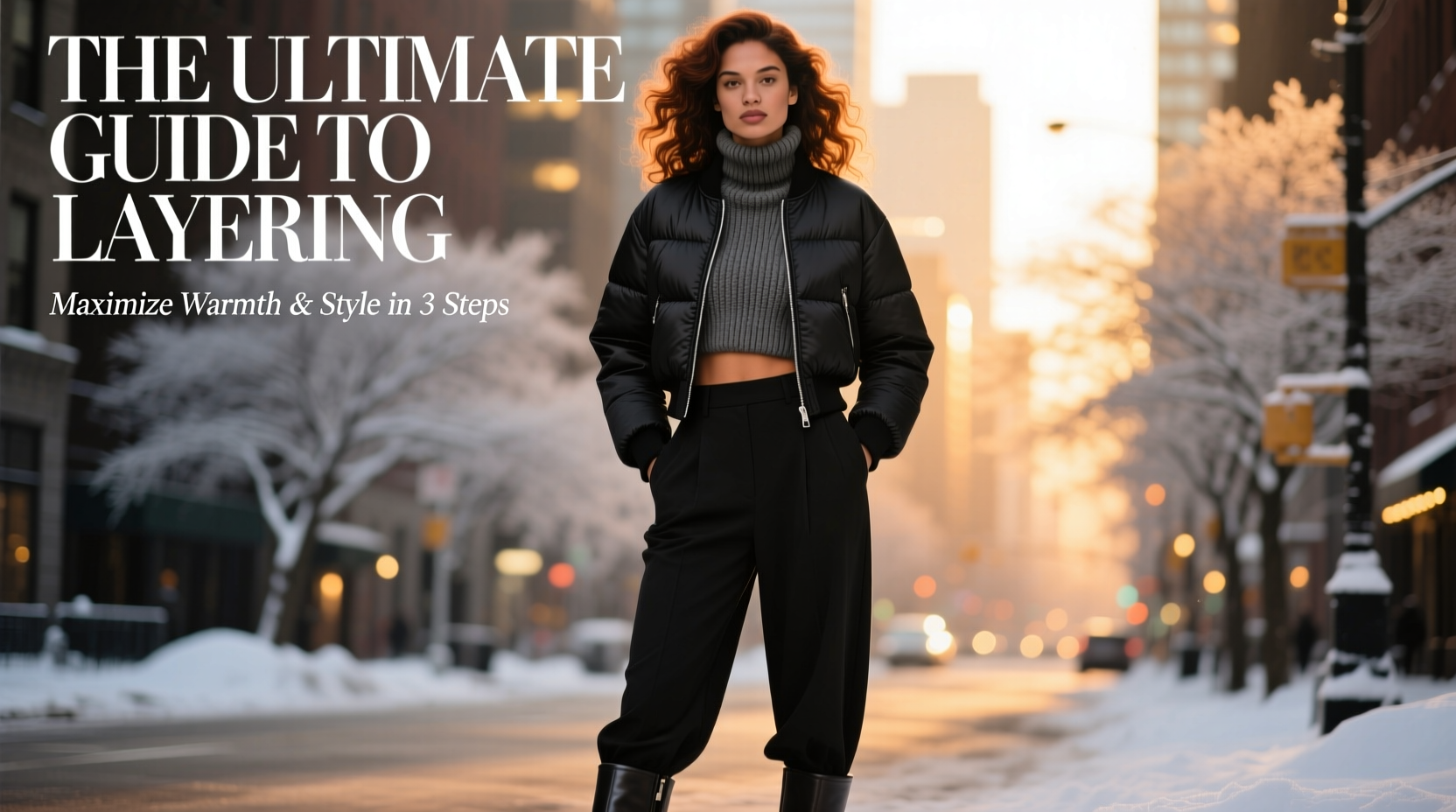
A cropped jacket typically ends above the hip, drawing attention to the waist and creating a flattering vertical line. Whether it’s a tailored blazer, a puffer, a denim trucker, or a leather moto, the cut demands thoughtful coordination when temperatures drop. Unlike full-length outerwear, cropped styles leave the midsection exposed, which means internal layers must compensate for lost coverage while maintaining a clean profile.
The key is strategic layering: building up from the base while ensuring each piece complements the next. Over-layering leads to bulk; under-layering risks discomfort. The goal is balance—thermal efficiency paired with visual harmony.
“Layering isn’t just about warmth—it’s about proportion, texture, and intention. A cropped jacket asks for precision.” — Lena Torres, Fashion Stylist & Wardrobe Architect
Step-by-Step Guide to Effective Layering
Follow this five-step approach to create cohesive, warm, and stylish looks centered around your cropped jacket.
- Start with a moisture-wicking base layer: Choose fitted, breathable fabrics like merino wool, silk, or technical synthetics. These materials regulate temperature and prevent clamminess without adding volume.
- Add a mid-weight insulating layer: Opt for a lightweight turtleneck, long-sleeve henley, or thermal shirt. Stick to slim fits to avoid puffing at the sleeves or waistline.
- Integrate a core-warming piece (optional): For extreme cold, consider a thin heated vest or a quilted liner worn beneath your mid layer. These maintain warmth without disrupting the jacket’s drape.
- Select a cropped jacket with structure: Jackets featuring slight tailoring, ribbed hems, or adjustable waists seal in heat more effectively than boxy cuts.
- Finish with complementary bottoms: High-waisted trousers, jeans, or skirts bridge the gap between jacket and midriff, minimizing exposure and enhancing silhouette continuity.
Material Matters: Choosing the Right Fabrics
Fabric selection directly impacts both comfort and appearance. Heavier materials like thick cotton or stiff wool may distort the cropped jacket’s fit, while overly sheer fabrics compromise warmth. Below is a comparison of common layering materials and their suitability:
| Fabric | Warmth Level | Bulk Factor | Best For |
|---|---|---|---|
| Merino Wool | High | Low | Base layers in cold climates |
| Silk | Moderate | Very Low | Under structured jackets |
| Microfleece | High | Moderate | Mid-layers in dry cold |
| Cotton Jersey | Low-Moderate | Low | Mild weather or transitional seasons |
| Down-Blend Vests | Very High | Low (when compressed) | Sub-layer insulation |
Prioritize natural or performance fibers that manage moisture and retain heat efficiently. Avoid cotton-heavy blends in wet conditions—they lose insulating properties when damp.
Seasonal Strategies: Adapting Your Layers Year-Round
Layering isn’t static—it evolves with the climate. Here’s how to adjust your approach across seasons:
- Spring/Fall: Combine a long-sleeve merino tee with a cropped utility jacket. Add a lightweight scarf for wind protection.
- Winter: Wear a mock-neck thermal under a chunky knit sweater, then top with a cropped wool coat. Ensure the sweater hem sits just below the jacket for coverage.
- Indoor Transitions: In heated spaces, remove the mid-layer but keep the base. A sleek turtleneck maintains polish even when the jacket comes off.
Real Example: Urban Commuter in Winter
Sophia, a graphic designer in Chicago, wears a black cropped puffer jacket daily from November to February. Her go-to combination: a charcoal merino base layer, a slim-fit grey thermal long-sleeve, and high-waisted corduroy pants. She pairs this with ankle boots and a beanie. On particularly frigid days, she adds a thin down vest beneath her thermal layer. Despite the jacket ending at her ribs, she stays warm thanks to layered insulation and minimal midriff exposure. Colleagues often compliment her look as “cozy but put-together”—proof that function and fashion coexist.
Common Pitfalls and How to Avoid Them
Even experienced dressers make mistakes when layering cropped jackets. Here are frequent errors and their fixes:
- Bulk at the arms: Caused by oversized mid-layers. Solution: Size down in your sweater or choose raglan sleeves for better mobility.
- Jacket riding up: Often due to tight tops or improper fit. Solution: Ensure your base layer isn’t too snug and select a jacket with a relaxed shoulder.
- Visible gaps at the waist: Excess skin exposure defeats the purpose of layering. Solution: Pair with high-waisted bottoms or add a wide belt over the jacket to define the waist visually.
- Overheating indoors: Common with non-breathable synthetics. Solution: Use removable layers and pack a foldable tote for excess garments.
“Your layers should work together like gears in a watch—each one precise, necessary, and synchronized.” — Marcus Reed, Menswear Consultant
Checklist: Perfect Your Cropped Jacket Layering Routine
Use this checklist before stepping out in cooler weather:
- ✅ Base layer is snug but not restrictive
- ✅ Mid layer adds warmth without puffing at cuffs or collar
- ✅ Jacket buttons or zips comfortably over all layers
- ✅ No fabric bunching at the waist or shoulders
- ✅ Bottoms are high-waisted to cover lower back
- ✅ Outer material is weather-appropriate (water-resistant if needed)
- ✅ Overall silhouette remains balanced and intentional
Frequently Asked Questions
Can I wear a sweater under a cropped jacket without looking bulky?
Yes—choose a fine-gauge knit with a slim fit. Avoid oversized or cable-knit sweaters unless worn partially unbuttoned as an outer layer. Tucking the sweater in and pairing with high-waisted bottoms also reduces perceived bulk.
What if my cropped jacket gaps open when layered?
Gapping often results from mismatched layer thickness or poor jacket structure. Try reducing the number of mid-layers or switching to a jacket with front ties, a belt, or snap closures. Tailoring the side seams can also improve fit.
Are there specific jacket lengths that layer better?
Jackets ending at the narrowest part of the waist (typically 1–2 inches above the navel) tend to layer most successfully. They align with natural body contours and pair well with high-rise clothing. Avoid ultra-short styles (crop-top length) in freezing weather unless used over a long coat.
Final Thoughts: Elevate Style Without Sacrificing Warmth
Mastering the layering of a cropped jacket is less about following rigid rules and more about understanding balance—between warmth and aesthetics, coverage and silhouette, practicality and personal expression. With the right materials, proportions, and attention to detail, you can confidently wear cropped styles year-round. It’s not about hiding behind fabric; it’s about building a smarter, more intentional wardrobe.




 浙公网安备
33010002000092号
浙公网安备
33010002000092号 浙B2-20120091-4
Comments
No comments yet. Why don't you start the discussion?