
Instagram is a powerful platform for connection, creativity, and self-expression. But with frequent use across multiple devices—phones, tablets, public computers, or shared networks—comes the risk of leaving your account exposed. Logging out may seem like a simple action, but doing it correctly ensures your personal data stays private and your account remains secure. Whether you're switching devices, sharing a phone, or simply prioritizing digital hygiene, knowing how to log out properly is essential.
This guide walks you through every step of securely logging out of Instagram across different platforms, highlights best practices, and explains why this small habit can have a major impact on your online safety.
Why Logging Out Matters More Than You Think
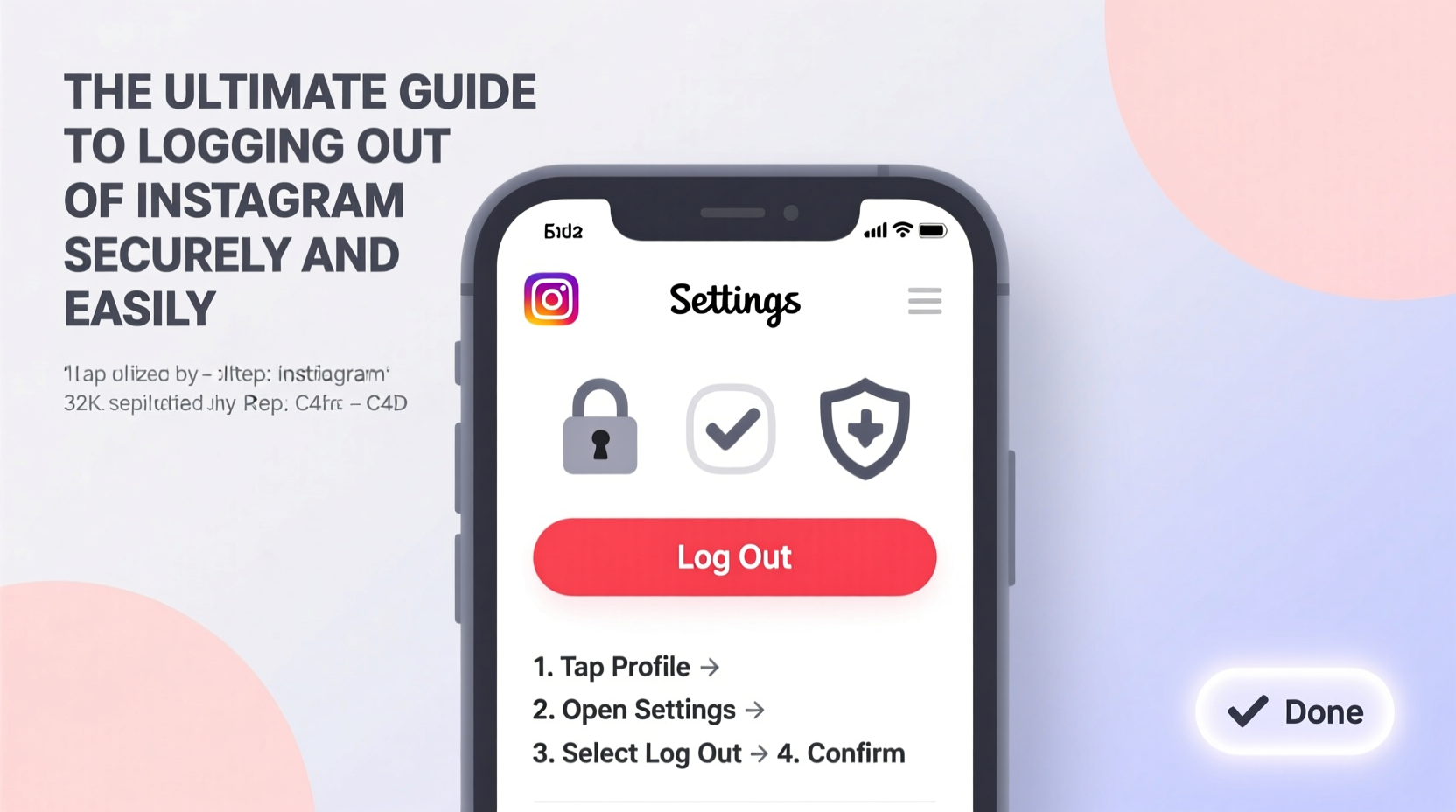
Many users assume that closing the Instagram app or browser tab is enough to end their session. That’s not always true. In most cases, Instagram keeps you logged in by default—even after restarting your device. This convenience comes at a cost: if someone gains physical access to your device, they can open Instagram and immediately view your messages, posts, and personal information.
Security experts emphasize that automatic login features should be balanced with intentional logout routines, especially on shared or unsecured devices.
“Leaving accounts logged in on devices outside your control is one of the top causes of unauthorized access.” — Lena Patel, Cybersecurity Analyst at Digital Shield Labs
Logging out isn’t just about privacy—it's part of responsible digital citizenship. It reduces the risk of impersonation, data harvesting, and social engineering attacks that often begin with access to seemingly harmless apps like Instagram.
Step-by-Step: How to Log Out of Instagram on Any Device
The process varies slightly depending on whether you're using the mobile app (iOS or Android) or accessing Instagram via a web browser. Below are detailed instructions for each scenario.
On iPhone or Android (Mobile App)
- Open the Instagram app and go to your profile by tapping the icon in the bottom-right corner.
- Tap the menu icon (three horizontal lines) in the top-right corner.
- Select “Settings and privacy” from the dropdown menu.
- Scroll down and tap “Accounts center” (or “Login and security” in older versions).
- Navigate to “Meta Accounts Center” > “Accounts” > “Facebook and Instagram”.
- Tap “Log out” under your Instagram account.
- Confirm when prompted.
On Desktop (Web Browser)
- Go to instagram.com and log in if needed.
- Click your profile picture in the top-right corner.
- From the dropdown menu, select “Log out.”
- Confirm the action if prompted.
Note: On desktop, Instagram may remember your username unless you manually delete cookies or use private browsing mode. For maximum security, clear site data after logging out.
When You Should Always Log Out
Certain situations demand immediate logout as a standard practice. Ignoring these moments increases exposure to account compromise.
- Using public or shared devices: Libraries, internet cafes, school computers, or friends’ phones should never retain your login.
- Lending your own device: Even trusted individuals shouldn’t have unrestricted access to your social media.
- After suspicious activity: If you notice unfamiliar logins, change your password and log out of all sessions immediately.
- Traveling or using public Wi-Fi: Unsecured networks increase interception risks. Logging out minimizes potential damage.
Real Example: A Close Call at a Coffee Shop
Sophie, a freelance designer, regularly worked from local cafés. One afternoon, she stepped away to order a refill, leaving her laptop open with Instagram still active. When she returned, she noticed someone had scrolled through her direct messages and liked an old post. Though no major breach occurred, the incident shook her confidence. She now uses incognito mode on public networks and logs out of all social apps before stepping away—even briefly.
Her story illustrates how minor lapses can lead to uncomfortable invasions of privacy. A two-second logout could have prevented the entire situation.
Advanced Security: Managing Active Sessions & Remote Logout
Even if you’ve logged out locally, Instagram might keep your account active on other devices. To fully secure your profile, review and manage active sessions directly from your account settings.
How to Log Out of All Devices Remotely
- Open Instagram and go to your profile.
- Tap the menu icon (three lines), then “Settings and privacy.”
- Go to “Security” > “Login activity.”
- You’ll see a list of devices where you’re currently logged in, including location and last active time.
- Tap any suspicious or outdated session and select “Log out.”
- To log out everywhere except your current device, choose “Log out of all sessions” at the bottom.
This feature is invaluable if you’ve lost a phone, forgotten to log out somewhere, or suspect unauthorized access.
| Action | Where Available | Effect |
|---|---|---|
| Log out (current device) | App & Web | Ends session only on this device |
| Log out of specific session | App (Security section) | Terminates access on selected device |
| Log out of all devices | App (Login activity) | Forces re-login on every device except current one |
| Clear browser cache | Desktop browsers | Removes saved credentials and cookies |
Common Mistakes That Undermine Your Logout Efforts
Even tech-savvy users make errors that leave their accounts vulnerable. Avoid these pitfalls:
- Mistaking app closure for logout: Closing the app doesn’t end your session. The next person who opens it can access your account instantly.
- Ignoring browser auto-fill: Saved passwords in browsers can allow quick re-login. Disable auto-save on shared machines.
- Skipping session reviews: Not checking login activity means lingering access on forgotten devices.
- Using “switch accounts” instead of logging out: This keeps all linked accounts active and accessible with one tap.
FAQ: Frequently Asked Questions
Will logging out delete my Instagram data?
No. Logging out only ends your current session. All photos, messages, and profile information remain intact. You’ll regain full access when you log back in.
Can I stay logged in safely on my personal phone?
Yes—if your device is secured with a strong passcode, biometric authentication (Face ID or fingerprint), and up-to-date software. However, consider enabling two-factor authentication for added protection.
What if I can’t find the log out option?
Update the Instagram app first. Outdated versions may lack newer menu layouts. If the issue persists, try uninstalling and reinstalling the app, or log out via desktop where the option is more consistently visible.
Final Checklist: Secure Logout Routine
- Open Instagram and navigate to Settings > Security > Login Activity.
- Review active sessions and log out of unrecognized devices.
- Return to main settings and select “Log out” from the bottom of the menu.
- On desktop, clear cookies or use private browsing mode.
- Verify logout by reopening the app or website—you should see the login screen.
- Enable two-factor authentication to add another layer of protection.
Stay in Control of Your Digital Presence
Logging out of Instagram isn’t just a technical step—it’s a mindset. It reflects awareness, responsibility, and respect for your own privacy. In an age where data breaches and identity theft are increasingly common, small habits like logging out can prevent big problems.
Take a moment today to review your active sessions, update your app, and practice a full logout. Encourage friends and family to do the same. Digital safety starts with simple actions performed consistently.




 浙公网安备
33010002000092号
浙公网安备
33010002000092号 浙B2-20120091-4
Comments
No comments yet. Why don't you start the discussion?