
Wicker bucket bags have emerged as timeless fashion staples—lightweight, breathable, and effortlessly chic. Crafted from natural fibers like rattan, seagrass, or water hyacinth, these bags offer a unique blend of durability and elegance. However, their organic composition makes them susceptible to warping, drying, and discoloration without proper care. Unlike synthetic materials, wicker responds directly to its environment. Humidity, sunlight, and improper handling can compromise both structure and appearance within months. To ensure your favorite accessory remains in pristine condition for seasons to come, a dedicated maintenance routine is essential.
Understanding Wicker: Why Care Matters
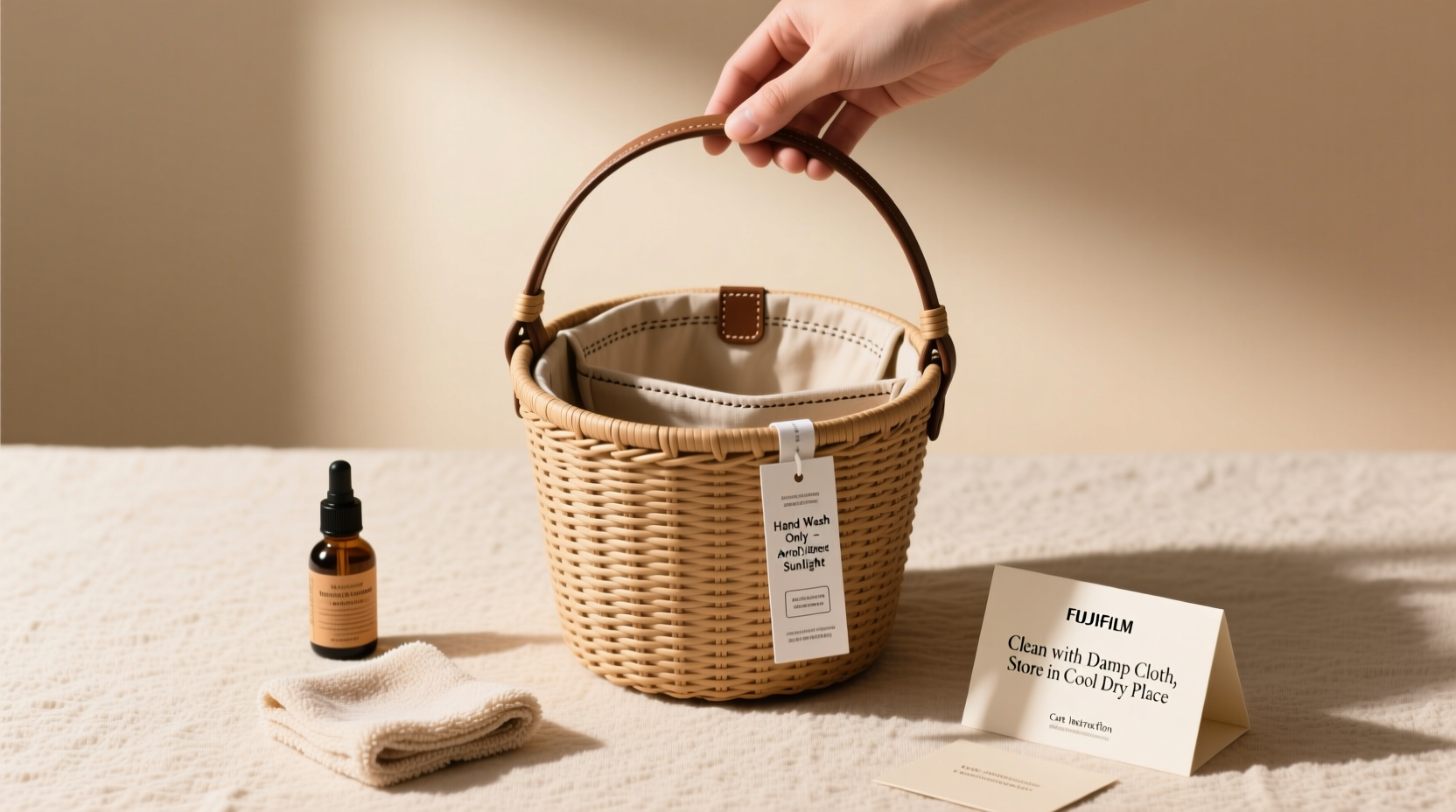
Wicker is not a material but a weaving technique applied to plant-based fibers. Most modern bucket bags use tightly woven rattan or reed due to their flexibility and strength. These natural elements expand and contract with changes in temperature and moisture. When exposed to excessive dryness, fibers become brittle; too much humidity leads to mold and sagging. The open weave that gives wicker its airy appeal also allows dust and debris to settle deep into crevices, accelerating wear if neglected.
The shape of a bucket bag relies heavily on structural integrity. Without internal lining or rigid frames in many designs, the form depends entirely on the tightness of the weave and consistent support during storage. Over time, misshaping occurs when the bag is stuffed loosely, stored flat, or left under pressure. Preserving its silhouette requires proactive habits—not just reactive fixes.
“Natural fiber bags are like living materials—they breathe, age, and respond to care. Treat them gently, and they’ll reward you with years of style.” — Lena Moreau, Sustainable Accessories Curator at EcoChic Studio
Step-by-Step Cleaning Routine for Long-Term Freshness
Cleaning should be approached with caution. Harsh chemicals or soaking can weaken fibers and cause irreversible damage. Instead, adopt a gentle, regular regimen that prevents buildup before it becomes problematic.
- Dry Dusting (Weekly): Use a soft-bristle brush or microfiber cloth to remove surface dust. Gently sweep along the weave pattern to avoid snagging.
- Spot Cleaning (Monthly): For stains or spills, dampen a corner of a clean cloth with distilled water and mild castile soap. Dab—never rub—the affected area. Allow to air dry completely away from direct heat.
- Deep Cleaning (Every 4–6 Months): Mix one part white vinegar with three parts water. Lightly mist a cloth (not the bag) and wipe down sections slowly. Vinegar helps neutralize odors and inhibit mold growth. Follow immediately with a water-dampened cloth to rinse residue, then dry upright in a shaded, ventilated space.
- Odor Control: Place crumpled newspaper or activated charcoal inside the bag overnight to absorb moisture and smells.
Proper Storage Techniques to Maintain Shape
How you store your wicker bucket bag between uses is just as important as how you clean it. Misshapen bags often result from poor storage practices rather than daily wear.
- Always store upright, never folded or crushed.
- Stuff the interior with acid-free tissue paper or clean cotton cloths to support the sides and base.
- Keep in a breathable cotton dust bag—never plastic, which traps moisture and promotes mildew.
- Avoid attics, basements, or garages where temperature and humidity fluctuate.
- Ideal conditions: room temperature (65–75°F), low humidity (below 60%), and indirect light.
| Storage Method | Benefits | Risks |
|---|---|---|
| Cotton dust bag + tissue stuffing | Preserves shape, allows airflow, blocks dust | None if maintained regularly |
| Plastic bin or cover | Protects from pests | Traps moisture, encourages mold |
| Hanging by strap | Saves space | Stretches opening, distorts circular shape |
| Flat stacking under other items | Compact | Crushing weakens weave, causes permanent dents |
Common Mistakes That Shorten Bag Lifespan
Even well-intentioned owners unknowingly harm their wicker bags. Awareness of everyday pitfalls can prevent premature deterioration.
- Overloading: Wicker lacks internal reinforcement. Carrying heavy books, electronics, or groceries strains the weave and pulls the handles loose over time.
- Sun Exposure: UV rays fade color and dry out fibers, making them prone to cracking. Avoid leaving the bag on beach loungers or car seats in direct sunlight.
- Using Synthetic Sprays: Waterproofing sprays marketed for fabric can leave sticky residues or darken wicker unevenly. Stick to natural conditioning methods.
- Neglecting Seasonal Rotation: Using a wicker bag year-round exposes it to rain, snow, and indoor heating. Reserve it for dry, warm months and rotate with more durable options in winter.
Real-Life Example: Reviving a Warped Heirloom Bag
Sophie, a vintage accessories collector in Portland, inherited her grandmother’s 1970s wicker bucket bag. Stored in a cedar chest for decades, it had lost its round shape and developed musty odor. Rather than discard it, she followed a careful restoration process:
First, she removed old lining and cleaned each panel with a vinegar-water solution. After thorough drying, she lightly misted the exterior with distilled water to reintroduce moisture and increase pliability. She then reshaped the bag using a rounded ceramic bowl as a mold, securing it with soft twine and letting it set for 48 hours in a dry room. Finally, she conditioned the fibers with a mix of beeswax and jojoba oil (1:4 ratio), buffed gently with a lint-free cloth. The result was a fully revived bag that retained its vintage charm while regaining structural integrity.
This case illustrates that even severely compromised wicker can be restored with patience and correct technique.
Maintenance Checklist for Year-Round Care
Stay on track with this simple monthly checklist:
- ☑ Dust exterior and interior thoroughly
- ☑ Inspect for loose weaves or fraying straps
- ☑ Check for musty smells; refresh with charcoal or baking soda
- ☑ Rotate out of regular use every 3 months
- ☑ Re-stuff with fresh tissue paper after cleaning
- ☑ Store in breathable bag in climate-controlled space
- ☑ Apply natural conditioner (beeswax or linseed oil) twice yearly
Frequently Asked Questions
Can I repair a cracked wicker section myself?
Minor cracks can be stabilized using wood glue applied sparingly with a toothpick. Clamp gently and let dry 24 hours. For structural breaks or broken strands, consult a basket weaver or artisan restorer for invisible repairs.
Is it safe to use my wicker bag in light rain?
No. Even brief exposure to moisture can cause swelling and warping. If caught in a drizzle, blot immediately with a dry towel and allow full air drying for at least 24 hours before storing.
How do I prevent color fading?
Limit sun exposure and store away from windows. Some natural dyes will fade over time—that’s part of wicker’s character. To slow the process, apply a thin coat of clear, non-yellowing sealant made for natural fibers once a year.
Final Thoughts: Elevate Your Accessory Care
A wicker bucket bag is more than a trend—it’s a handcrafted piece that bridges fashion and function. Its longevity hinges not on luck, but on deliberate, informed care. By integrating regular cleaning, mindful storage, and seasonal attention, you protect both the aesthetic and structural qualities that make your bag special. These practices don’t demand extra time, only consistency. Treat your wicker with the respect its craftsmanship deserves, and it will remain a signature piece in your wardrobe for years.




 浙公网安备
33010002000092号
浙公网安备
33010002000092号 浙B2-20120091-4
Comments
No comments yet. Why don't you start the discussion?