
Green enchilada sauce is the soul of many beloved Mexican dishes—tangy, bright, and deeply flavorful. While store-bought versions are convenient, they often fall short in freshness and complexity. Making your own sauce from scratch transforms ordinary enchiladas into a vibrant, restaurant-quality meal. This guide walks you through every step, from selecting the best chiles to balancing flavors like a seasoned cook. With just a few simple ingredients and a little patience, you’ll create a sauce that’s rich, aromatic, and unmistakably authentic.
The Foundation: Understanding Green Enchilada Sauce
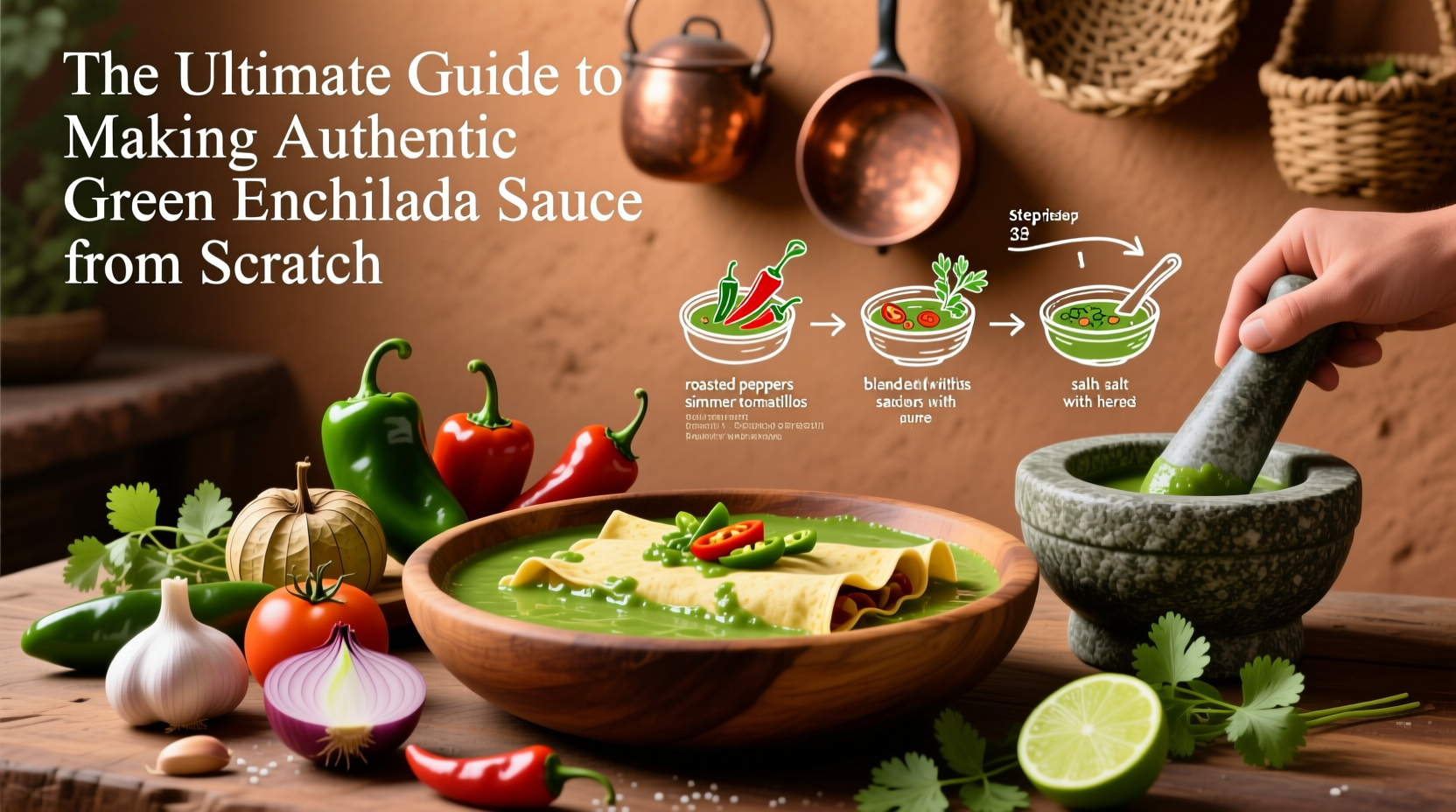
Authentic green enchilada sauce, or *salsa verde para enchiladas*, is traditionally made from roasted or boiled tomatillos, fresh green chiles, garlic, onions, and cilantro. Unlike red sauces that rely on dried chiles and tomatoes, green sauce celebrates the tartness of tomatillos and the vegetal heat of fresh peppers. The result is a smooth, tangy base that clings perfectly to tortillas and complements fillings like shredded chicken, cheese, or potatoes.
What sets homemade sauce apart is control. You decide the heat level, adjust acidity, and avoid preservatives or artificial flavors. More importantly, cooking the sauce yourself unlocks layers of flavor that jarred versions simply can’t replicate.
“Freshly made green enchilada sauce is the difference between a good enchilada and a great one. It’s alive with brightness and depth.” — Carlos Méndez, Chef at La Cocina Tradicional, Oaxaca
Essential Ingredients and Their Roles
Every ingredient in green enchilada sauce plays a crucial role. Substitutions can work, but understanding each component ensures better results.
| Ingredient | Purpose | Best Varieties |
|---|---|---|
| Tomatillos | Base acidity and body; provide tart, citrusy backbone | Firm, bright green, tightly husked |
| Green Chiles | Heat and earthy flavor | Serrano (spicy), Jalapeño (mild), Poblano (smoky) |
| White Onion | Brightness and aromatic depth | Medium-sized, firm bulbs |
| Garlic | Umami and pungency | Fresh cloves, not pre-minced |
| Cilantro | Herbal freshness and authenticity | Leaves and tender stems only |
| Vegetable or Chicken Broth | Adjust consistency and enhance savoriness | Low-sodium preferred |
Step-by-Step Guide to Making the Sauce
Follow this detailed process to make a balanced, flavorful sauce that elevates any dish.
- Prep the tomatillos: Remove husks and rinse thoroughly under cold water to remove sticky residue. Cut larger ones in half.
- Char the vegetables: Heat a comal, cast-iron skillet, or grill over medium-high flame. Place tomatillos, chiles, onion slices, and unpeeled garlic cloves on the surface. Cook, turning occasionally, until blistered and partially blackened—about 6–8 minutes for tomatillos, 4–5 for chiles.
- Steam for easier peeling (optional): After roasting, place chiles in a bowl and cover with a plate for 10 minutes. This loosens skins for milder heat.
- Blend ingredients: Transfer charred vegetables to a blender. Add cilantro, ½ teaspoon salt, and ½ cup broth. Blend until completely smooth, about 1–2 minutes.
- Simmer the sauce: Pour mixture into a saucepan. Bring to a gentle simmer over medium heat. Cook uncovered for 15–20 minutes, stirring occasionally, to meld flavors and thicken slightly.
- Season and adjust: Taste and add more salt, a splash of lime juice for brightness, or a pinch of sugar if too tart. For thinner sauce, add broth ¼ cup at a time.
Storage and Shelf Life
Let the sauce cool completely before transferring to an airtight container. It will keep:
- In the refrigerator: Up to 1 week
- In the freezer: Up to 6 months (freeze in 1-cup portions for easy use)
Common Mistakes and How to Avoid Them
Even experienced cooks can misstep when making green enchilada sauce. Here’s what to watch out for:
| Mistake | Consequence | Solution |
|---|---|---|
| Undercooking the tomatillos | Grassy, raw taste | Roast until soft and darkened |
| Over-blending with seeds | Excessive heat from chile seeds | Remove seeds if sensitive to spice |
| Skipping the simmer | Flavors remain disjointed | Simmer at least 15 minutes |
| Using old or dry tomatillos | Lack of tartness and poor texture | Select firm, green fruit with intact husks |
Real-World Example: Maria’s Family Enchiladas
Maria González, a home cook from Guadalajara, prepares green enchiladas every Sunday for her extended family. She insists on roasting all ingredients over an open flame on her stovetop. “My grandmother taught me that the char adds soul to the sauce,” she says. “I use serranos for heat, but I always remove the seeds so the children can enjoy it too.”
She simmers the blended sauce for a full 20 minutes, then stirs in a handful of chopped epazote—a traditional herb that cuts richness. Her enchiladas, filled with Oaxaca cheese and topped with crema and radish slices, are legendary among relatives. “When I switched from canned to homemade sauce, people noticed immediately,” she recalls. “It’s worth the extra 30 minutes.”
Customizing Your Sauce: Variations and Uses
Once you’ve mastered the classic version, experiment with variations:
- Smoky Chipotle Version: Replace one jalapeño with one canned chipotle in adobo for a deep, smoky kick.
- Creamy Avocado Verde: Blend in half a ripe avocado after cooking for a silky, rich texture.
- Herb-Forward: Add a small bunch of cooked spinach or purslane (quelites) for earthy notes.
Beyond enchiladas, this sauce shines as:
- A marinade for chicken or fish
- A base for huevos rancheros
- A dip for roasted potatoes or quesadillas
- A soup starter (add broth and shredded chicken for instant pozole verde)
Frequently Asked Questions
Can I make green enchilada sauce without tomatillos?
While possible using green tomatoes, the flavor will be less authentic. Tomatillos offer a unique tartness essential to the sauce’s character. If unavailable, look for them in Latin markets or well-stocked supermarkets—often near avocados.
Why is my sauce too thin?
The sauce thickens slightly upon cooling. If still too runny after refrigeration, return it to the stove and simmer longer to reduce. Avoid adding flour or cornstarch—they dull the fresh flavor.
Can I can this sauce for long-term storage?
Yes, but only using tested pressure-canning methods due to low acidity. For safety, freezing is recommended over water-bath canning unless following USDA-approved recipes.
Final Checklist Before You Begin
- Inspect tomatillos for firmness and fresh husks
- Choose chiles based on desired heat level
- Gather a blender, skillet, and saucepan
- Have broth ready to adjust consistency
- Set aside 30 minutes for prep and cooking
Bring Authentic Flavor to Your Kitchen
There’s no substitute for the bright, complex taste of homemade green enchilada sauce. Once you experience the depth that roasting and slow simmering bring, you may never reach for a jar again. This sauce isn’t just a condiment—it’s a celebration of tradition, seasonality, and hands-on cooking. Whether you’re feeding a family or meal-prepping for the week, a batch of fresh salsa verde is a versatile, rewarding foundation.




 浙公网安备
33010002000092号
浙公网安备
33010002000092号 浙B2-20120091-4
Comments
No comments yet. Why don't you start the discussion?