
There’s a quiet satisfaction in shaping your own sausage patties by hand—knowing every ingredient, controlling the fat ratio, and crafting a flavor profile that suits your palate. Store-bought patties often contain fillers, excess sodium, and preservatives, while homemade versions deliver richer taste, better texture, and complete ingredient transparency. Whether you're cooking breakfast for family or preparing savory sliders for guests, mastering the craft of sausage patty creation elevates everyday meals into something memorable.
Selecting the Right Meat and Fat Ratio
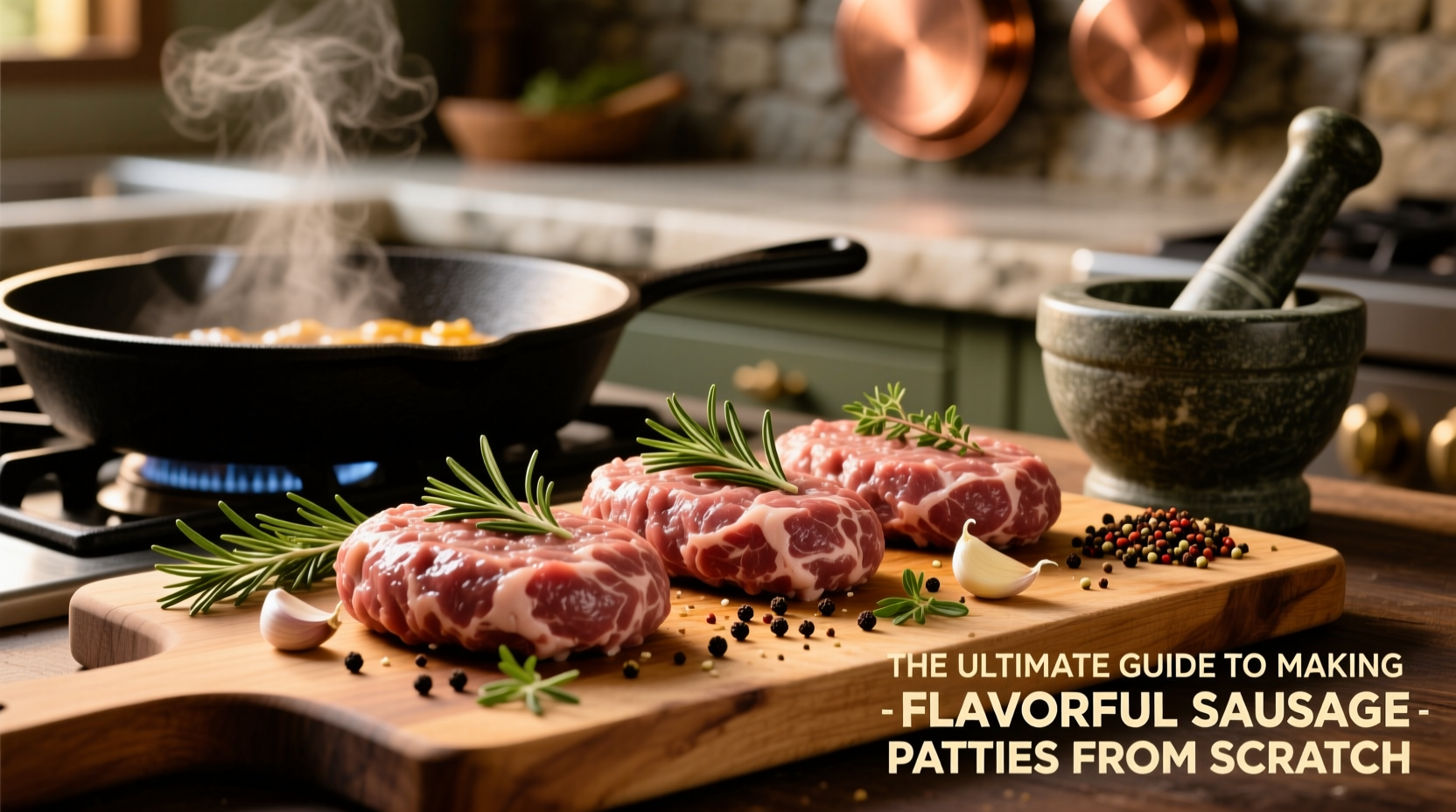
The foundation of any great sausage patty lies in the meat selection. While pork is traditional due to its rich flavor and ideal fat content, blends of pork with beef, veal, or even poultry can yield excellent results depending on your taste preferences.
Fat is not an enemy—it's essential. It carries flavor, ensures juiciness, and prevents dryness during cooking. The ideal fat-to-lean ratio for most sausage patties ranges between 70% lean meat and 30% fat (70/30). For milder meats like chicken or turkey, consider increasing fat content slightly through added pork fat or skin.
If grinding your own meat, partially freeze it for 30 minutes before processing. This helps maintain texture and prevents smearing during grinding. Use a coarse grind plate (¼ inch) for a rustic, hearty bite.
Seasoning for Depth and Balance
Seasoning transforms raw meat into something extraordinary. A well-balanced blend enhances without overpowering. Start with salt—essential for both flavor and protein extraction, which contributes to binding and texture. Use about 1.5–2% salt by weight of the meat (roughly 1 teaspoon per pound).
Beyond salt, build layers of flavor using dried herbs, spices, and aromatics. Classic breakfast sausage profiles rely on sage, thyme, black pepper, nutmeg, and a touch of red pepper flakes. For Italian-style patties, swap in fennel seeds, garlic powder, oregano, and crushed red pepper.
“Seasoning isn’t just about taste—it’s chemistry. Salt helps extract myosin proteins, creating a sticky matrix that binds the patty together.” — Dr. Amy Lin, Food Scientist & Meat Specialist
Mix seasonings thoroughly into the ground meat using your hands or a stand mixer with a paddle attachment. Overmixing leads to toughness, so stop once the mixture feels evenly combined and slightly tacky.
Step-by-Step Guide to Forming and Cooking Sausage Patties
Proper technique ensures consistent shape, even cooking, and optimal texture. Follow this timeline for best results:
- Chill Ingredients: Keep meat, fat, and equipment cold until mixing to prevent premature fat melting.
- Mix Seasonings: Combine dry spices in a small bowl before adding to meat.
- Blend Gently: Mix meat and seasonings for 1–2 minutes until uniform but not overworked.
- Test Fry: Cook a small portion in a skillet to adjust seasoning before forming all patties.
- Form Patties: Divide into equal portions (typically 2–4 oz), roll into balls, then flatten to ½-inch thickness.
- Refrigerate: Chill formed patties for 30 minutes to firm up and hold shape during cooking.
- Cook Slowly: Use medium-low heat in a nonstick or cast-iron skillet. Avoid high heat, which causes bursting and uneven browning.
- Rest Before Serving: Let patties rest 2–3 minutes after cooking to redistribute juices.
Flavor Variations and Creative Twists
Once you’ve mastered the basics, experiment with global flavors and textures. Here are three tested variations:
- Maple-Sage Breakfast Patty: Add 1 tablespoon pure maple syrup and 1 tsp rubbed sage per pound of pork.
- Spicy Chorizo-Style: Incorporate smoked paprika, cayenne, garlic, and a splash of vinegar for tang.
- Mediterranean Lamb Patty: Use ground lamb with rosemary, lemon zest, cumin, and chopped sun-dried tomatoes.
For added moisture and texture, consider incorporating binders like grated onion, breadcrumbs, or soaked oats—especially useful when working with leaner meats. Just remember: wet ingredients should be squeezed dry to avoid loosening the mixture.
Common Mistakes and How to Avoid Them
Even experienced cooks make errors that compromise texture and flavor. Below is a summary of key pitfalls and solutions:
| Don’t | Why It’s a Problem | Do Instead |
|---|---|---|
| Overmix the meat | Causes dense, tough patties | Mix just until combined; use cold hands |
| Cook over high heat | Exterior burns before interior cooks | Use medium-low heat; cook 3–4 minutes per side |
| Skip the chill step | Patties fall apart easily | Refrigerate for 30 minutes before cooking |
| Press down while cooking | Forces out juices, leading to dryness | Flip only once; never smash |
Storage, Freezing, and Reheating Tips
Homemade sausage patties lend themselves well to batch preparation. To store:
- Refrigeration: Keep uncooked patties in an airtight container for up to 2 days.
- Freezing: Place formed patties on a parchment-lined tray, freeze until solid (about 2 hours), then transfer to a freezer bag with parchment between layers. They’ll last up to 3 months.
- Reheating: Warm frozen patties in a 325°F oven for 15–20 minutes or in a skillet over low heat with a splash of water to retain moisture.
Mini Case Study: From Bland to Brilliant
Jamie, a home cook in Vermont, initially struggled with dry, flavorless sausage patties made from store-ground pork loin. After switching to pork shoulder and adjusting her seasoning based on a blind taste test with family, she introduced fresh garlic and toasted fennel seeds. She also began chilling the patties before cooking. The result? A breakfast staple so popular her neighbors started requesting batches for weekend brunches. Her secret: “I stopped rushing the process. Cold meat, balanced seasoning, and patience made all the difference.”
FAQ
Can I make sausage patties without a grinder?
Absolutely. Purchase freshly ground pork or ask your butcher to grind it to order. If using pre-ground meat, ensure it’s not overly lean and handle it minimally to preserve texture.
How do I know when sausage patties are fully cooked?
Use a meat thermometer. Insert it into the thickest part—the internal temperature should reach 160°F (71°C) for pork or beef, 165°F (74°C) for poultry.
Can I bake sausage patties instead of pan-frying?
Yes. Bake at 375°F on a parchment-lined sheet for 18–22 minutes, flipping halfway through. Baking yields slightly drier results but is ideal for cooking large batches evenly.
Checklist: Building Perfect Sausage Patties
- Choose meat with 20–30% fat content
- Keep all ingredients cold
- Season with salt, herbs, and spices (test fry first)
- Mix gently until just combined
- Form uniform patties with a slight dimple in center
- Chill for 30 minutes before cooking
- Cook over medium-low heat without pressing
- Rest 2–3 minutes before serving
- Store properly for future use
Craft Your Own Tradition
There’s deep value in returning to fundamental food crafts—making sausage patties from scratch reconnects us with ingredients, seasons, and the simple joy of feeding others well. With attention to balance, temperature, and timing, you’re not just cooking; you’re curating flavor. Try one variation this weekend, refine it next time, and soon you’ll have a signature recipe worth passing down. The kitchen awaits—grab your skillet and start shaping something delicious.




 浙公网安备
33010002000092号
浙公网安备
33010002000092号 浙B2-20120091-4
Comments
No comments yet. Why don't you start the discussion?