
Steak pie is a timeless classic—rich, hearty, and deeply satisfying. When wrapped in a golden, flaky puff pastry crust, it transforms into a centerpiece worthy of any dinner table. Yet achieving that perfect balance of crisp exterior and tender, flavorful filling can be elusive. Many home cooks struggle with soggy bottoms, tough meat, or bland seasoning. The key lies not just in technique, but in understanding how each element contributes to the final dish.
This guide breaks down every stage of crafting an exceptional steak pie, from selecting the right cut of beef to mastering the puff pastry for maximum lift and texture. Whether you're preparing a family meal or impressing guests, these insights ensure consistent, delicious results.
Choosing the Right Cut for Maximum Flavor
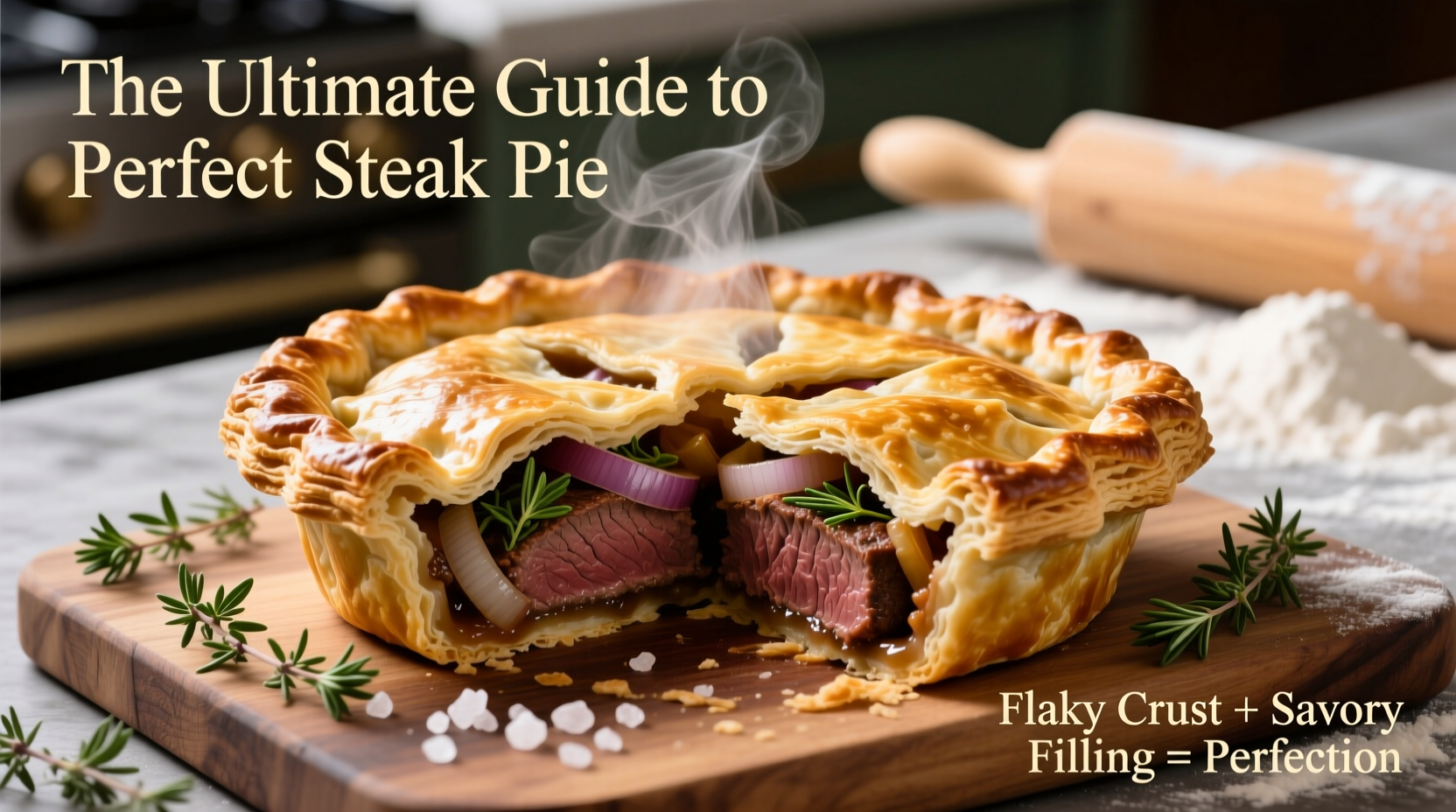
The foundation of a great steak pie is the meat. Unlike pan-seared steaks, which benefit from tenderness and marbling, pie fillings require cuts that break down slowly into succulent, gelatin-rich fibers during long cooking. Opt for well-exercised muscles rich in connective tissue.
- Chuck roast: Marbled with fat and collagen, chuck becomes meltingly tender when braised.
- Brisket: Deeply flavorful, though slightly fattier—ideal if trimmed properly.
- Shin (or osso buco): Contains marrow and connective tissue that enriches the gravy naturally.
Avoid lean cuts like sirloin or fillet—they dry out during prolonged cooking and lack depth of flavor. Trim excess fat, but leave some for richness. Cut the meat into even 1-inch cubes to ensure uniform cooking.
Building a Savory, Rich Filling
The filling should be deeply savory, thick enough to hold its shape when sliced, yet moist and aromatic. Rushing this process leads to flat flavors and watery consistency. Patience is essential.
- Sear the meat in batches over high heat to develop fond—the browned bits stuck to the pan that carry immense flavor.
- Remove meat and sauté onions, carrots, and celery until soft and caramelized, scraping up the fond.
- Add garlic and tomato paste, cooking for 1–2 minutes to deepen the base flavor.
- Deglaze with red wine—a full-bodied Cabernet or Shiraz works best—scraping all residue from the pan.
- Pour in beef stock (preferably homemade or low-sodium), return the meat, and add fresh thyme and bay leaves.
- Braise covered in the oven at 325°F (160°C) for 2–3 hours until fork-tender.
Once cooked, chill the filling overnight. This allows flavors to meld and fat to solidify on top for easy removal. It also prevents the puff pastry from becoming soggy during baking.
| Ingredient | Role in Filling | Recommended Quantity (per 2 lbs beef) |
|---|---|---|
| Red wine | Acidity & depth | 1 cup |
| Beef stock | Moisture & umami | 2 cups |
| Tomato paste | Richness & color | 2 tbsp |
| Puff pastry | Crust structure | 1 sheet (for top only) |
| Cold butter (for finishing) | Thickening & gloss | 2 tbsp, cubed |
“The secret to a great pie isn’t just the meat—it’s how you build layers of flavor. Searing, deglazing, and slow braising are non-negotiables.” — Chef Marcus Hale, Executive Pastry & Savory Instructor, London Culinary Academy
Perfect Puff Pastry: Techniques for Flakiness
Puff pastry elevates steak pie from humble casserole to gourmet dish. Its delicate layers should rise dramatically, forming a crisp, buttery crown that shatters with each bite. Store-bought is acceptable, but handling it correctly is crucial.
Dos and Don'ts of Working with Puff Pastry
| Do | Don’t |
|---|---|
| Thaw frozen pastry in the fridge overnight | Thaw at room temperature—causes uneven moisture |
| Chill the filled pie for 20 minutes before baking | Bake immediately after assembly—leads to slumping |
| Egg wash the surface for shine and browning | Use milk instead—less effective for color development |
| Cut steam vents in the top | Seal edges airtight without vents—causes bursting |
Roll the pastry slightly larger than your pie dish to allow for tucking or decorative crimping. Brush the rim of the dish with water or egg wash to help seal the edges. For extra height, double-layer the pastry by stacking two sheets—just ensure both are fully thawed and chilled.
Step-by-Step Assembly and Baking Timeline
Timing matters. A well-structured schedule ensures components are ready when needed and the final bake yields optimal texture.
- Day 1 (Evening): Brown meat, build filling, braise for 2.5 hours. Cool and refrigerate overnight.
- Day 2 (Morning): Skim solidified fat from the chilled filling. Reheat gently and transfer to a deep pie dish (9-inch preferred).
- 30 Minutes Before Baking: Preheat oven to 400°F (200°C). Unwrap puff pastry, roll if necessary, and drape over the pie.
- Trim and Seal: Trim excess, crimp edges with a fork or fingers. Cut 3–4 diagonal slits for steam release.
- Egg Wash: Beat 1 egg with 1 tsp water; brush evenly over the surface, avoiding edges to prevent sealing failure.
- Bake: Place on a parchment-lined baking sheet. Bake 25–30 minutes until deeply golden and puffed. Rotate halfway for even browning.
- Rest 10 minutes before serving—this stabilizes the filling for clean slicing.
Mini Case Study: From Soggy Disaster to Showstopper
Sarah, a home cook from Manchester, had tried making steak pie three times before succeeding. Her first attempt used raw beef and no pre-cooking, resulting in undercooked meat and a bland, watery interior. The second time, she skipped chilling the filling, causing the pastry to collapse into a greasy mess. On her third try, she followed a proper braise, refrigerated the filling, and used a double-thickness puff pastry with egg wash. The result? A golden, towering crust enclosing a rich, cohesive filling. Her family called it “better than the pub.”
Her breakthrough came not from changing ingredients, but from respecting the process—especially temperature control and timing.
Frequently Asked Questions
Can I make steak pie ahead of time?
Yes. Assemble the pie (without baking) up to 24 hours in advance and refrigerate. Add 5–10 minutes to baking time if going straight from fridge to oven. You can also freeze the unbaked pie for up to 3 months—bake from frozen, adding 15–20 minutes.
Why did my puff pastry sink after baking?
This usually happens when the pastry was too warm before baking or the oven wasn’t hot enough. Chilling the assembled pie and using a fully preheated oven are critical for structural integrity.
Can I use shortcrust pastry instead?
You can, but the experience changes. Shortcrust is sturdier and more traditional for meat pies, but lacks the dramatic flakiness of puff. For a hybrid approach, use shortcrust on the bottom and puff on top.
Final Checklist for Success
- ✔ Use collagen-rich beef (chuck, shin, brisket)
- ✔ Sear meat thoroughly for fond development
- ✔ Braise slowly until fork-tender
- ✔ Chill filling overnight to prevent sogginess
- ✔ Thaw puff pastry in the refrigerator
- ✔ Seal edges well and vent the top
- ✔ Egg wash for color and shine
- ✔ Bake in a fully preheated oven
- ✔ Rest pie 10 minutes before slicing
Mastery Starts on Your Stove
A truly great steak pie isn’t accidental. It’s the result of careful ingredient selection, methodical preparation, and respect for culinary fundamentals. The flaky puff pastry isn’t just decoration—it’s the crowning achievement of controlled technique. When paired with a deeply savory, slow-simmered filling, it becomes more than comfort food. It becomes tradition.
Now that you have the complete roadmap—from searing to resting—there’s nothing stopping you from creating a pie that rivals those of top British gastropubs. Gather your ingredients, set aside the time, and let the aroma of wine-braised beef and golden pastry fill your kitchen.




 浙公网安备
33010002000092号
浙公网安备
33010002000092号 浙B2-20120091-4
Comments
No comments yet. Why don't you start the discussion?