
For many households, pets are family — but their supplies often scatter across floors, under sinks, and in forgotten corners. From food bags and leashes to grooming tools and toys, the accumulation can quickly turn into chaos. A well-organized pet supply system doesn’t just reduce clutter; it saves time, reduces stress, and makes daily care more efficient. This guide walks through practical strategies to streamline your pet’s essentials, turning disorder into order without sacrificing accessibility or style.
Assess Your Pet’s Current Supply Needs
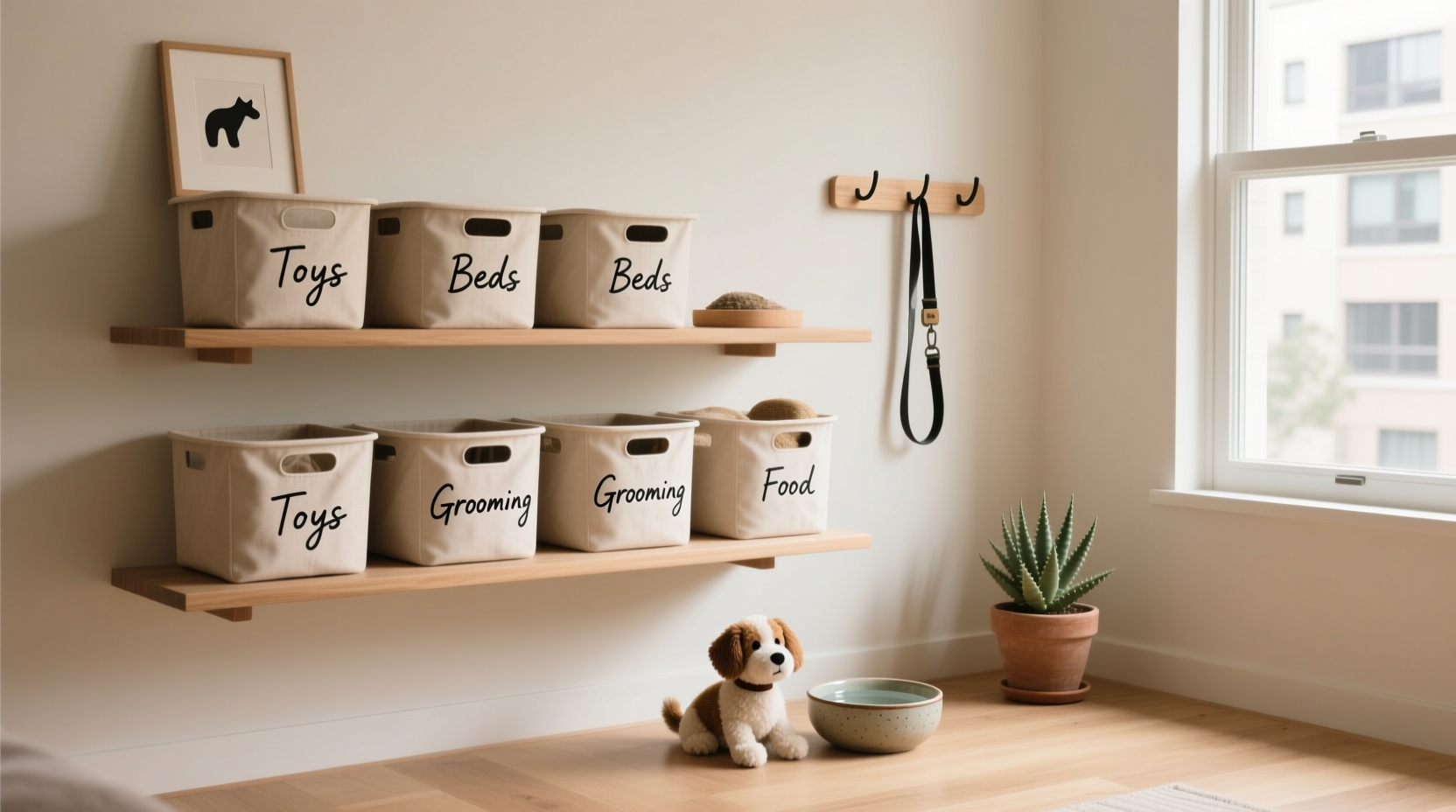
Before implementing any storage solution, take inventory of what you actually use. Many pet owners hold onto expired medications, broken toys, or duplicate items they no longer need. Start with a room-by-room audit: check closets, cabinets, garages, and even car trunks where pet items might be stored haphazardly.
Categorize everything into four groups:
- Essential Daily Use: Food, water bowls, leash, collar, litter scoop
- Weekly/Monthly Use: Grooming tools, waste bags, cleaning sprays
- Occasional: Travel carriers, seasonal gear (e.g., cooling mats), first aid kits
- Unused/Expired: Old medications, chewed-up toys, empty containers
Discard anything expired or damaged. Donate unopened, unused items to shelters if possible. This step alone can eliminate up to 30% of stored clutter.
Create a Centralized Pet Station
One of the most effective ways to reduce clutter is designating a single, functional hub for all pet essentials. Whether you have a corner in the laundry room, a mudroom shelf, or a repurposed cabinet, a centralized station keeps everything accessible and contained.
Key components of an ideal pet station include:
- Dedicated bins for treats, poop bags, and grooming tools
- A labeled food container with a scoop inside
- Hooks for leashes, harnesses, and towels
- Stackable drawers or baskets for smaller items
- Easy-to-clean surfaces (preferably wipeable materials)
If space allows, consider installing a wall-mounted organizer typically used in garages. These units hold brushes, combs, collars, and even small bottles securely and visibly.
“Having a designated pet zone improves routine adherence and reduces last-minute scrambling.” — Dr. Laura Simmons, DVM and Home Organization Consultant
Smart Storage Solutions by Category
Not all pet supplies should be stored the same way. Different materials and usage frequencies require tailored approaches.
| Supply Type | Best Storage Method | Avoid |
|---|---|---|
| Pet Food (Dry) | Airtight, opaque bin with scoop attached | Leaving in original bag on floor |
| Canned Food | Refrigerated in sealed container; unopened cans in wire rack | Piling cans loosely in cupboard |
| Toys | Mesh basket or labeled bin by type (chew, plush, fetch) | Scattered across living areas |
| Grooming Tools | Wall-mounted caddy or drawer divider | Buried in junk drawer |
| Medications & Supplements | Locked box in cool, dry place (not bathroom) | Exposed to humidity or sunlight |
For multi-pet homes, color-code bins or use labels with pet names to prevent mix-ups. Transparent containers help monitor stock levels at a glance.
Step-by-Step: Organizing Your Pet Supplies in One Weekend
You don’t need weeks to transform your pet storage. Follow this realistic two-day plan to create lasting order.
- Saturday Morning – Inventory & Declutter
Remove all pet-related items from storage spots. Sort into categories. Discard expired products and donate usable extras. - Saturday Afternoon – Shop for Organizers
Based on your space and needs, purchase stackable bins, hooks, dispensers, or a rolling cart. Repurpose household items like mason jars for treat storage. - Sunday Morning – Build the Hub
Assemble your central station. Install hooks, label containers, and place high-use items within easy reach. - Sunday Afternoon – Implement Maintenance Rules
Create a quick clean-up routine: “After each walk, hang the leash” or “Refill treat jar weekly.” Write these down and post them near the station.
Real-Life Example: The Johnson Family’s Dog Supply Overhaul
The Johnsons, a family of four with two golden retrievers, used to trip over dog toys in the hallway and store kibble bags behind the kitchen door. Their garage held a dusty crate of unused flea treatments and tangled leashes. After adopting a second dog, the clutter became overwhelming.
They converted a neglected coat closet into a pet command center. Inside, they installed shelves with bins labeled “Daily Walks,” “Bathing Supplies,” and “Emergency Kit.” Leashes hang from hooks, and a pull-out drawer holds waste bags and treats. The kibble is now stored in a large airtight container with a built-in scoop, reducing spills and pests.
Within two weeks, family members reported spending less time searching for supplies and more time enjoying their dogs. Even the kids took responsibility for returning toys to the correct bin after playtime.
Maintain Order with a Simple Routine
Organization only lasts if supported by consistent habits. Incorporate micro-routines into your daily pet care:
- After feeding: Wipe bowls, close food container, return scoop.
- After a walk: Hang leash, wipe muddy paws, dispose of waste bag immediately.
- Weekly: Check expiration dates, refill low supplies, sanitize bins.
Set a monthly reminder to reassess inventory. This prevents overbuying during sales and ensures emergency supplies remain viable.
Frequently Asked Questions
Where should I store pet food to keep it fresh?
Dry food should be kept in a cool, dark place in an airtight container made of food-safe plastic or stainless steel. Avoid storing near heat sources like ovens or in humid areas like under the sink. Canned food should be refrigerated after opening and consumed within 3–5 days.
How do I organize supplies when I live in a small apartment?
Maximize vertical space. Use over-the-door organizers, wall-mounted shelves, or under-bed storage containers. Choose multi-functional furniture — for example, an ottoman with hidden storage for toys and blankets. Keep only what you use regularly; rotate seasonal items as needed.
Can I use regular household organizers for pet supplies?
Absolutely. Kitchen drawer dividers work well for supplements. Bathroom caddies can hold shampoos and wipes. The key is labeling and consistency. Just ensure materials are durable and easy to clean, especially if exposed to moisture or dirt.
Final Thoughts: A Tidy Home Supports a Healthier Pet
Organizing pet supplies isn’t about perfection — it’s about creating systems that support your lifestyle and your pet’s well-being. When everything has a place, care routines become smoother, emergencies are easier to manage, and your home feels more peaceful. Clutter isn’t just visual noise; it adds mental load. By simplifying how you store and access pet essentials, you free up energy for what matters most: quality time with your furry companion.




 浙公网安备
33010002000092号
浙公网安备
33010002000092号 浙B2-20120091-4
Comments
No comments yet. Why don't you start the discussion?