
Roasting carrots transforms them from humble roots into a vibrant, deeply flavorful side dish or even a standout centerpiece on your dinner plate. When done right, roasted carrots develop rich sweetness, a delicate crispness on the edges, and a tender interior that holds its shape without turning mushy. Yet many home cooks end up with underwhelming results—bland, soggy, or unevenly cooked vegetables. The secret lies not in complexity, but in precision: choosing the right carrots, cutting them properly, seasoning thoughtfully, and controlling heat and timing.
This guide breaks down every step of the roasting process, backed by culinary science and tested techniques, so you can consistently produce carrots that are golden-brown, aromatic, and bursting with natural flavor.
Selecting the Best Carrots
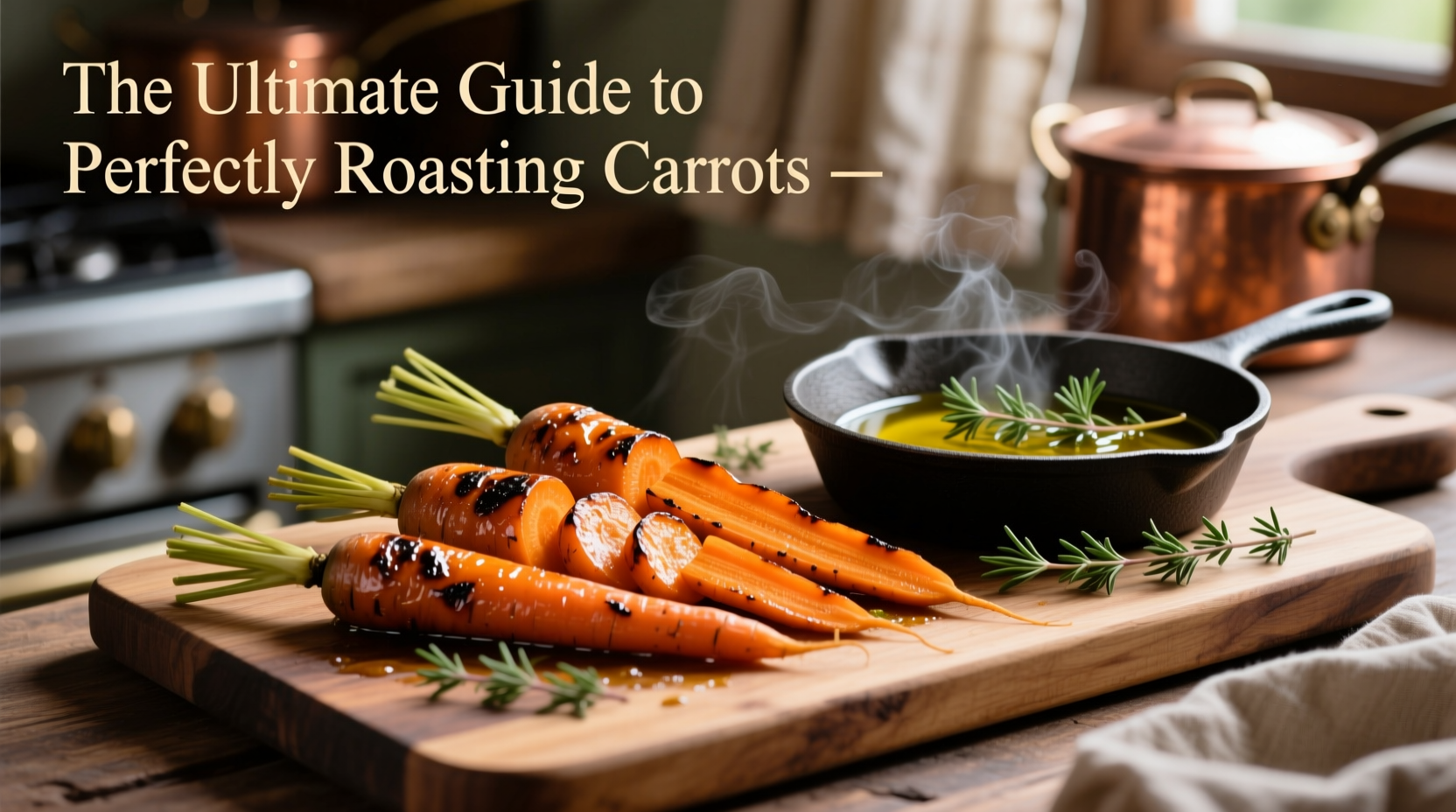
Not all carrots are created equal when it comes to roasting. While grocery stores often stock uniform, machine-peeled orange carrots year-round, seasonal and heirloom varieties offer superior taste and texture.
Look for fresh, firm carrots with bright color and smooth skin. Avoid those that feel rubbery, cracked, or excessively dry at the stem end. Smaller to medium-sized carrots (about ½ inch in diameter) tend to roast more evenly than thick, mature ones, which may have a woody core.
Consider experimenting with rainbow carrots. Purple, yellow, and white varieties not only add visual appeal but also contribute subtle differences in sweetness and earthiness. Purple carrots, for instance, contain anthocyanins that lend a peppery note, balancing the overall flavor profile when roasted.
The Science of Roasting: Why Heat Matters
Roasting is fundamentally about controlled dehydration and caramelization. As carrots heat up, moisture evaporates from the surface, allowing sugars to concentrate and react under high heat—a process known as the Maillard reaction and caramelization.
To maximize these reactions, temperature is critical. Too low (below 375°F), and the carrots steam rather than roast, resulting in limp texture and muted flavor. Too high (above 450°F), and the outsides burn before the insides cook through.
The ideal range is **400–425°F**. At this temperature, the exterior develops a light crust while the interior softens gradually, preserving both structure and sweetness.
“High-heat roasting unlocks the full spectrum of a carrot’s natural sugars. It’s not just cooking—it’s flavor amplification.” — Chef Lena Torres, Culinary Instructor at Pacific Coast Kitchen Lab
Step-by-Step Guide to Perfect Roasted Carrots
- Preheat oven to 425°F. Allow ample time for the oven to reach full temperature—this ensures consistent roasting from the start.
- Wash and peel (optional). Scrub carrots thoroughly. Peeling is optional; young, thin-skinned carrots can be left unpeeled for added texture and nutrients, while older ones benefit from peeling to avoid toughness.
- Cut uniformly. Slice into sticks, coins, or leave whole if small. Aim for pieces no wider than ¾ inch to ensure even cooking.
- Dry well. Pat carrots dry with a towel. Excess moisture inhibits browning.
- Toss with fat and seasoning. Use 1–2 tablespoons of olive oil, avocado oil, or ghee per pound of carrots. Add salt, freshly ground black pepper, and optional aromatics like minced garlic or fresh thyme.
- Spread on a baking sheet. Use a rimmed sheet pan lined with parchment or lightly greased. Arrange in a single layer with space between pieces—crowding causes steaming.
- Raise the rack. Place the pan in the upper third of the oven for better air circulation and more even browning.
- Roast 20–30 minutes, flipping halfway through, until deeply caramelized at the edges and fork-tender.
- Finish with brightness. Off heat, drizzle with lemon juice, balsamic glaze, or a sprinkle of flaky sea salt to elevate flavor.
Flavor Boosters and Creative Variations
While perfectly roasted carrots shine on their own, thoughtful additions can turn them into a signature dish. The key is balance—complementary flavors that enhance, not mask, the vegetable’s natural sweetness.
| Variation | Ingredients | Best Paired With |
|---|---|---|
| Herb & Garlic | Olive oil, rosemary, thyme, garlic cloves | Roast chicken, grilled fish |
| Spiced Honey-Glazed | Honey, cumin, smoked paprika, chili flake | Grain bowls, lamb dishes |
| Lemon-Dill | Lemon zest, juice, dill, olive oil | Mediterranean meals, quinoa salads |
| Balsamic & Shallot | Balsamic vinegar, shallots, brown sugar | Pork chops, holiday mains |
| Umami-Rich | Soy sauce, sesame oil, ginger, scallions | Stir-fries, tofu entrees |
Common Mistakes and How to Avoid Them
- Overcrowding the pan: Leads to steaming instead of roasting. Use two pans if necessary.
- Under-seasoning: Carrots need generous salt to bring out their sweetness. Season in layers—before and after roasting.
- Skipping the flip: Turning halfway ensures even browning on all sides.
- Using cold oil: Let oil come to room temperature before tossing with carrots for even coating.
- Adding wet ingredients too early: Acidic liquids like vinegar or citrus juice should be added at the end to prevent premature breakdown.
Mini Case Study: From Bland to Brilliant
Sarah, a home cook in Portland, had long dismissed roasted carrots as “just another boring side.” She’d followed basic recipes but always ended up with soft, one-dimensional vegetables. After attending a weekend cooking workshop, she learned to cut her carrots uniformly, preheat her pan, and finish with a splash of apple cider vinegar and toasted walnuts.
The result? Her family asked for seconds—and thirds. “I didn’t realize how much technique mattered,” she said. “Now I look forward to making them weekly.”
Frequently Asked Questions
Can I roast carrots ahead of time?
Yes, roast them fully and store in an airtight container in the refrigerator for up to 4 days. Reheat in a 375°F oven for 10–12 minutes to restore crispness. Avoid microwaving, which makes them soggy.
Do I need to parboil carrots before roasting?
Not usually. Parboiling can leach flavor and make edges too soft. However, for very thick carrots, a 3-minute blanch can help speed up roasting and promote even texture.
Are roasted carrots healthy?
Absolutely. Roasting preserves most nutrients, and the natural fiber and beta-carotene in carrots remain intact. Using moderate amounts of healthy fats like olive oil actually enhances the absorption of fat-soluble vitamins.
Checklist for Success
- ☐ Choose fresh, firm, uniformly sized carrots
- ☐ Preheat oven to 425°F
- ☐ Cut carrots into even pieces
- ☐ Dry thoroughly before oiling
- ☐ Toss with quality fat and season generously
- ☐ Spread in a single layer on a preheated or room-temp pan
- ☐ Roast 20–30 minutes, flipping once
- ☐ Finish with acid, herbs, or crunch (e.g., nuts, seeds)
- ☐ Taste and adjust seasoning before serving
Conclusion
Perfectly roasted carrots are not a matter of luck—they’re the result of attention to detail and understanding how heat, moisture, and flavor interact. By selecting quality produce, applying consistent technique, and finishing with intention, you transform a simple root vegetable into a dish that delights the senses.




 浙公网安备
33010002000092号
浙公网安备
33010002000092号 浙B2-20120091-4
Comments
No comments yet. Why don't you start the discussion?