
Every puppy owner knows the joy of watching their furry companion light up at the sound of a squeak. That high-pitched noise triggers instinctual hunting behaviors, making squeaky toys some of the most engaging options available. But not all squeaky toys are created equal. Choosing the right one involves more than just grabbing the cutest plush animal off the shelf. The wrong toy can pose choking hazards, wear out too quickly, or even discourage healthy play. Understanding your puppy’s size, chewing habits, energy level, and developmental stage is key to selecting a toy that’s both fun and safe.
Understand Your Puppy’s Play Style
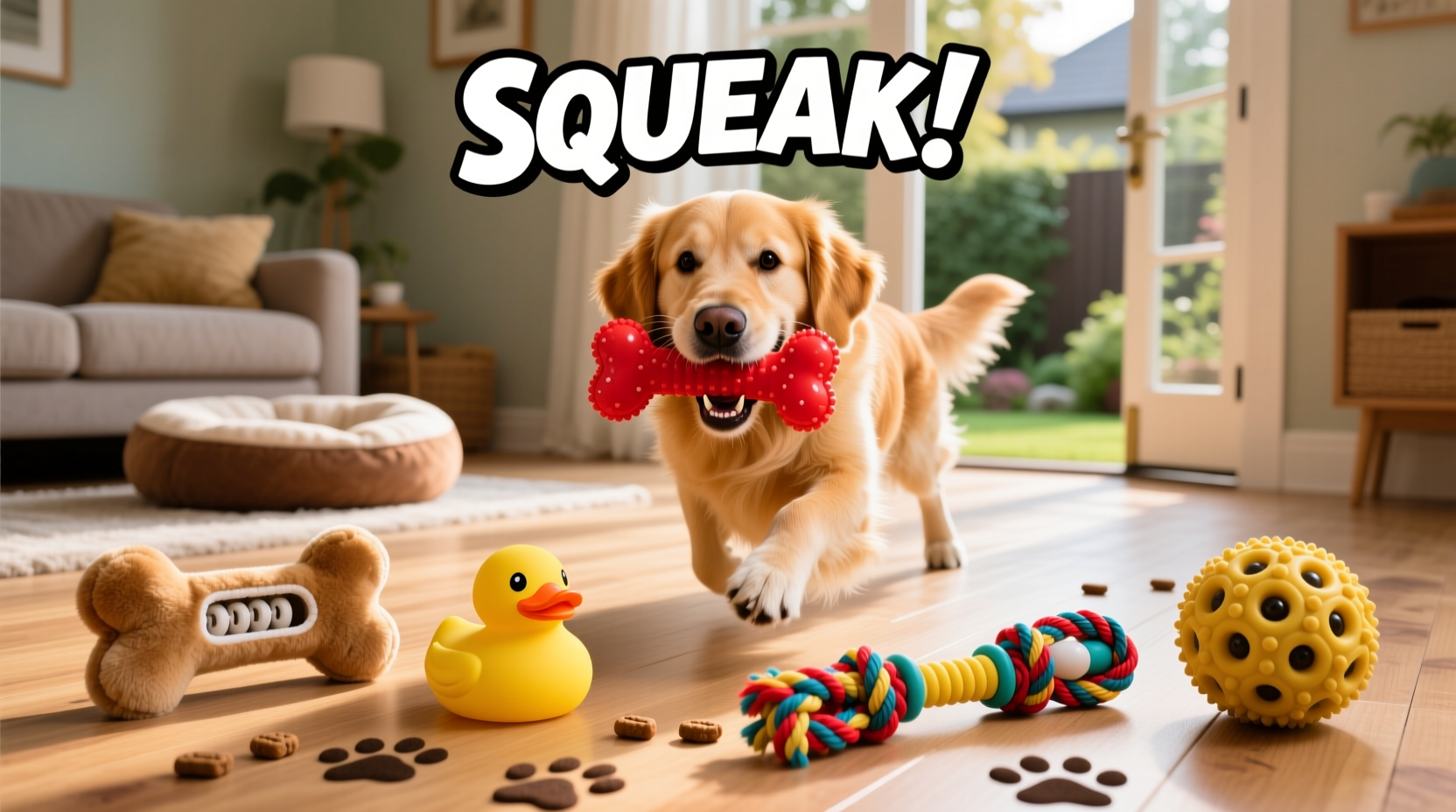
Puppies don’t just chew—they explore the world through their mouths. Their interaction with toys reveals a lot about their personality and needs. Some pups are gentle nibblers who enjoy tossing and carrying toys, while others are aggressive chewers who dismantle plush animals in minutes. Recognizing your puppy’s play style helps narrow down suitable squeaky toy types.
- Interactive Tossers: These puppies love chasing and retrieving. A lightweight squeaky ball or soft frisbee-style toy works well.
- Chewers: Puppies who bite down hard need reinforced stitching and durable materials. Avoid thin fabrics or easily torn seams.
- Cuddle Companions: Some puppies treat toys like surrogate littermates. Soft, plush squeaky animals with comforting textures are ideal.
- Hunters: Puppies drawn to the squeak may enjoy multi-squeaker toys or those that mimic prey sounds when crushed.
Material Matters: Safety and Durability
The material of a squeaky toy directly impacts its lifespan and safety. While plush toys are popular, they often contain small parts like plastic squeakers or button eyes that can become loose. Always inspect toys before giving them to your puppy, especially if they tend to tear things apart.
| Material | Pros | Cons | Best For |
|---|---|---|---|
| Plush Fabric | Soft, comforting, great for cuddling | Wears quickly; stuffing and squeakers can be ingested | Gentle players, young puppies |
| Rubber | Durable, chew-resistant, often dishwasher-safe | Less cuddly; limited squeak variety | Aggressive chewers |
| Fleece & Knit | Tear-resistant, machine washable | May still expose internal components over time | Moderate chewers |
| Nylon Blends | Extremely durable, long-lasting | Hard texture may not appeal to all puppies | Destructive chewers |
“Always prioritize non-toxic, BPA-free materials. If a toy smells strongly of chemicals, it’s best to return it.” — Dr. Lena Patel, Veterinary Behaviorist
Size and Design: Matching Toy to Puppy
A toy that’s too small can be a choking hazard, while one that’s too large discourages interaction. The ideal squeaky toy should be large enough that your puppy can’t fit the entire object in their mouth, yet small enough to carry comfortably.
Consider design features such as:
- Reinforced Seams: Double or triple stitching prevents rapid tearing.
- Hidden Squeakers: Encapsulated squeakers reduce the risk of ingestion.
- No Small Attachments: Avoid toys with plastic eyes, ribbons, or buttons that can come loose.
- Texture Variety: Ridges, nubs, or crinkle layers add sensory stimulation.
Step-by-Step Guide to Choosing the Right Size
- Measure your puppy’s mouth width (from canine to canine).
- Select a toy at least 1.5 times wider than this measurement.
- Ensure the toy isn’t so heavy that your puppy struggles to lift it.
- Test the toy under supervision for the first few sessions.
- Inspect daily for damage and retire if compromised.
Top 5 Squeaky Toy Types and When to Use Them
Not all squeaky toys serve the same purpose. Here’s a breakdown of common types and their ideal use cases:
- Plush Animal Toys: Best for emotional comfort and light play. Choose ones with minimal external parts and internal squeaker protection.
- Squeaky Balls: Ideal for fetch-loving puppies. Look for rubber or thick fabric-covered versions that bounce and squeak.
- Multi-Sensory Toys: Combine squeaks, crinkles, and textures. Great for mental stimulation and curiosity-driven pups.
- Interactive Puzzle Squeakers: Toys that require manipulation to activate the squeak encourage problem-solving.
- Durachew Squeakers: Made from tough rubber or composite materials, these withstand aggressive chewing while still delivering sound feedback.
Real-Life Example: Max the Border Collie
Max, a 5-month-old Border Collie, was destroying plush toys within hours. His owners initially bought soft duck-shaped squeaky toys, which he dismantled by removing the squeaker and eating the foam inside. Concerned about intestinal blockage, they consulted a trainer who recommended switching to a rubber squeaky bone with an encapsulated sound module. The new toy satisfied Max’s need for auditory feedback while resisting his powerful jaws. Over time, they introduced puzzle-style squeaky toys that required tossing or squeezing to activate the sound, channeling his energy into constructive play.
This case illustrates how aligning toy choice with breed tendencies (Border Collies are intelligent and energetic) and individual behavior leads to safer, more enriching outcomes.
Checklist: Before You Buy a Squeaky Toy
Use this quick checklist to ensure you’re making a smart, safe choice:
- ✅ Toy is appropriately sized for your puppy’s breed and age
- ✅ Made from non-toxic, pet-safe materials
- ✅ No small, detachable parts (eyes, noses, tags)
- ✅ Squeaker is sealed or protected from easy access
- ✅ Stitching is double-reinforced, especially around stress points
- ✅ Matches your puppy’s play style (chewing, tossing, cuddling)
- ✅ Easy to clean (machine washable or wipeable)
- ✅ Has positive reviews from other puppy owners
Frequently Asked Questions
Are squeaky toys bad for puppies?
No, squeaky toys are not inherently bad. They stimulate natural predatory instincts and provide mental enrichment. However, they should be used under supervision, especially with strong chewers, to prevent ingestion of small parts.
How often should I replace squeaky toys?
Replace any squeaky toy once you notice tears, exposed filling, missing pieces, or a broken squeaker. Daily inspection is recommended. For aggressive chewers, replacement may be needed every few weeks.
Can squeaky toys help with separation anxiety?
Yes, familiar toys with comforting sounds or scents can provide reassurance. A squeaky toy your puppy associates with playtime may reduce stress when left alone—but always supervise initial use to avoid destructive escalation.
Final Thoughts: Play Smart, Play Safe
Choosing the perfect squeaky toy isn’t just about entertainment—it’s about supporting your puppy’s physical development, mental health, and safety. The right toy encourages appropriate chewing, builds confidence, and strengthens the bond between you and your pet. By considering material, size, design, and your puppy’s unique temperament, you turn a simple purchase into a tool for healthy growth.




 浙公网安备
33010002000092号
浙公网安备
33010002000092号 浙B2-20120091-4
Comments
No comments yet. Why don't you start the discussion?