
Building a home from the ground up is one of life’s most rewarding endeavors. Unlike buying an existing property, constructing your dream house allows you to shape every detail—from layout and materials to energy efficiency and aesthetic style. But it’s also a complex process involving design decisions, legal requirements, financial planning, and coordination among multiple professionals. Done well, it results in a space perfectly tailored to your lifestyle. Done poorly, it can lead to cost overruns, delays, or a final product that misses the mark.
This comprehensive guide walks you through each phase of building your dream home, offering practical steps, expert insights, and tools to help you make informed choices from concept to completion.
1. Define Your Vision and Priorities
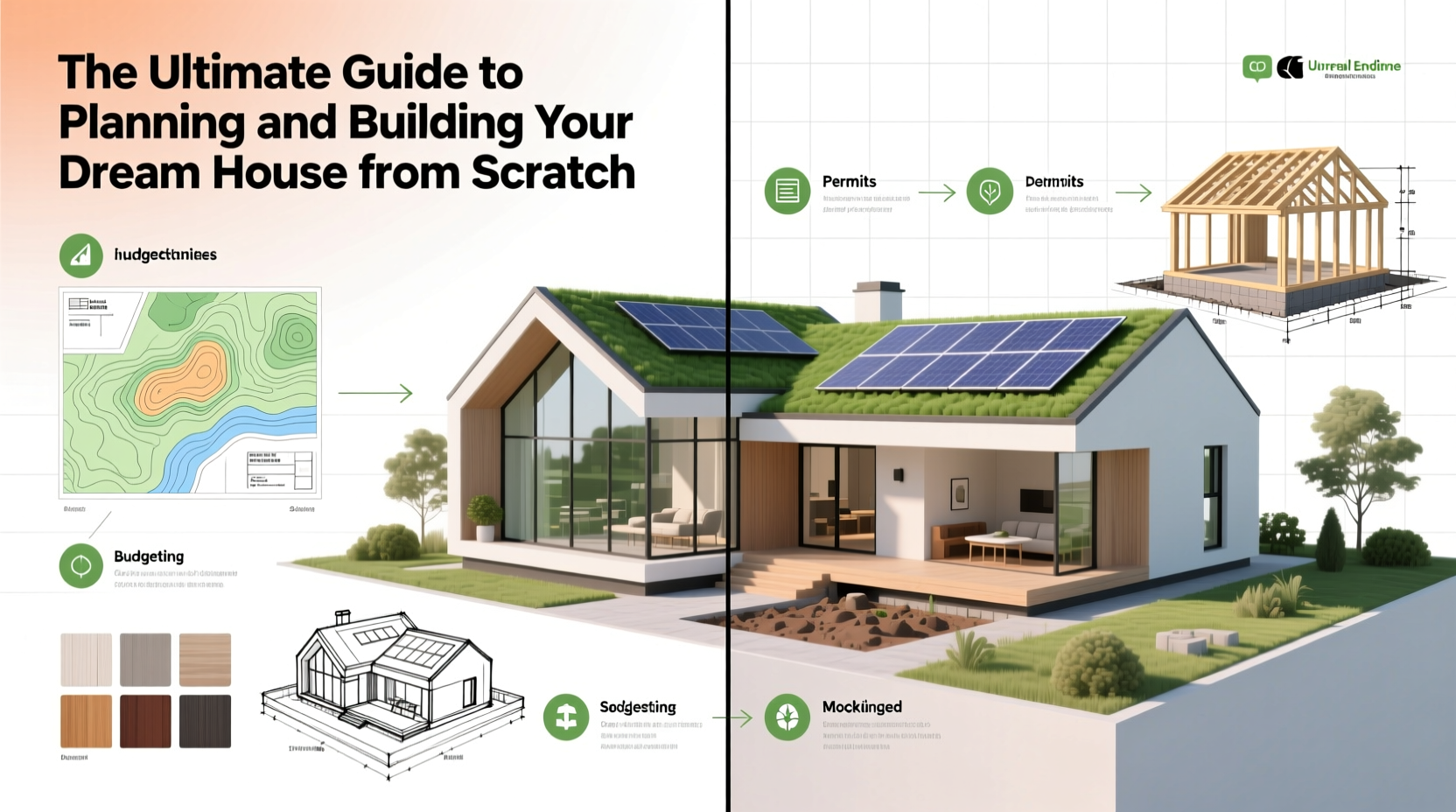
Before you sketch a floor plan or contact a builder, clarify what “dream house” means to you. Is it a minimalist modern retreat nestled in nature? A spacious family home with room for entertaining? Or a sustainable off-grid cabin? Your vision should reflect not just aesthetics but how you live day to day.
Consider these foundational questions:
- How many bedrooms and bathrooms do you need now—and in ten years?
- Do you prefer open-concept living or defined, separate rooms?
- What features are non-negotiable (e.g., walk-in pantry, home office, outdoor kitchen)?
- Are sustainability and energy efficiency priorities?
The Importance of a Lifestyle Audit
Spend two weeks observing how you use your current space. Note pain points: Do you cook often and feel cramped? Do you work remotely and need quiet zones? Use this data to inform functional design choices rather than chasing trends.
“Clients who invest time in defining their daily routines build homes that serve them—not the other way around.” — Sarah Lin, Architect & Residential Design Consultant
2. Establish a Realistic Budget
One of the most common pitfalls in custom home building is underestimating costs. The average cost to build a home in the U.S. ranges from $100 to $200 per square foot, but luxury finishes or challenging terrain can push that higher.
Your budget must account for more than construction. Include:
- Land acquisition
- Architectural and engineering fees
- Permits and inspections
- Utility connections (well, septic, electricity)
- Landscaping and site preparation
- A 10–15% contingency fund for unexpected expenses
| Budget Category | Typical % of Total Cost |
|---|---|
| Construction (framing, roofing, etc.) | 40–50% |
| Design & Professional Fees | 8–12% |
| Site Work & Utilities | 10–15% |
| Finishes (cabinetry, flooring, fixtures) | 15–20% |
| Contingency Fund | 10–15% |
3. Choose the Right Location and Land
Your land shapes everything—from foundation type to heating needs. Consider both emotional and logistical factors:
- Proximity: To work, schools, healthcare, and family
- Zoning laws: What can you legally build?
- Topography: Steep slopes increase excavation costs
- Soil quality: Poor soil may require specialized foundations
- Sun orientation: Maximize natural light and passive solar heating
Hire a land surveyor and, if needed, a geotechnical engineer before purchasing. A beautiful plot with poor drainage or limited access can become a financial burden.
Mini Case Study: The Hillside Home That Almost Wasn’t
The Thompsons found a wooded lot with panoramic views—perfect for their mountain retreat. But a soil test revealed expansive clay prone to shifting. Building without proper foundation reinforcement risked structural damage within five years. By investing $18,000 upfront in engineered piers and drainage systems, they avoided costly repairs later. The lesson: never skip due diligence on land.
4. Assemble Your Building Team
No one builds a house alone. You’ll need a coordinated team of professionals:
- Architect: Translates your vision into technical plans
- General Contractor: Manages construction, scheduling, and subcontractors
- Civil Engineer: Designs site grading, drainage, and utility layouts
- Interior Designer: Advises on finishes, lighting, and spatial flow
Interview at least three candidates for each role. Ask for references, view past projects, and ensure communication styles align. A talented architect who ignores your calls will cause frustration down the line.
“The best builders don’t just follow plans—they anticipate problems and solve them before you notice.” — Rafael Mendez, General Contractor with 22 Years’ Experience
Checklist: Questions to Ask Potential Contractors
- Are you licensed, bonded, and insured?
- Can I visit a home you’re currently building?
- How do you handle change orders and delays?
- Who will be my main point of contact during construction?
- What’s your typical timeline from groundbreaking to move-in?
- Do you offer a warranty on workmanship?
5. Design, Permits, and Construction Timeline
Once your team is in place, the project moves into design and permitting. This phase typically takes 3–6 months, depending on complexity and local regulations.
Step-by-Step Guide: From Blueprint to Move-In
- Concept Design (4–8 weeks): Collaborate with your architect on initial sketches and floor plans.
- Design Development (6–10 weeks): Finalize materials, window placements, and structural details.
- Permitting (4–12 weeks): Submit plans to local authorities; address feedback.
- Groundbreaking: Clear site, lay foundation, and begin framing.
- Dry-In Phase (Weeks 12–20): Roof on, walls enclosed, windows installed—now you’re weatherproof.
- Mechanical Rough-Ins: HVAC, plumbing, electrical lines installed before drywall.
- Interior Finishes (Weeks 20–30): Flooring, cabinets, paint, countertops.
- Final Inspections & Punch List: Address minor fixes and obtain occupancy permit.
- Move-In!
Total construction time averages 9–14 months, though simpler homes may finish faster.
Frequently Asked Questions
Can I act as my own general contractor?
Yes, in many states—but it comes with significant responsibility. You’ll manage permits, insurance, subcontractors, and timelines. Without experience, delays and code violations are more likely. Most homeowners benefit from hiring a professional GC, even if it adds 10–15% to the budget.
How can I reduce long-term maintenance costs?
Choose durable, low-maintenance materials: fiber cement siding instead of wood, metal roofing over asphalt shingles, and composite decking. Invest in high-quality windows and insulation to reduce energy bills and prevent moisture damage.
What if I want to make changes during construction?
Changes are possible but costly. Altering a wall after framing requires demolition, redesign, and rework. Always review your plans thoroughly before breaking ground. If changes are essential, submit formal change orders and get written approval on cost and timeline impacts.
Conclusion: Turn Vision Into Reality
Building your dream house is a marathon, not a sprint. It demands patience, clear communication, and meticulous planning. But the payoff—a home crafted precisely to your needs and tastes—is unmatched. Every decision, from foundation depth to faucet finish, contributes to a legacy you’ll live in and love for decades.
Start today: define your priorities, research your budget, and reach out to one professional who can help move you forward. Whether it’s an architect, a lender, or a trusted contractor, taking that first step transforms aspiration into action.




 浙公网安备
33010002000092号
浙公网安备
33010002000092号 浙B2-20120091-4
Comments
No comments yet. Why don't you start the discussion?