
Living with a cat brings joy, companionship, and sometimes, an unwelcome guest: persistent litter box odor. Despite regular scooping, many pet owners struggle with lingering smells that seep into carpets, furniture, and even walls. The good news? Cat litter odor is not inevitable. With the right tools, habits, and understanding of feline behavior, you can maintain a clean, fresh-smelling home—even with multiple cats.
Odor control isn’t just about masking smells with air fresheners. It’s about addressing the root causes: ammonia from urine, bacterial breakdown of waste, poor ventilation, and suboptimal litter choices. This guide compiles science-backed methods, veterinarian recommendations, and real-world-tested strategies to help you take back your space—without sacrificing your cat’s comfort or health.
Understanding the Source of Cat Litter Smell
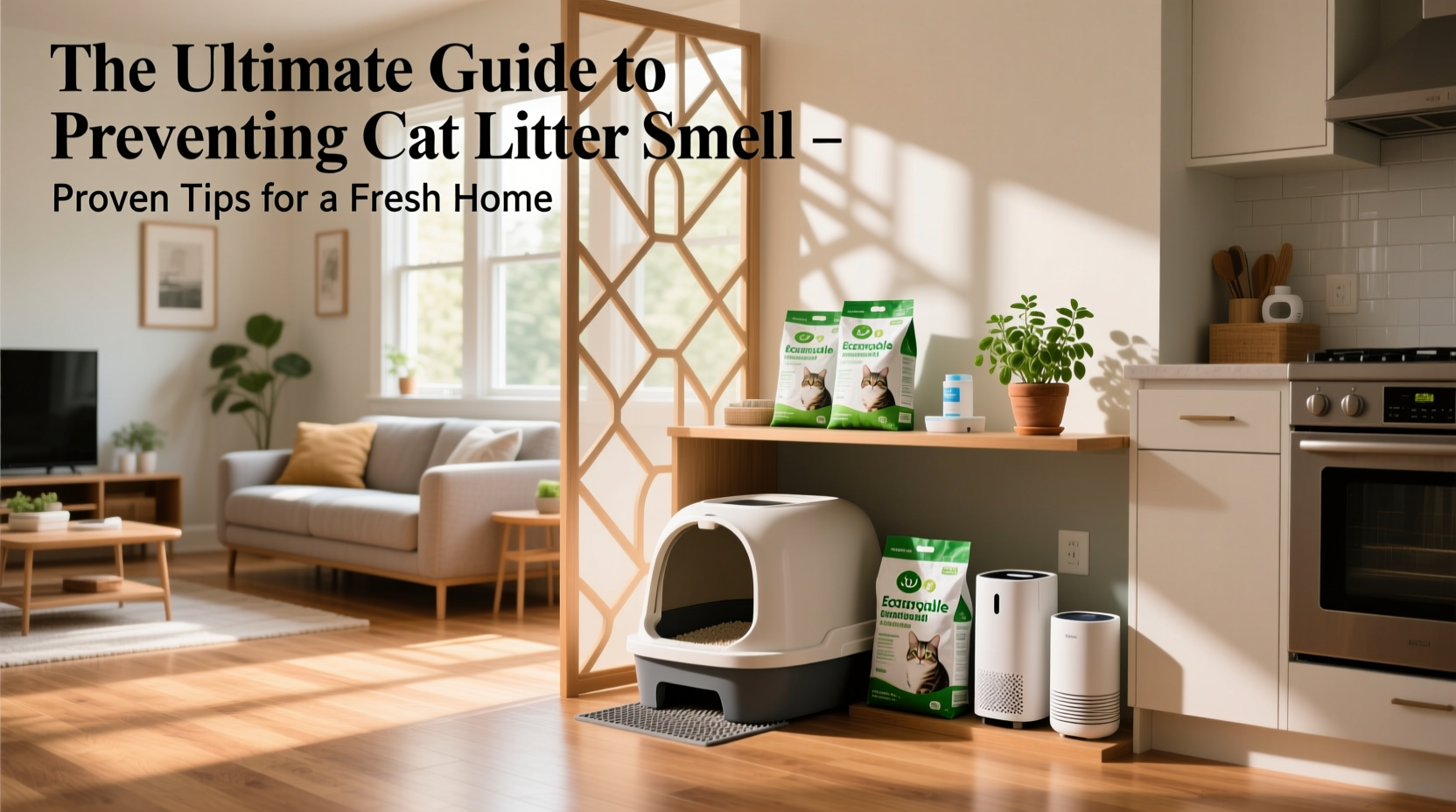
Cat waste produces two primary odor culprits: urea in urine and sulfur compounds in feces. When left unattended, urea breaks down into ammonia—a pungent gas that clings to fabrics and surfaces. Feces release hydrogen sulfide and skatole, both of which have strong, unpleasant odors. These compounds intensify in warm, humid environments and when bacteria multiply in damp litter.
The type of litter used plays a major role. Clay-based litters may trap some moisture but often lack sufficient odor-neutralizing properties. Silica gel crystals are more effective at absorbing moisture and reducing ammonia, while plant-based litters like pine or corn naturally break down waste and emit fewer volatile compounds.
“Ammonia buildup from cat urine isn’t just unpleasant—it can irritate respiratory systems in both pets and humans, especially in poorly ventilated areas.” — Dr. Laura Huang, DVM, Feline Health Specialist
Proven Strategies to Eliminate and Prevent Odor
Effective odor control requires a multi-pronged approach. Here are the most impactful steps you can take:
1. Choose the Right Litter
Not all litters are created equal. Look for products with natural odor-absorbing ingredients like activated charcoal, baking soda, or cedar. Clumping litters make daily maintenance easier by isolating waste, while silica crystal litters can last weeks with proper care.
2. Scoop Daily, Replace Weekly
Scooping once a day removes the majority of odor sources before they decompose. Even if the box looks clean, microscopic urine droplets remain. For non-clumping litters, full replacement every 5–7 days is essential. Clumping litters can last longer—up to four weeks—if diligently maintained—but never skip weekly deep cleaning.
3. Use a Covered or Self-Cleaning Litter Box
Covered boxes contain odors and reduce litter tracking, but ensure adequate ventilation to prevent ammonia buildup inside. Self-cleaning models automatically remove waste after use, minimizing exposure time. However, some cats are startled by the mechanism, so monitor your pet’s reaction.
4. Optimize Location and Ventilation
Place the litter box in a well-ventilated area—never in a closed closet or next to heat sources. Basements and laundry rooms are common choices, but if airflow is poor, install a small exhaust fan or leave a door ajar. Avoid high-traffic zones to reduce stress, which can lead to inappropriate elimination.
5. Clean the Box Thoroughly Between Uses
When changing litter, wash the box with mild dish soap and warm water. Never use ammonia-based or citrus-scented cleaners—ammonia mimics urine and may encourage re-soiling; citrus can repel cats due to their sensitive noses. Rinse thoroughly and dry completely before refilling.
Litter Box Maintenance Checklist
- ✅ Scoop solid waste and clumps at least once daily
- ✅ Replace entire litter bed weekly (or as recommended)
- ✅ Wash the box monthly with odor-free soap
- ✅ Check for cracks or crevices where odor can accumulate
- ✅ Keep one box per cat, plus one extra
- ✅ Store extra litter in sealed containers away from humidity
Do’s and Don’ts of Odor Control
| Do | Don't |
|---|---|
| Use unscented, dust-free litter to protect respiratory health | Use heavily perfumed litters that mask rather than neutralize odors |
| Place boxes in quiet, accessible locations | Put the box near noisy appliances like washing machines |
| Add a layer of baking soda under the litter for extra absorption | Mix different litter types unless transitioning slowly |
| Invest in an air purifier with a HEPA and carbon filter | Rely solely on sprays or plug-ins to cover up smells |
| Wash hands after handling litter to prevent bacterial transfer | Allow children or immunocompromised individuals to clean the box |
Real-World Example: A Multi-Cat Household Success Story
Sarah, a cat owner in Portland, struggled with odor despite daily scooping. She had three cats sharing two boxes in her basement, and guests often commented on the “cat smell” upon entering. After consulting her vet, she implemented several changes: she added a third box, switched to a silica crystal litter, installed a small exhaust fan, and began using a carbon-filter air purifier. Within two weeks, the ammonia odor disappeared. “I didn’t realize how much the stagnant air was trapping smells,” she said. “Now my cats use the boxes consistently, and I don’t dread opening the basement door.”
Step-by-Step Guide to Deep Cleaning Your Litter Area
- Remove all litter and dispose of it in a sealed bag.
- Take the box outside if possible to minimize indoor mess.
- Scrub with warm water and mild dish soap, focusing on corners and edges.
- Rinse thoroughly—soap residue can deter cats.
- Air-dry completely to prevent mold and bacterial growth.
- Optional: Deodorize with white vinegar (1:1 with water), then rinse again.
- Refill with fresh litter, adding a half-cup of baking soda underneath for extra odor control.
- Wipe surrounding floor with a pet-safe disinfectant.
Frequently Asked Questions
How many litter boxes should I have?
Veterinarians recommend one box per cat, plus one extra. This prevents territorial disputes and ensures access during peak usage times, such as early morning or after feeding.
Can air purifiers really help with cat litter smell?
Yes—especially models with activated carbon filters. HEPA filters capture dust and dander, while carbon absorbs gaseous odors like ammonia. Position the unit near the litter area for maximum effect.
Why does my cat keep urinating outside the box?
This could signal medical issues (like UTIs), stress, or dissatisfaction with the litter setup. Rule out health problems first with a vet visit. Then assess cleanliness, location, and litter type. Sudden changes in behavior warrant immediate attention.
Final Thoughts: A Fresh Home Is Within Reach
Eliminating cat litter odor doesn’t require extreme measures or expensive gadgets. It starts with consistency, the right products, and an understanding of your cat’s needs. By choosing effective litter, maintaining a strict cleaning schedule, improving airflow, and monitoring your cat’s behavior, you can enjoy a clean, odor-free home without compromising your pet’s well-being.
Remember, a clean litter box isn’t just about comfort—it’s a cornerstone of feline health and harmony. Cats are fastidious creatures; when their bathroom environment is unpleasant, they may choose alternatives like rugs or furniture. Preventing odor isn’t just about freshness—it’s about respect for your pet and your shared space.




 浙公网安备
33010002000092号
浙公网安备
33010002000092号 浙B2-20120091-4
Comments
No comments yet. Why don't you start the discussion?