
Your pillow plays a crucial role in your sleep quality, neck alignment, and overall health. Yet, it’s often overlooked when it comes to protection and maintenance. While most people focus on comfort and fill type, few realize that the right pillowcase can dramatically extend a pillow’s lifespan, improve hygiene, and enhance sleep comfort. This guide breaks down the science, materials, and habits behind effective pillow protection—so you can make smarter choices and wake up feeling refreshed, not congested or sore.
Why Pillow Protection Matters More Than You Think
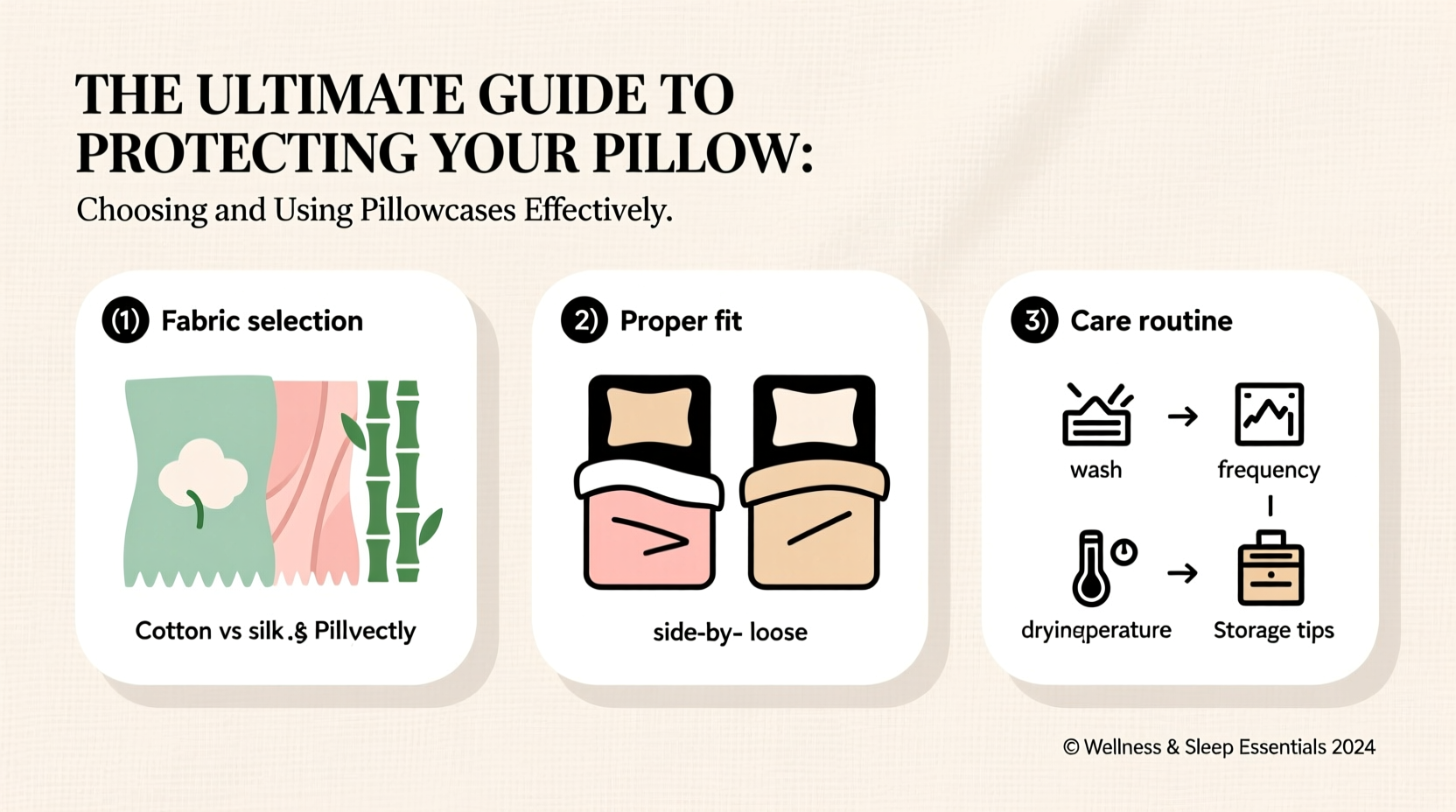
Pillows are breeding grounds for allergens, bacteria, and moisture if left unprotected. Every night, your body sheds thousands of skin cells, releases oils, and emits sweat—much of which ends up absorbed into your pillow. Over time, this leads to yellowing, odor, microbial growth, and degradation of support. A high-quality pillowcase acts as the first line of defense, shielding the inner filling from contaminants while regulating temperature and friction.
According to Dr. Lena Patel, a sleep hygiene specialist at the National Sleep Foundation, “A pillow without proper casing is like a mattress without a protector—exposed, vulnerable, and far less hygienic.” She adds, “Using the right pillowcase isn’t just about aesthetics; it’s a critical step in maintaining respiratory health and spinal support over time.”
Choosing the Right Pillowcase Material
Not all fabrics offer the same level of protection. The material affects breathability, durability, allergen resistance, and softness. Below is a comparison of the most common pillowcase fabrics and their protective qualities:
| Material | Protection Level | Breathability | Allergy-Friendly? | Durability |
|---|---|---|---|---|
| Cotton (especially long-staple) | High | Good | Yes | High |
| Polyester Blends | Moderate | Fair | No (can trap heat and irritants) | Moderate |
| Bamboo Rayon | Very High | Excellent | Yes (naturally antimicrobial) | Good |
| Silk | High (for hair/skin) | Good | Yes | Fair (delicate fibers) |
| TENCEL™ (Lyocell) | Very High | Excellent | Yes (moisture-wicking, hypoallergenic) | High |
For maximum protection, prioritize natural, tightly woven fabrics with moisture-wicking properties. Bamboo and TENCEL™ stand out for their ability to resist dust mites and regulate humidity, making them ideal for allergy sufferers and hot sleepers.
“Investing in a high-thread-count bamboo or TENCEL™ case can reduce microbial load by up to 60% compared to standard cotton.” — Dr. Alan Zhou, Textile Researcher at SleepTech Labs
Step-by-Step Guide to Effective Pillow Protection
Protecting your pillow isn’t just about slipping on any case—it requires a consistent routine and the right layers. Follow this sequence to maximize protection:
- Select the correct size. Ensure the pillowcase matches your pillow dimensions (standard, queen, king, or specialty shapes like cervical or body pillows). A loose fit exposes edges; a tight fit strains seams.
- Add a waterproof liner (optional but recommended). Especially useful for children, allergy sufferers, or those who sweat heavily. Use a breathable, noiseless liner beneath the decorative case.
- Use two pillowcases in rotation. Having one in use and one in wash ensures continuous protection without gaps.
- Wash both pillow and case regularly. Most pillows can be spot-cleaned monthly and deep-cleaned every 3–6 months. Always check care labels.
- Air out your pillow weekly. Place it near an open window (not in direct sunlight) for 2–3 hours to dissipate moisture and refresh fibers.
- Replace worn cases immediately. Pilling, thinning fabric, or stretched elastic means protection is compromised.
Real-Life Example: How One Family Reduced Allergy Symptoms
The Rivera family had been struggling with persistent nighttime congestion and itchy eyes. Their twin children were diagnosed with mild dust mite allergies, and despite regular vacuuming, symptoms persisted. After consulting a pediatric allergist, they implemented a full bedding protection strategy: switching to zippered, allergen-proof pillow covers made of microfiber, topped with TENCEL™ pillowcases. They also committed to washing all bedding weekly in hot water (130°F).
Within three weeks, the children reported fewer nasal symptoms and improved sleep continuity. The parents noticed less morning fatigue. The doctor later confirmed a significant reduction in airborne allergens in the bedroom. This case illustrates how targeted pillow protection can have measurable health benefits beyond mere cleanliness.
Common Mistakes That Undermine Pillow Protection
- Using oversized cases – Leaves parts of the pillow exposed to dirt and spills.
- Skipping the laundry routine – Even the best case fails if used for weeks without washing.
- Ignoring zipper closures – Envelope or housewife-style cases let pillows shift and expose filling; zippered ones provide full enclosure.
- Pairing delicate fills with rough fabrics – Coarse weaves like burlap or low-grade cotton can abrade memory foam or down clusters.
- Overloading with decorative pillows – Too many layers trap heat and moisture, creating a humid microclimate that promotes mold.
Checklist: Are You Protecting Your Pillow Effectively?
Use this quick checklist to evaluate your current pillowcare routine:
- ✅ Pillowcase fits snugly without stretching
- ✅ Fabric is breathable and suitable for your skin type
- ✅ You change the case at least once a week
- ✅ You wash your pillow every 3–6 months
- ✅ You air out your pillow weekly
- ✅ You avoid eating or drinking in bed to prevent spills
- ✅ You use a liner if prone to night sweats or allergies
- ✅ You replace damaged or worn-out cases promptly
Frequently Asked Questions
Can I machine-wash all pillowcases?
Most can, but always check the care label. Silk and some delicate blends require hand washing or gentle cycles with cold water. Avoid bleach, especially on protein-based fibers like silk, as it weakens threads.
How do I know when to replace my pillow?
If your pillow no longer springs back when folded in half, has lumps, or causes neck pain, it’s time for a replacement. Typically, pillows last 1–2 years with proper care. Down and memory foam may last longer with excellent protection.
Are waterproof pillow protectors noisy or uncomfortable?
Older models were plasticky and crinkly, but modern breathable barriers made from polyurethane laminate (PUL) are silent, soft, and highly effective. Look for terms like “quiet barrier” or “breathable membrane” when shopping.
Final Thoughts: Make Protection Part of Your Sleep Ritual
Protecting your pillow isn’t a luxury—it’s a necessity for lasting comfort and health. The right pillowcase does more than look good; it preserves structural integrity, minimizes allergens, and enhances your nightly rest. By choosing high-performance fabrics, maintaining a consistent cleaning schedule, and avoiding common pitfalls, you ensure your pillow remains supportive, fresh, and hygienic for years.
Start tonight: inspect your current pillowcase, check for wear, and plan your next wash cycle. Small changes compound into better sleep, fewer allergies, and smarter investment in your well-being.




 浙公网安备
33010002000092号
浙公网安备
33010002000092号 浙B2-20120091-4
Comments
No comments yet. Why don't you start the discussion?