
Lost clothing is a universal frustration—especially in schools, daycare centers, sports teams, or during travel. Whether it's a toddler’s sweater vanishing at preschool or a gym shirt disappearing from the locker room, misplacement costs time, money, and peace of mind. The solution? Durable, permanent labels that stay put through countless washes, wear, and tear. This guide explores proven methods, materials, and strategies to label garments effectively for every scenario, ensuring your items are always identifiable and traceable.
Why Durable Clothing Labels Matter
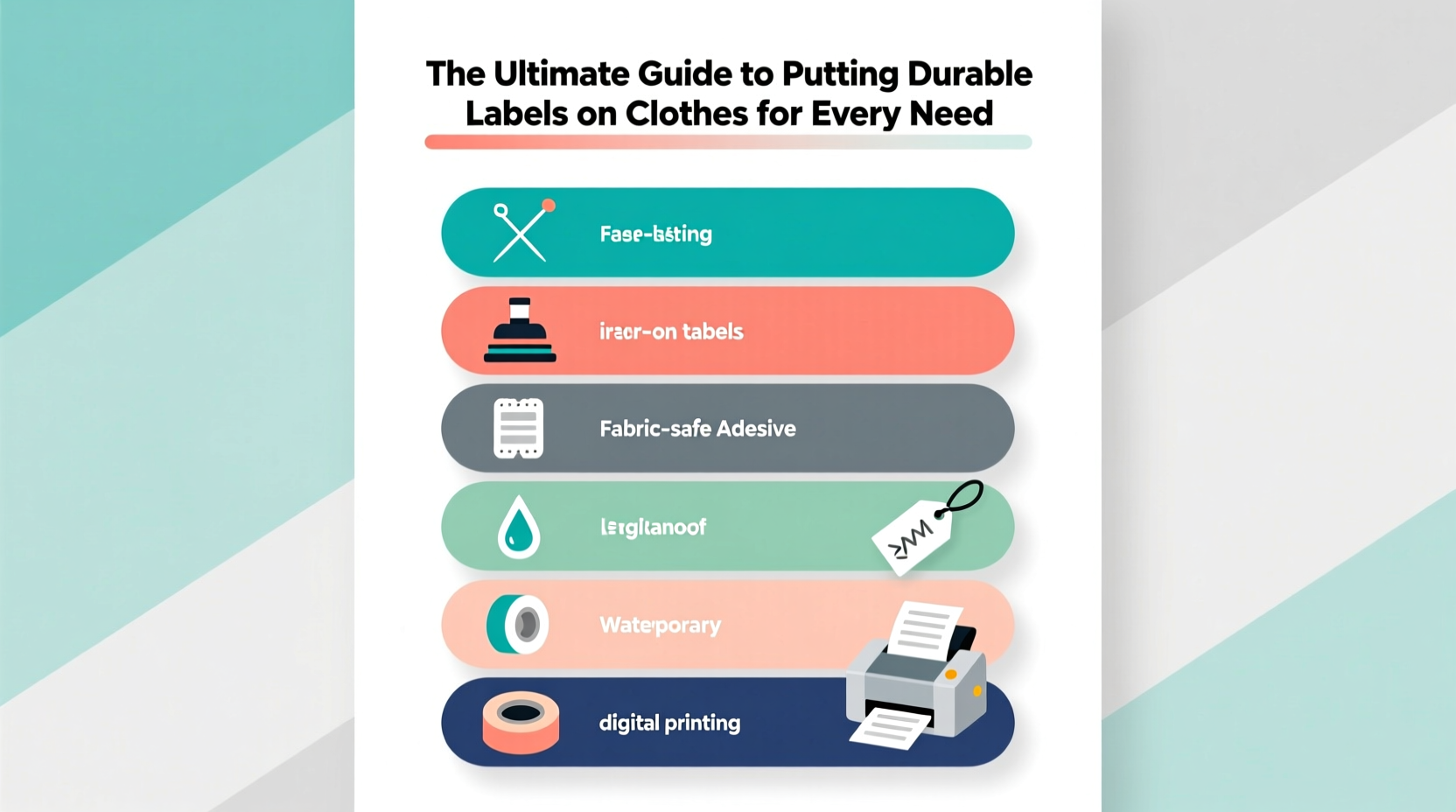
Labels aren’t just about ownership—they’re about organization, safety, and sustainability. Children grow quickly, but their clothes often outlast a single season. Without proper identification, donating, sharing, or reusing clothing becomes chaotic. In institutional settings like boarding schools or care homes, labeled garments reduce confusion and ensure hygiene compliance.
Durable labels also protect investment. High-quality baby clothes, uniforms, or performance gear represent significant expense. Losing them due to poor identification is preventable with the right labeling strategy.
“Proper labeling can reduce lost clothing incidents by up to 70% in group childcare environments.” — Dr. Lena Peterson, Childcare Logistics Researcher
Types of Durable Labeling Methods
Not all labels are created equal. The best method depends on fabric type, frequency of washing, age of the wearer, and whether the label should be visible or discreet. Below is a comparison of the most effective techniques.
| Method | Durability | Wash Resistance | Best For | Lifespan |
|---|---|---|---|---|
| Iron-on Name Tags | High | Excellent (30+ washes) | Kids’ clothes, school uniforms | 1–3 years |
| Woven Sew-In Labels | Very High | Exceptional (lifetime of garment) | Heirloom pieces, baby clothes | Permanent |
| Waterproof Sticker Labels | Moderate | Fair (5–10 washes) | Short-term use, travel | Temporary |
| Heat Transfer Vinyl (HTV) | High | Very Good (20+ washes) | Custom designs, team apparel | 1–2 years |
| Tagless Direct Printing | Very High | Exceptional | Branded apparel, resale | Permanent |
Step-by-Step: Applying Iron-On Labels Correctly
Iron-on labels are among the most popular choices for parents and institutions due to their balance of ease and durability. However, improper application leads to peeling and failure. Follow this timeline for success:
- Choose the right label: Select heat-activated polyamide or nylon-based iron-on tags designed for fabric adhesion.
- Pre-wash the garment: Remove sizing agents that can interfere with bonding.
- Position the label: Place it inside the neckline or side seam, avoiding seams or thick stitching.
- Set the iron: Use cotton/linen setting without steam. Test on an inconspicuous area first.
- Apply firm pressure: Press the iron over the label for 15–20 seconds, covering all edges evenly.
- Cool completely: Allow the label to set for at least two minutes before handling.
- Wait before washing: Do not launder for 24 hours to ensure full adhesion.
Choosing Between Visible and Hidden Labels
The decision between visible and hidden labels depends on context. Visible labels make quick identification easy—for example, in a busy classroom cubby or shared laundry room. They deter accidental takeaways and support independence in older children who can recognize their names.
Hidden labels, sewn into side seams or behind collars, preserve aesthetics and are ideal for formal wear, gifted clothing, or resale situations. They’re less likely to irritate sensitive skin and avoid encouraging teasing based on names or initials.
In professional or institutional settings, a hybrid approach works best: a discreet sewn-in label for permanence, paired with a removable tag for daily ID needs.
Real-World Example: Solving a Preschool Clothing Crisis
A Montessori preschool in Portland reported losing an average of 12 garments per month. Parents were frustrated, and staff spent hours sorting unidentified items. The director introduced a policy requiring all clothing to have either woven sew-in labels or industrial-grade iron-ons. A parent workshop demonstrated proper application, and a discount was offered through a local labeling service.
Within three months, lost clothing dropped to fewer than two items per month. Teachers noted improved student responsibility, as children could now identify their belongings independently. The initial effort paid off in saved time, reduced replacement costs, and higher parent satisfaction.
Expert Tips for Long-Lasting Results
- Always check fabric care labels before applying any adhesive or heat-based method.
- Avoid placing labels over elastic or stretchy areas where tension may cause lifting.
- For infants and toddlers, use soft, flexible labels to prevent chafing.
- Rotate labeled items if used in shared environments (e.g., daycare loaner bins).
- Reinforce labels on heavily washed items like socks and underwear with fabric glue after ironing.
Checklist: Preparing Clothes for Durable Labeling
- Sort garments by fabric type (cotton, polyester, blend, etc.)
- Select appropriate label type for each category
- Pre-wash all clothing to remove residues
- Mark label placement with tailor’s chalk
- Gather tools: iron, pressing cloth, tweezers, sewing needle (if needed)
- Apply labels following manufacturer instructions
- Log labeled items in a simple inventory (optional but helpful for large batches)
- Test wash one item before processing the entire set
FAQ
Can I wash labeled clothes in a dryer?
Yes, most durable labels—including iron-on and sew-in types—are dryer-safe. However, avoid excessive heat cycles to prolong label life. Tumble dry low is recommended.
Are name labels safe for babies with sensitive skin?
Yes, if you choose hypoallergenic, soft-backed labels. Woven sew-in labels are ideal because they lie flat and don’t contain adhesives. Avoid vinyl or stiff plastic tags near delicate skin.
What if a label starts peeling?
Peeling usually results from incorrect application or moisture exposure before setting. Re-iron with a pressing cloth, apply fabric glue underneath, then let dry fully before reuse.
Final Recommendations by Use Case
- School & Daycare: Iron-on or sew-in labels with full name and contact info (if allowed).
- Travel: Waterproof sticker labels for luggage; iron-ons for clothing packed in shared spaces.
- Sports Teams: HTV or embroidered patches with team name and player number.
- Baby Gifts: Woven labels with birth date and name for keepsake value.
- Resale or Donation: Removable paper tags or temporary fabric pens.
Conclusion
Durable clothing labels are a small step with long-term benefits. From preventing daily losses to preserving sentimental garments, the right labeling system brings order, security, and efficiency. Whether you're a parent, educator, or organizer, investing time in proper labeling pays dividends in peace of mind and resource conservation.




 浙公网安备
33010002000092号
浙公网安备
33010002000092号 浙B2-20120091-4
Comments
No comments yet. Why don't you start the discussion?