
Finding a missing cat within your own home can be more challenging than it seems. Cats are naturally secretive, especially when stressed, injured, or frightened. They instinctively seek out small, dark, enclosed spaces where they feel safe and hidden from perceived threats. While panic may urge you to search frantically, loud movements and active calling often drive a frightened cat deeper into hiding. The most effective approach is calm, methodical, and quiet—maximizing your chances of success without increasing your pet’s anxiety.
Understanding Feline Hiding Behavior
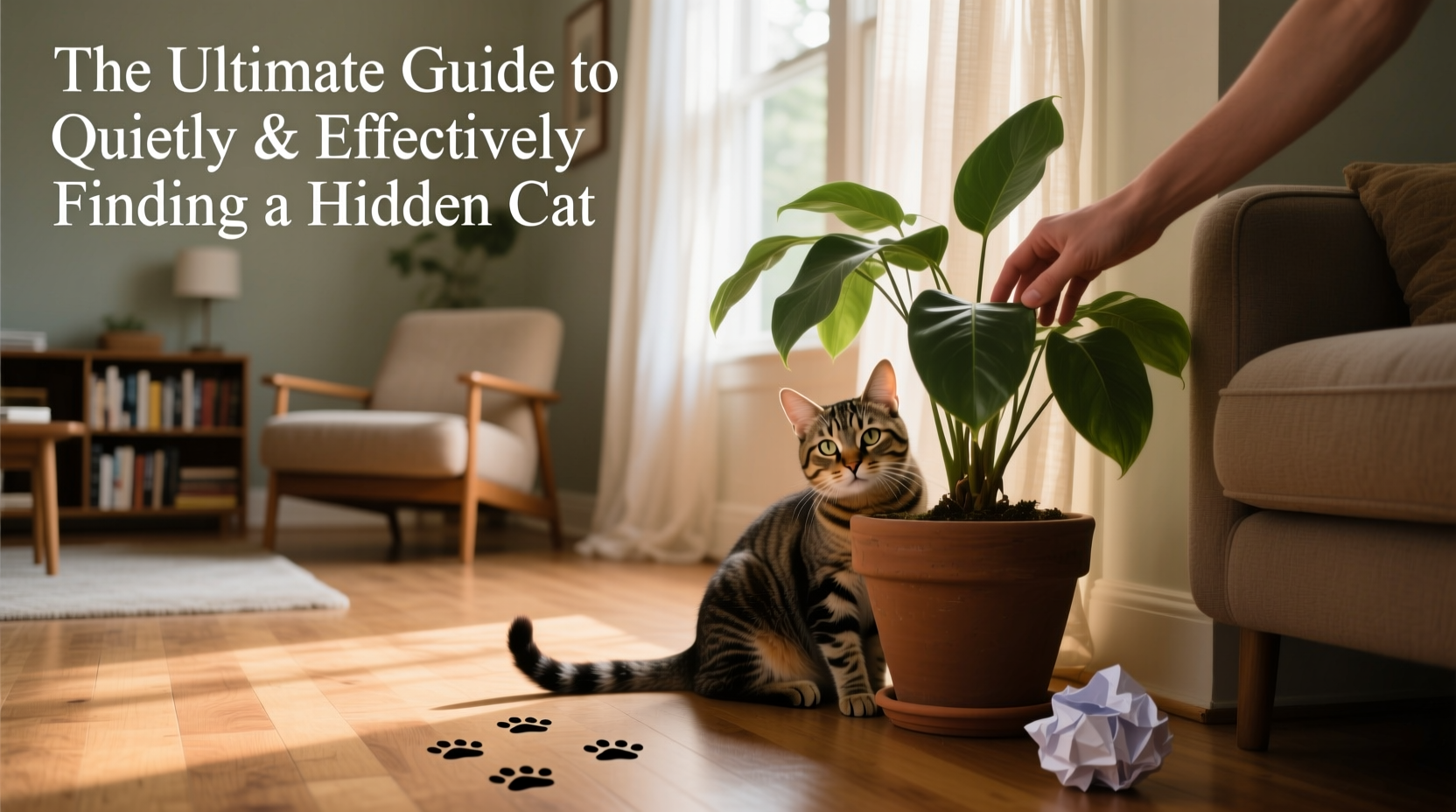
Cats don’t hide for attention. When a cat disappears indoors, it’s usually responding to fear, illness, environmental change, or stress. Common triggers include loud noises (thunderstorms, construction), new pets, visitors, or even rearranged furniture. A cat’s survival instincts kick in, prompting them to find a secure spot where they can observe their surroundings while remaining unseen.
Their ideal hiding spots are typically elevated or enclosed: behind bookshelves, under beds, inside closets, behind washing machines, in attics, or beneath cabinets. These areas offer insulation, limited access points, and proximity to walls—features that make cats feel protected.
“Cats interpret loud sounds and fast movement as threats. The quieter and calmer you are, the more likely your cat will emerge.” — Dr. Lena Patel, Feline Behavior Specialist
A Step-by-Step Search Strategy
Success lies in patience and precision. Rushing through rooms or shouting your cat’s name may worsen the situation. Instead, follow this structured timeline:
- Stay Calm: Take deep breaths. Your energy affects your cat, even if they can’t see you.
- Eliminate Distractions: Turn off TVs, radios, and noisy appliances. Speak in soft tones only.
- Begin with Familiar Zones: Start near their favorite sleeping spots, feeding area, or litter box.
- Listen Intently: Sit silently in each room for 3–5 minutes. Listen for subtle sounds—soft meows, breathing, or scratching.
- Use a Flashlight: Shine light slowly into dark corners, under furniture, and behind appliances. Look for reflective eyes.
- Check High and Low Spaces: Inspect top shelves, inside closets, under sinks, and behind radiators.
- Wait and Return: If no sign is found, leave the room and come back later. Cats often move when the house is quiet.
Effective Tools and Techniques
While physical searching is essential, certain tools and behaviors increase effectiveness without alarming your cat.
Use Scent and Sound Wisely
Place familiar-smelling items—such as a used blanket, piece of clothing, or their favorite toy—near potential hiding spots. The scent of their human can encourage them to investigate. Avoid strong perfumes or cleaning agents nearby, as these may repel them.
Instead of calling loudly, try making soft, high-pitched kissing noises or gently shaking their treat bag. Many cats respond to these subtle auditory cues when they ignore verbal calls.
Leverage Food Strategically
Leave out strongly scented food like canned tuna, chicken baby food, or warmed wet food. Place it in multiple central locations. Do not hover near the food—your presence may deter them from approaching. Check the dishes periodically for signs of eating.
Employ Motion Detection (If Available)
If you have indoor security cameras or motion-sensing lights, review footage from the last time your cat was seen. Even brief glimpses can reveal patterns or narrow down search zones.
Do’s and Don’ts: A Quick Reference Table
| Do | Don't |
|---|---|
| Move slowly and quietly through each room | Run, shout, or clap to get attention |
| Sit still in a room with treats nearby | Stare directly at the cat once spotted |
| Use a flashlight at eye level to scan crevices | Shine bright lights directly into hiding spaces |
| Leave doors open to closets, bathrooms, and basements | Block exits or trap the cat prematurely |
| Ask family members to assist with silent monitoring | Allow children or other pets to chase or corner the cat |
Real Example: Finding Luna After the Fireworks
Last July 4th, Sarah noticed her 3-year-old tabby, Luna, vanished after fireworks began. She searched the usual spots—under the bed, behind the couch—but found nothing. Instead of panicking, she turned off all lights, sat on the living room floor with Luna’s favorite feather toy, and waited.
After 20 minutes of silence, she heard a faint rustle behind the entertainment center. Using a phone flashlight, she saw Luna wedged between the wall and the back panel. Rather than reaching in, Sarah placed a bowl of tuna nearby and retreated. Two hours later, Luna emerged and ran straight to her. The quiet, non-threatening approach made all the difference.
Essential Checklist for Indoor Cat Recovery
- ✅ Stay calm and breathe deeply
- ✅ Turn off loud appliances and electronics
- ✅ Begin search in known favorite spots
- ✅ Use a flashlight to check dark, enclosed spaces
- ✅ Place smelly food or familiar items in central areas
- ✅ Listen silently in each room for at least 3 minutes
- ✅ Check above and below eye level (closets, under sinks)
- ✅ Leave doors ajar to allow safe exploration
- ✅ Ask household members to avoid loud activity
- ✅ Recheck areas at different times of day
Frequently Asked Questions
How long can a cat stay hidden inside a house?
It’s not uncommon for cats to remain hidden for several days, especially if they’re stressed or unwell. As long as food and water are accessible—or evidence shows they’ve eaten—they may simply need time to feel safe again. Some cats have been found after 5–7 days in concealed spaces like crawl spaces or wall cavities.
What should I do if I hear my cat but can’t locate them?
Pinpoint the sound as closely as possible, then sit quietly nearby. Avoid shining lights directly toward the noise. Try tapping softly on walls or floors—cats sometimes respond to rhythmic tapping. You can also place a recording of kitten mews or bird sounds nearby; curiosity may draw them out.
Could my cat have escaped outside?
Possibly, but rule out indoor hiding first. Cats can wedge into incredibly tight spaces. If no signs are found after 24–48 hours of thorough searching—and especially if doors or windows were open—expand your search outdoors at night, using a flashlight and calling softly.
Final Steps and When to Seek Help
If your cat remains unfound after two full days of systematic searching, consider enlisting help. Alert neighbors, post on local lost pet groups, and contact nearby shelters. You might also use a thermal imaging camera (available through some fire departments or building inspectors) to detect body heat in walls or attics.
In rare cases, cats have been discovered inside false walls, storage trunks, or even large appliances. If you suspect entrapment or injury, professional assistance from animal rescuers or pest control experts with inspection tools may be necessary.
“Most indoor missing cats are found within 24 to 72 hours using quiet, observant methods. Patience is not passive—it’s strategic.” — National Feline Safety Network
Conclusion
Finding a hidden cat isn’t about speed—it’s about sensitivity. By respecting your cat’s instincts and adjusting your behavior accordingly, you create the conditions for a safe reunion. Move with purpose, act with quiet intention, and trust the process. Your calm presence is the strongest signal your cat can receive that the danger has passed.




 浙公网安备
33010002000092号
浙公网安备
33010002000092号 浙B2-20120091-4
Comments
No comments yet. Why don't you start the discussion?