
A tote bag is more than just an accessory—it's a daily companion. Whether you're carrying work essentials, groceries, or travel items, the right tote should endure stress, maintain its shape, and reflect your personal style without fraying at the seams—literally. Yet not all totes are built equally. Many brands market their bags as “premium” while using subpar materials and weak construction techniques. Understanding what truly defines quality empowers you to invest wisely in a bag that lasts years, not months.
Understanding Material Quality: What Makes a Tote Last
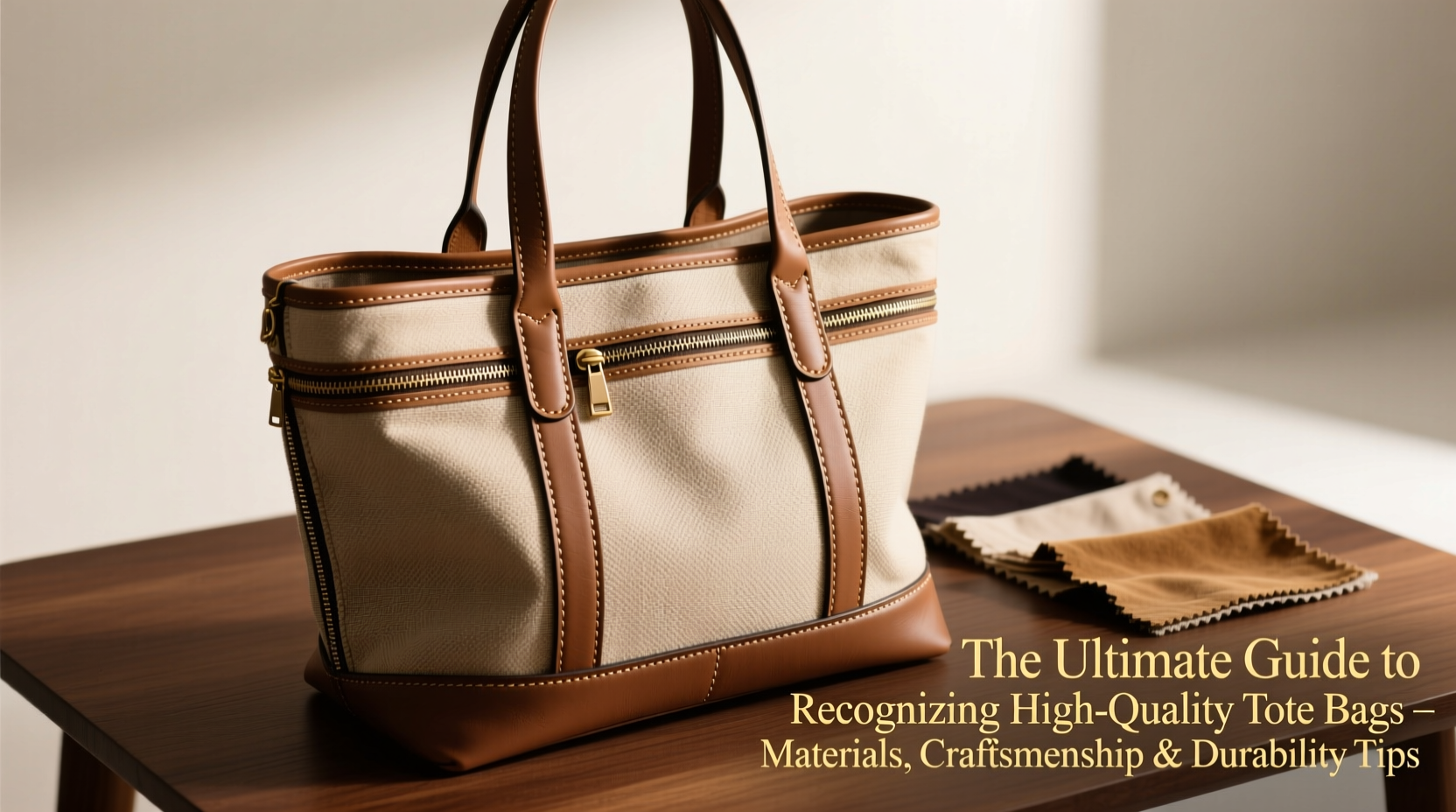
The foundation of any durable tote lies in its material. High-quality fabrics resist wear, repel moisture, and age gracefully. The most common materials used in premium tote bags include full-grain leather, waxed canvas, organic cotton duck, and recycled ballistic nylon. Each has distinct advantages:
- Full-grain leather: The strongest and most durable type of leather, known for developing a rich patina over time. It retains the hide’s natural grain and fibers, making it highly resistant to tearing.
- Waxed canvas: Originally developed for sails, this fabric is water-resistant and tough. Over time, it develops character similar to leather but requires less maintenance.
- Cotton duck: A tightly woven cotton fabric often used in workwear. When treated or blended with natural waxes, it becomes remarkably resilient.
- Recycled ballistic nylon: Originally designed for military gear, this synthetic fabric resists abrasions and punctures. Eco-conscious brands use post-consumer recycled versions without sacrificing strength.
Inspecting Craftsmanship: Stitching, Hardware, and Structure
Even the finest material can fail if poorly constructed. Superior craftsmanship ensures every component works together harmoniously. Start by examining the stitching: look for tight, even stitches (at least 8–10 per inch), double or triple stitching along stress points like handles and gussets, and reinforced box corners.
Habitual stress zones—such as where straps attach—are often where cheaper bags fail first. Premium totes use bar tacks or X-stitch reinforcements in these areas. Avoid bags with loose threads, uneven seams, or visible glue residue.
Hardware matters too. Zippers should glide smoothly and be made from metal (brass or nickel) rather than plastic. Rivets, buckles, and D-rings should feel substantial and securely anchored. Test them gently—flimsy hardware will bend or detach under load.
“Stitching isn’t just about appearance; it’s structural integrity. One missed reinforcement can compromise the entire bag.” — Daniel Ruiz, Artisan Leatherworker & Founder of Atelier Valise
Key Construction Features of a High-Quality Tote
| Feature | High-Quality Sign | Poor-Quality Red Flag |
|---|---|---|
| Stitching Density | 8–12 stitches per inch, consistent tension | Fewer than 6 stitches per inch, skipped lines |
| Handle Attachment | Double-stitched + riveted or boxed seam | Sewn only, no reinforcement |
| Interior Lining | Durable fabric (e.g., cotton twill, polyester blend) | Thin, easily torn lining or none at all |
| Base Structure | Reinforced bottom panel or molded insert | Flat fabric base that sags when loaded |
| Hardware | Metal zippers, solid rivets, engraved logos | Plastic zippers, flimsy clasps |
Durability Testing: How to Evaluate a Tote Before You Buy
You don’t need a lab to test a tote’s resilience. With a few simple checks, you can assess durability on the spot:
- Squeeze the body: Does it hold its shape? A well-structured tote shouldn’t collapse when empty.
- Bend the strap: If it cracks or shows white streaks (especially in faux leather), it will likely split over time.
- Check weight distribution: Load the bag with books or bottles. Do the handles dig into your shoulder? Does the base stretch?
- Test the zipper: Open and close it multiple times. It should move fluidly without catching.
- Smell the material: Real leather has a distinct earthy scent. A strong chemical odor suggests low-grade synthetics.
Mini Case Study: From Commuter to Weekend Warrior
Sophie, a freelance designer in Portland, needed one bag for her laptop, sketchbook, and coffee runs. She bought two nearly identical canvas totes—one for $35, another for $120. Within six months, the cheaper tote showed frayed stitching at the handle, a broken zipper, and a sagging base. The pricier version, made with waxed cotton and brass hardware, remained intact after 18 months of daily use. The difference wasn’t just cost—it was attention to detail in stress point reinforcement and material sourcing.
Care and Maintenance: Preserving Your Investment
Even the best tote will degrade without proper care. Different materials require different routines:
- Leather: Wipe with a damp cloth monthly. Condition every 3–4 months with a pH-balanced product to prevent drying and cracking.
- Canvas: Spot clean with mild soap and water. Air dry away from direct heat. Re-wax annually if applicable.
- Synthetic fabrics: Machine washable options exist, but hand washing preserves shape and coating longer.
“Consistent care and proper storage can double a bag’s lifespan.” — Emma Clarke, Fashion Care Expert
Durability Checklist: Before You Purchase a Tote Bag
- ✅ Material is thick, textured, and naturally resilient (leather, waxed canvas, etc.)
- ✅ Stitches are tight, even, and doubled at stress points
- ✅ Handles are securely attached with rivets or box stitching
- ✅ Hardware is metal, not plastic, and operates smoothly
- ✅ Interior lining is sturdy and fully sewn (no exposed edges)
- ✅ Base is structured or reinforced to support weight
- ✅ Brand provides transparency about sourcing and manufacturing
Frequently Asked Questions
Is full-grain leather worth the extra cost?
Absolutely. Full-grain leather is the most durable form of leather available. Unlike corrected or bonded leather, it hasn’t been sanded or layered, preserving its natural strength. It ages beautifully, developing a unique patina while resisting wear far longer than alternatives.
Can a tote be both stylish and functional?
Yes—design doesn’t have to sacrifice durability. Look for minimalist silhouettes with smart details: interior pockets, padded laptop sleeves, adjustable straps, and neutral tones that pair well with various outfits. Brands like Fjällräven, Bellroy, and Cuyana prove that elegance and endurance coexist.
How do I know if a brand is honest about quality claims?
Transparency is key. Reputable brands list material sources, manufacturing locations, and care instructions clearly. They offer warranties (1 year or more) and publish behind-the-scenes content about production. Be wary of vague terms like “premium” or “luxury” without supporting details.
Conclusion: Choose Wisely, Carry Confidently
A high-quality tote bag isn’t defined by a logo or price tag—it’s measured by the integrity of its materials, precision of its construction, and ability to withstand daily demands. By learning to identify genuine craftsmanship, you shift from being a passive buyer to an informed consumer. Every stitch, strap, and seam tells a story. Make sure yours speaks of resilience, purpose, and timeless utility.




 浙公网安备
33010002000092号
浙公网安备
33010002000092号 浙B2-20120091-4
Comments
No comments yet. Why don't you start the discussion?