
Designer bracelets represent more than just adornment—they are statements of style, status, and personal expression. From Cartier’s iconic Love bracelet to Tiffany & Co.’s delicate T Collection, these pieces command high prices and emotional value. However, the rise of counterfeit jewelry has made it increasingly difficult to distinguish genuine luxury from convincing imitations. Understanding how to verify authenticity protects your investment and ensures you wear what you believe you’ve purchased.
Craftsmanship: The Foundation of Authenticity
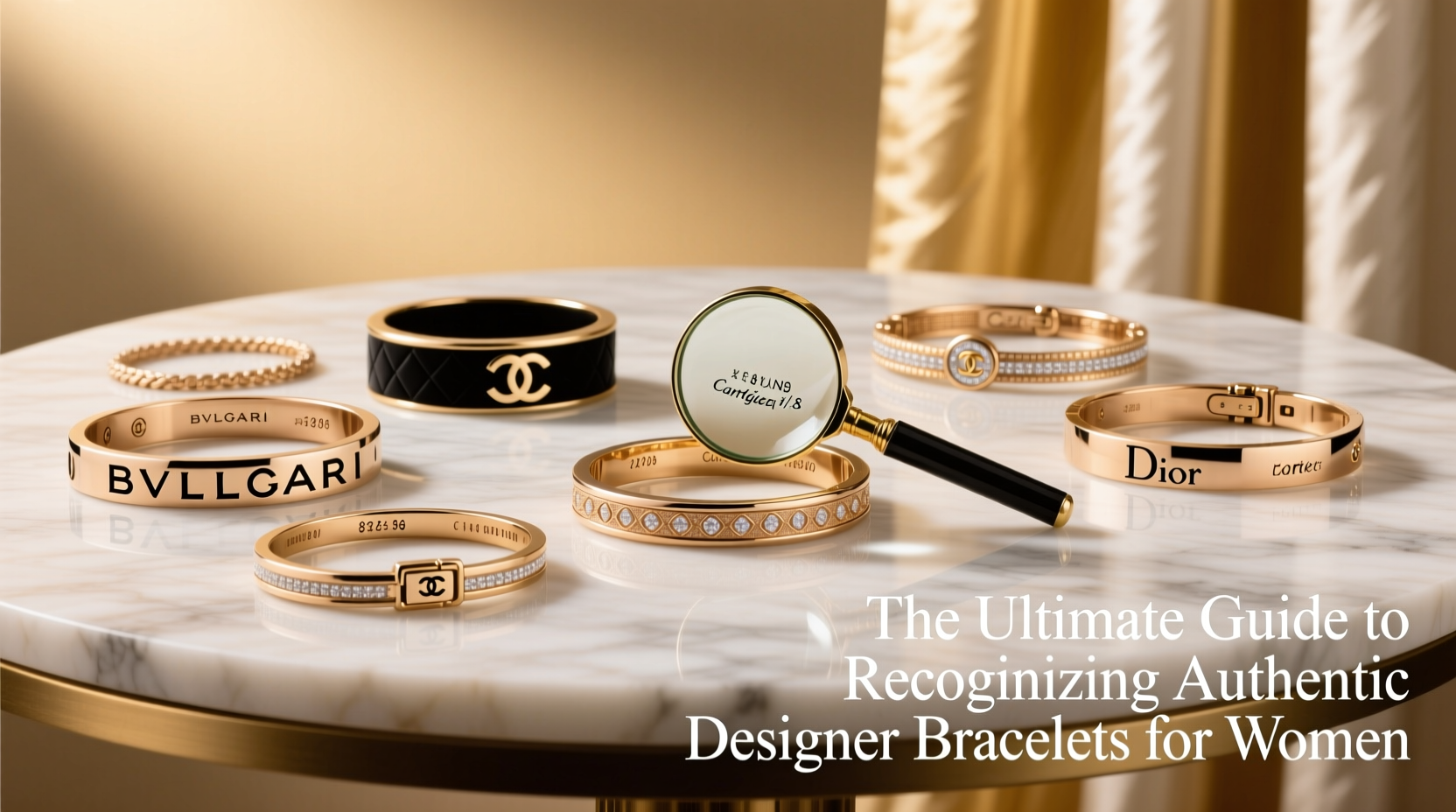
The hallmark of a true designer bracelet lies in its construction. Luxury brands invest heavily in precision engineering, hand-finishing, and quality control. Every link, clasp, and surface is meticulously crafted to meet exacting standards.
Examine the bracelet under bright light and magnification. Genuine pieces display flawless symmetry, smooth edges, and consistent polish. Look for signs of machine-made imperfections—uneven spacing between links, rough soldering, or misaligned engravings. These are telltale signs of mass-produced counterfeits.
High-end brands like David Yurman or Bulgari use proprietary weaving techniques and signature textures that are nearly impossible to replicate perfectly. For example, David Yurman’s cable design features a precise twist pattern and seamless integration of gemstone settings. Fakes often struggle to match the depth and fluidity of the original.
Materials and Weight: Clues Beneath the Surface
Luxury designers use only premium materials—solid gold, platinum, sterling silver, and ethically sourced gemstones. A common trick among counterfeiters is plating base metals to mimic the appearance of precious metals. But material authenticity reveals itself through weight, sound, and response to testing.
A real 18-karat gold bracelet will feel substantial—not overly heavy, but dense and balanced. Counterfeit versions often feel lightweight due to hollow construction or inferior alloys. Similarly, genuine sterling silver has a cool touch and faint metallic ring when lightly tapped.
| Material | Authentic Characteristics | Red Flags |
|---|---|---|
| Solid Gold (14k/18k) | Dense weight, warm luster, no green discoloration on skin | Lightweight, tarnishing, green residue |
| Sterling Silver | Soft shine, slight oxidation over time, hallmark \"925\" | Dull finish, rapid tarnish, no stamp |
| Platinum | Heavy, naturally white, scratch-resistant | Too light, yellowish tint |
| Gemstones | Natural inclusions visible under magnification | Perfect clarity, plastic-like reflection |
Be cautious of magnetic reactions. Precious metals are non-magnetic. If a bracelet sticks to a magnet, it contains iron or steel—a definitive sign of forgery.
Hallmarks, Logos, and Serial Numbers
Every authentic designer bracelet bears identifying marks: metal purity stamps, brand logos, model numbers, and sometimes serial codes. These are not stickers or surface engravings—they are deeply and precisely etched into the metal.
For instance, Cartier bracelets typically feature:
- \"750\" for 18k gold or \"585\" for 14k
- Cartier signature in specific font and size
- Unique serial number and maker’s mark
- Presentation box with matching number
Counterfeiters often get fonts wrong. Compare the logo on the bracelet to official product images from the brand’s website. Even minor discrepancies in letter spacing, curve angles, or proportions indicate a fake. Use a jeweler’s loupe to inspect engraving depth—authentic marks are crisp and clean, not shallow or blurred.
“Over 70% of ‘designer’ jewelry sold online fails basic hallmark verification.” — Elena Rodriguez, Senior Appraiser at LuxeVerify Jewelry Authentication
Step-by-Step Guide to Verifying Your Bracelet
Follow this systematic process to assess authenticity with confidence:
- Inspect the Packaging: Original boxes include branded inserts, care booklets, and authenticity cards. Generic boxes or flimsy paper bags are warning signs.
- Check the Clasp Mechanism: Designer clasps operate smoothly and securely. Cartier’s screw-lock mechanism requires a tool to open; knockoffs often use simple lobster clasps.
- Verify Metal Purity Stamps: Look for standardized hallmarks like “750,” “925,” or “PT950.” Absence or incorrect stamps suggest fraud.
- Compare Weight and Dimensions: Weigh the piece on a digital scale and compare to official specs. Significant deviation indicates counterfeit.
- Test Gemstone Authenticity: Use a jeweler’s loupe to examine stones. Real diamonds show internal flaws; synthetic ones appear too perfect.
- Consult a Professional Appraiser: When in doubt, obtain certification from a GIA-trained gemologist or authorized dealer.
Mini Case Study: The $8,000 Fake Cartier Love Bracelet
A buyer in Los Angeles purchased a Cartier Love bracelet from a third-party online marketplace for $2,200—far below retail. The seller provided photos of the box and certificate. Upon delivery, the bracelet looked correct at first glance. However, a local jeweler discovered the screws were glued in place, the “750” stamp was shallow and uneven, and the weight was 30% lighter than authentic models. Further inspection revealed the gold was merely plated brass. The buyer lost thousands and had no recourse. This case underscores the necessity of physical verification—even with seemingly complete documentation.
Avoiding Common Pitfalls: Do’s and Don’ts
| Do | Don't |
|---|---|
| Purchase from authorized retailers or directly from the brand | Buy from unverified resellers or social media sellers |
| Request a certificate of authenticity with matching serial number | Accept vague assurances like “it’s real, I promise” |
| Use a professional cleaning service for maintenance | Soak in harsh chemicals or DIY ultrasonic cleaners |
| Keep original packaging and receipts indefinitely | Discard boxes and documents after unwrapping |
| Have vintage pieces appraised before wearing | Assume age equals authenticity |
Frequently Asked Questions
Can a bracelet be authentic without a hallmark?
No. All legitimate designer jewelry sold in regulated markets must carry metal purity stamps and manufacturer identification. Exceptions are extremely rare and usually apply only to antique pieces with documented provenance.
Are vintage designer bracelets harder to authenticate?
Yes. Older pieces may have worn hallmarks or outdated designs. Always seek appraisal from specialists familiar with the brand’s historical production. Documentation such as original receipts or repair records adds credibility.
Is there an app that can verify a designer bracelet?
While some apps claim to authenticate jewelry using photo analysis, they are unreliable. No software can replace physical inspection by a trained professional. Apps may misread fonts or miss subtle construction flaws.
Conclusion: Confidence in Every Clasp
Recognizing an authentic designer bracelet requires attention to detail, knowledge of brand-specific traits, and a healthy skepticism toward deals that seem too good to be true. Whether you’re investing in your first luxury piece or expanding a curated collection, the ability to verify authenticity empowers you as a consumer.
Never underestimate the value of professional verification. A few hundred dollars spent on appraisal can save you thousands—and protect your trust in what you wear. As fashion evolves, so do counterfeiting techniques. Stay informed, stay vigilant, and let your jewelry reflect not just your taste, but your discernment.




 浙公网安备
33010002000092号
浙公网安备
33010002000092号 浙B2-20120091-4
Comments
No comments yet. Why don't you start the discussion?