
Plush keychains have evolved from simple novelties into cherished accessories—symbols of personality, fandoms, or thoughtful gifts. But not all plush keychains are built to last. Many fall apart after weeks of use: seams split, stuffing leaks, or the fabric fades under sunlight. Recognizing what sets a truly durable plush keychain apart from a disposable trinket is essential for collectors, gift-givers, and everyday users alike. This guide breaks down the tangible qualities that define lasting quality, empowering you to make informed choices and preserve your favorites for years.
Material Matters: The Foundation of Durability
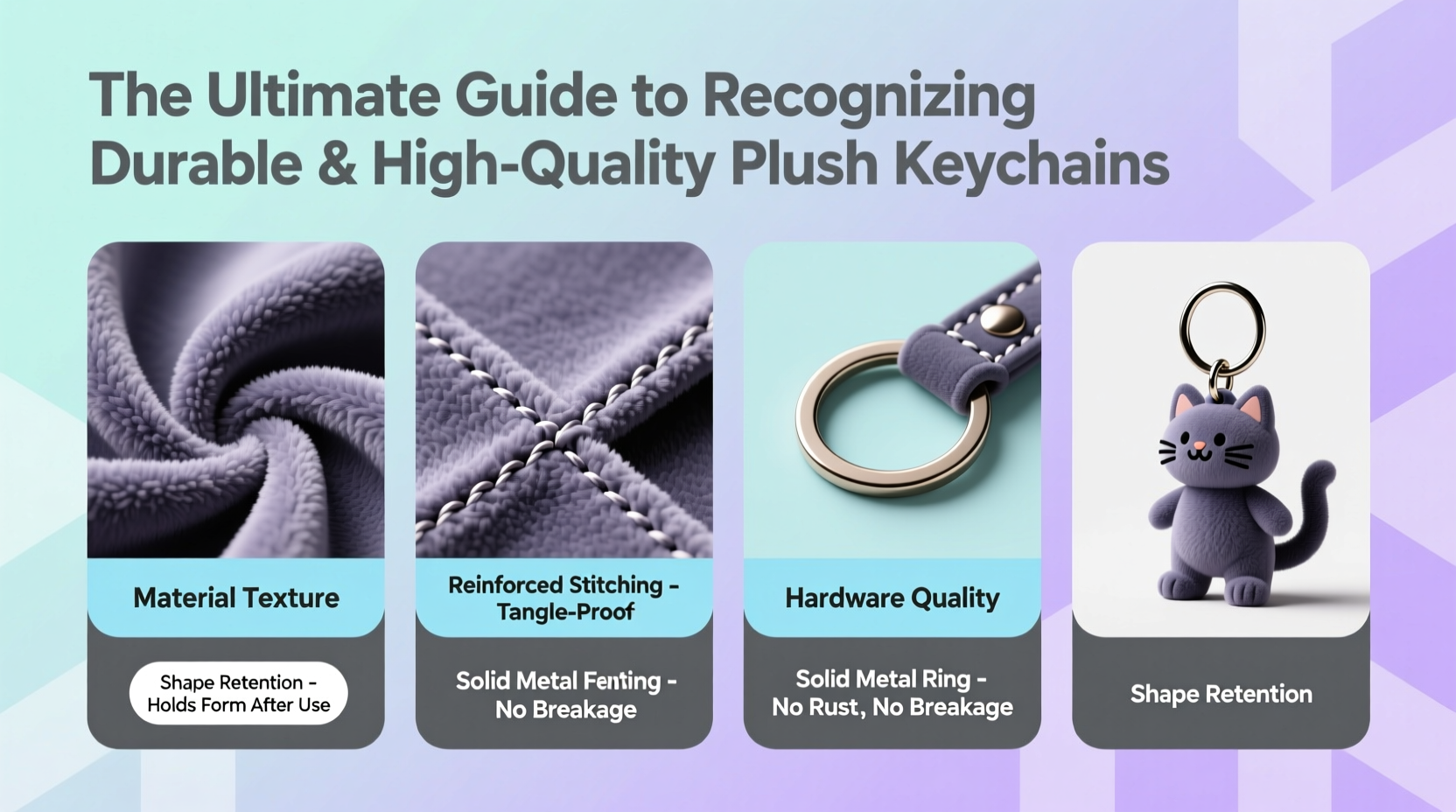
The outer fabric of a plush keychain determines its resilience to wear, washing, and environmental exposure. High-quality plush toys typically use tightly woven, premium-grade polyester or cotton-polyester blends. These materials resist pilling (the formation of small fabric balls) and maintain softness without sacrificing strength.
Cheap alternatives often use loosely spun fibers or recycled textiles that degrade quickly. Look for plush with a dense, velvety nap—this indicates a higher fiber count and tighter weave. If possible, feel the surface: it should be smooth but not slippery, with no loose threads or thin patches.
Natural fabrics like wool or organic cotton are rare in keychains due to cost and durability concerns, but when used, they should be blended with synthetic fibers for reinforcement. Always check labels for fiber composition; reputable brands are transparent about their materials.
Stitching and Seam Integrity: Where Quality Shows
No amount of soft fabric can compensate for poor construction. The stitching holds everything together—literally. A well-made plush keychain features double-stitched seams, especially around stress points like limbs, ears, and the attachment loop.
Examine the stitch density: high-quality pieces have at least 8–10 stitches per inch. Loose or irregular stitching is a red flag. Also, check whether the thread matches the fabric weight. Thin thread on thick fabric will snap under tension, while overly thick thread can tear delicate material.
The interior seam finish matters too. While most small plush items don’t have full lining, the raw edges of internal seams should be clean and secured. Zig-zag stitching or overlocking prevents fraying and adds longevity.
“Durability begins at the needle. Consistent, tight stitching is non-negotiable in high-end plush manufacturing.” — Lena Park, Textile Engineer & Toy Designer
Stuffing and Shape Retention
The filling inside a plush keychain affects both feel and lifespan. Low-density polyfill clumps, shifts, or compacts over time, leaving parts of the toy flat or lumpy. Premium plush keychains use high-resilience polyester fiberfill, which springs back after compression and maintains volume.
To test stuffing quality, gently squeeze the keychain. It should feel firm but yielding, returning to its original shape within seconds. Avoid items that feel hollow, overly hard, or uneven.
Some manufacturers mix in recycled materials to cut costs, resulting in inconsistent texture and faster degradation. Top-tier brands may use hypoallergenic, odorless, and eco-certified fillers—details often listed on packaging or product descriptions.
Key Indicators of Quality Stuffing
- Even distribution throughout the body
- No visible lumps or sagging areas
- Maintains shape after repeated squeezing
- No musty or chemical odor
Attachment Mechanism: The Weak Link You Can’t Ignore
A plush keychain is only as strong as its weakest connection—and that’s usually the metal ring or clip. Inferior hardware tarnishes, snaps, or detaches from the fabric under minimal strain.
Look for keychains with reinforced anchor points. The best designs feature a fabric loop sewn directly into the core stitching, not just tacked onto the surface. Metal components should be made of nickel-free zinc alloy or stainless steel, resistant to corrosion and breakage.
Test the joint by gently pulling the ring away from the plush. There should be no gap forming between the fabric and the thread. If the loop rotates smoothly without wobbling, it’s a good sign of secure assembly.
| Feature | High-Quality Sign | Red Flag |
|---|---|---|
| Fabric | Dense, consistent pile; no sheen or thinning | Pilling, fuzziness, or patchy texture |
| Stitching | Double-stitched, even spacing, secure knots | Loose threads, skipped stitches, single pass |
| Stuffing | Full, springy, evenly distributed | Lopsided, flat spots, or crunchy texture |
| Hardware | Sturdy metal, integrated fabric loop | Flimsy plastic, surface stitching only |
| Details | Embroidered eyes/facial features (not glued) | Plastic eyes prone to popping off |
Real-World Example: From Gift to Heirloom
Sophie received a cat-shaped plush keychain from a friend during her first year of college. Unlike others she’d owned, this one stayed intact through four years of backpacks, dorm laundry, and travel. What made the difference?
She later learned it was handmade by a small Japanese brand known for meticulous craftsmanship. The alpaca-blend fabric resisted pilling, the embroidery held firm, and the stainless-steel split ring never corroded. Even after being washed twice, the stuffing remained fluffy. Now kept in a memory box, it represents more than nostalgia—it’s proof that thoughtful design outlasts trends.
This isn’t an exception. When quality materials and skilled construction align, even the smallest plush item can endure as a meaningful keepsake.
Actionable Checklist: How to Evaluate Any Plush Keychain
Before purchasing or gifting a plush keychain, run through this checklist to ensure lasting value:
- Inspect the fabric: Feel for density and consistency; avoid shiny or rough patches.
- Check the seams: Look for double stitching and no loose threads.
- Squeeze the body: Ensure stuffing is even and resilient.
- Examine the eyes and details: Embroidery lasts longer than glued-on plastic parts.
- Test the hardware: Pull gently on the ring—no movement between fabric and thread.
- Smell the item: Off-gassing or chemical odors suggest low-grade materials.
- Review brand reputation: Research customer feedback on durability and ethics.
Frequently Asked Questions
Are expensive plush keychains always better quality?
Not always, but price often reflects material and labor investment. Extremely cheap options (under $5) typically cut corners on fabric, stuffing, and stitching. Mid-range to premium brands ($12–$25+) are more likely to prioritize durability, especially if they specialize in collectibles or designer toys.
Can I repair a damaged plush keychain?
Yes, minor damage like loose threads or small tears can be fixed with a needle and matching thread. Use a backstitch for strength. Replace broken rings with jewelry-grade split rings from craft stores. For extensive damage, consider professional textile repair services, especially for sentimental or limited-edition pieces.
How do I store plush keychains long-term?
Keep them in a cool, dry place away from direct sunlight to prevent fading. Store in breathable cotton bags or drawers—never sealed plastic, which traps moisture. Place silica gel packets nearby to deter mold in humid climates.
Conclusion: Choose Thoughtfully, Keep Forever
A high-quality plush keychain isn’t just cute—it’s constructed to endure. By understanding the signs of superior materials, precise stitching, reliable hardware, and thoughtful design, you can move beyond impulse buys and select pieces that age gracefully. Whether you're building a collection, giving a gift, or treating yourself, durability transforms a fleeting accessory into a lasting companion.




 浙公网安备
33010002000092号
浙公网安备
33010002000092号 浙B2-20120091-4
Comments
No comments yet. Why don't you start the discussion?