
Retro bowling bags have surged in popularity, not just among bowlers but as fashion statements in streetwear and vintage-inspired wardrobes. Their bold colors, geometric patterns, and nostalgic appeal make them stand out. However, with rising demand comes an influx of replicas and poorly made imitations. Knowing how to identify a truly high-quality retro bowling bag—authentic in design and built to last—is essential whether you're collecting, using, or reselling.
This guide breaks down the critical markers of authenticity and durability, helping you make informed decisions and avoid costly mistakes. From material inspection to brand history awareness, every detail matters when it comes to preserving both function and value.
Understanding What Makes a Retro Bowling Bag \"High Quality\"
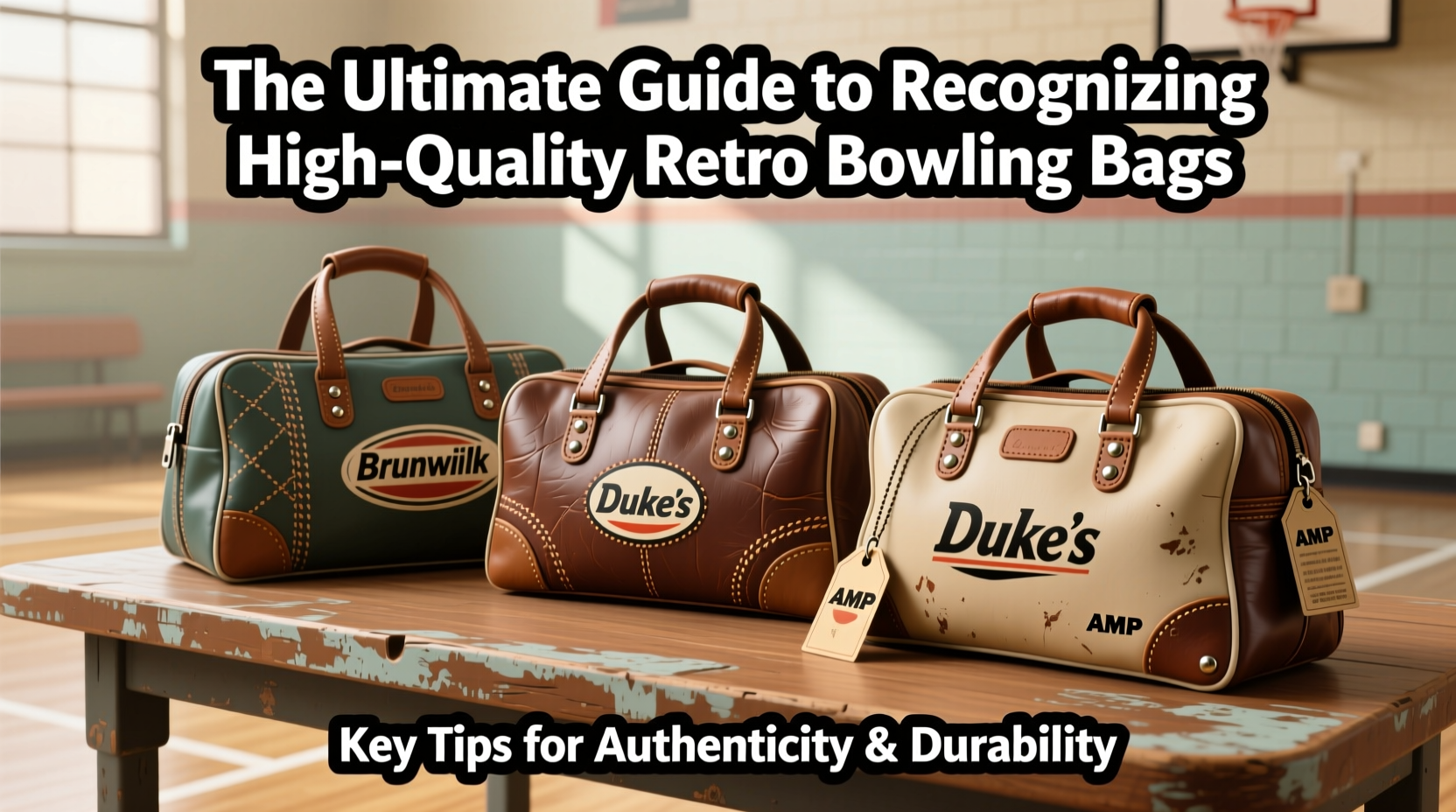
A high-quality retro bowling bag isn’t defined solely by its appearance. It’s a combination of original design integrity, construction methods, materials used, and historical accuracy. True vintage pieces from the 1960s through the 1980s were built for performance under demanding conditions—bowling alleys with temperature fluctuations, rough handling, and frequent use.
Manufacturers like AMF, Brunswick, and Etonic led the market with durable nylon exteriors, reinforced stitching, padded shoulder straps, and roomy compartments. These weren’t fashion accessories—they were functional gear designed to protect expensive bowling balls and shoes. Today, a high-quality retro-style bag replicates these features without sacrificing authenticity.
Key Indicators of Authenticity
Authenticity can be tricky, especially with reissues and modern reproductions flooding online marketplaces. To verify a bag’s legitimacy, examine the following elements closely:
- Brand Labels and Logos: Original manufacturers used specific font styles, placement (usually on the side or end flap), and tag materials. For example, vintage Brunswick bags often feature a red-and-white logo with serif lettering, while AMF used block capital letters in blue or white.
- Serial Numbers or Model Tags: Many older bags include stamped metal tags or fabric labels inside the main compartment indicating model number, production year, or factory location.
- Zippers and Hardware: YKK zippers were standard in many U.S.-made bags from the '70s onward. Metal sliders, rivets, and D-rings were common; plastic hardware is a red flag for newer reproductions.
- Stitching Pattern: Vintage bags typically feature double or triple stitching along stress points like handles and seams. The thread is thick, tightly woven, and usually matches the fabric color.
- Interior Lining: Original linings are often a contrasting color (like bright orange or yellow) and made from water-resistant taffeta or polyester. Beware of cheap satin-like fabrics found in knockoffs.
“Collectors often overlook interior details, but lining quality and label placement can instantly reveal whether a bag is period-correct.” — Derek Monroe, Vintage Sportswear Archivist
Material and Build: Assessing Long-Term Durability
Durability separates a passing trend from a lasting investment. Even if a bag looks authentic, poor materials will lead to premature wear. Here's what to inspect:
| Component | High-Quality Sign | Red Flag |
|---|---|---|
| Exterior Fabric | Heavy-duty nylon or Cordura with a tight weave | Thin, shiny polyester that wrinkles easily |
| Handles & Straps | Padded, double-stitched webbing with bar-tack reinforcement | Flat, single-layer fabric prone to fraying |
| Base | Rubberized or molded bottom panel for grip and abrasion resistance | Soft fabric base that sags or wears quickly |
| Zipper Closures | YKK or Talon zippers with smooth glide and metal teeth | Plastic zippers that jam or split under pressure |
| Seams | Double or triple stitched with no loose threads | Single stitching, uneven spacing, visible gaps |
The best retro bowling bags were engineered to withstand years of travel. If the base scrapes against concrete floors or the shoulder strap bears constant weight, only robust materials will endure. When testing a bag, gently tug at seams, open and close zippers repeatedly, and press on the base to check rigidity.
Step-by-Step Guide to Evaluating a Retro Bowling Bag
Follow this practical timeline when assessing any retro bowling bag—whether shopping online or in person:
- Research the Brand and Era: Know which companies produced bags during specific decades. For instance, Etonic was prominent in the 1970s, while Nike entered the market in the late '80s.
- Inspect the Exterior: Check for consistent color fading (indicative of age), original logos, and fabric texture. Avoid items with peeling prints or mismatched panels.
- Examine Stitching and Seams: Use a magnifying glass if needed. Tight, even stitches with no skipped areas signal professional manufacturing.
- Test Zippers and Closures: Open and close each zipper multiple times. They should move smoothly without catching.
- Check Interior Components: Look for manufacturer tags, serial numbers, and lining condition. Water stains, mold, or patched areas reduce value.
- Assess Smell and Texture: Old nylon may have a faint musty odor, but strong mildew or chemical smells suggest poor storage or damage.
- Verify Provenance (if possible): Ask for documentation, original receipts, or photos showing the bag in use during its era.
Real Example: How One Collector Avoided a Costly Replica
Jamal Thompson, a vintage accessory dealer from Portland, once nearly purchased a “vintage” AMF bag listed on a popular resale site. The photos showed the classic red stripe and logo, and the price was reasonable. But something felt off.
He requested additional images and noticed the interior lining had a glossy finish—uncommon for 1970s models. Upon closer inspection, the stitching near the handle was single-threaded, and the zipper pull said “Made in China” underneath. The seller claimed it was “refurbished,” but Jamal knew original AMF bags from that era were made in the USA.
He passed on the deal. Later, he learned the same listing appeared across three platforms with swapped backgrounds—a common sign of mass-produced fakes. His attention to detail saved him $350 and preserved his reputation among clients who rely on authentic finds.
Essential Checklist Before You Buy
Use this concise checklist to ensure your retro bowling bag meets quality standards:
- ✅ Brand logo matches historical style and placement
- ✅ Made from heavy-duty nylon or similar industrial-grade fabric
- ✅ Features reinforced stitching at all stress points
- ✅ Includes original or accurate reproduction hardware (zippers, buckles, feet)
- ✅ Has a rigid or rubberized base for protection
- ✅ Interior has correct lining type and includes identifying tags
- ✅ No signs of excessive wear, mold, or structural damage
- ✅ Weight feels appropriate—too light suggests cheap materials
Frequently Asked Questions
Are reissued retro bowling bags worth buying?
Yes, if they’re made by the original manufacturer or a licensed partner. Modern reissues from brands like K-Swiss or new collections inspired by vintage AMF often use updated materials while honoring classic designs. Just don’t expect collector’s value unless it’s a limited edition.
How can I tell if a bag is restored or altered?
Look for inconsistencies: mismatched thread colors, replacement zippers with different branding, or non-original patches. Restoration isn’t always bad—some repairs extend usability—but full disclosure should be provided by the seller.
Do all authentic retro bowling bags come with ball compartments?
Most do, especially those made after the mid-1960s. Early models might only have shoe sections, but by the 1970s, dual-compartment designs were standard. Absence of a ball sleeve could indicate a fashion replica rather than a true bowling bag.
Maintaining Your Investment
Once you’ve acquired a high-quality retro bowling bag, proper care ensures longevity. Clean the exterior with a damp cloth and mild soap; never machine wash. Store it in a cool, dry place with slight stuffing (tissue paper or soft towels) to maintain shape. Avoid prolonged sun exposure, which fades vibrant retro dyes.
“Consistent care and proper storage can double a bag’s lifespan.” — Emma Clarke, Fashion Care Expert
Final Thoughts
Recognizing a high-quality retro bowling bag goes beyond nostalgia. It requires a discerning eye for materials, construction, and historical accuracy. Whether you're drawn to the aesthetic or seeking a functional piece with character, understanding what defines authenticity and durability empowers smarter choices.




 浙公网安备
33010002000092号
浙公网安备
33010002000092号 浙B2-20120091-4
Comments
No comments yet. Why don't you start the discussion?