
Have you ever purchased a new garment only to find a bulky, stubborn sensor still attached? Whether it’s a magnetic tag on a sweater or a plastic security device on jeans, these small components are designed to prevent theft—but they can be frustrating when not removed at checkout. While most retailers handle this step before customers leave the store, mistakes happen. If you've taken a tagged item home, don’t panic. With the right approach, you can remove clothing sensors safely and effectively without ruining your favorite piece.
This comprehensive guide walks you through everything you need to know—from identifying sensor types to using household tools for clean removal—all while minimizing damage and avoiding unnecessary risks.
Understanding Clothing Sensor Types
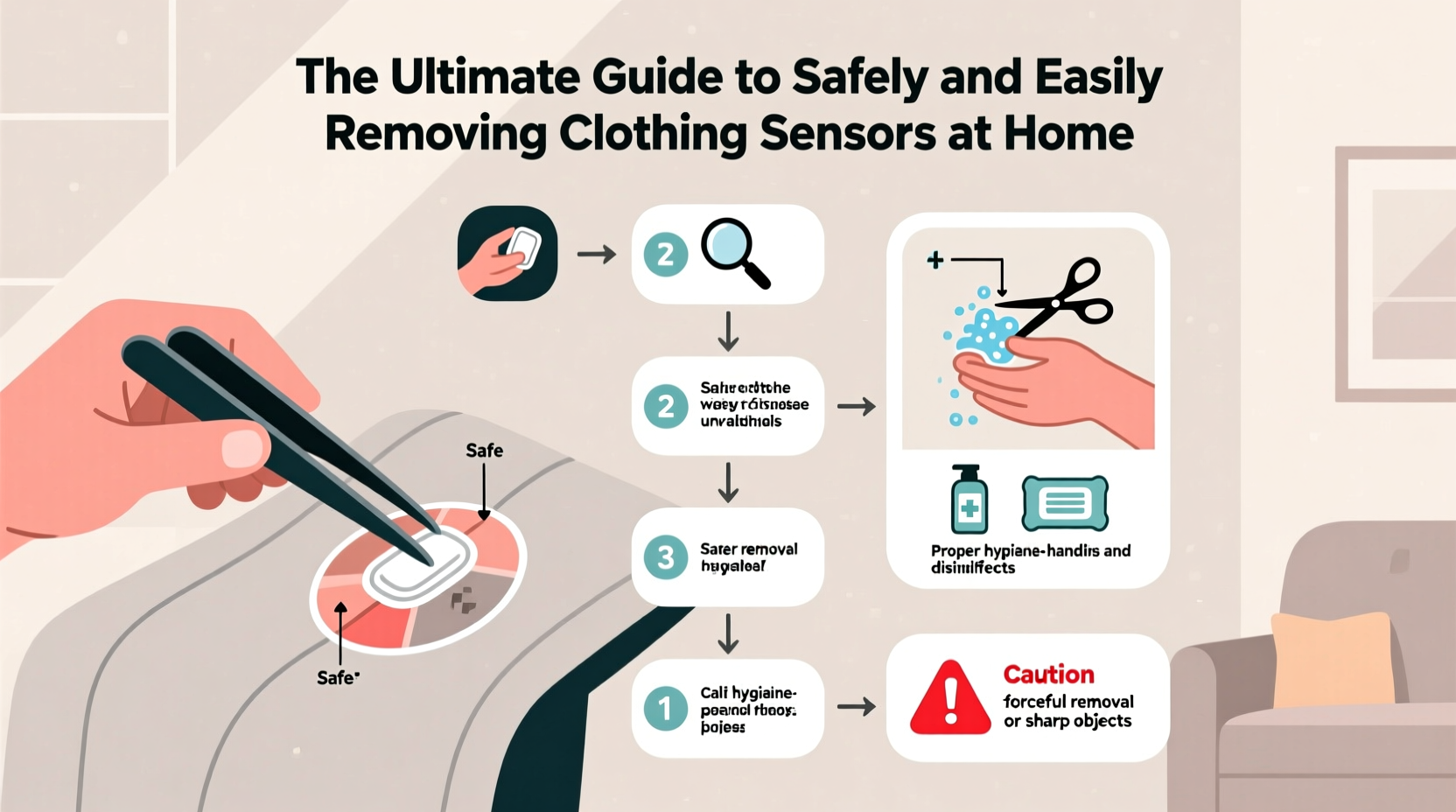
Clothing sensors come in several varieties, each requiring a slightly different removal method. Knowing what type you're dealing with is the first step toward safe removal.
- Hard tags: These are rigid, often circular plastic devices clipped onto seams or fabric. They contain magnets or locking mechanisms that require a special detacher tool.
- Soft tags (RFID labels): Thin, adhesive-backed strips embedded with radio-frequency identification chips. Usually sewn into care labels or hidden in linings.
- Magnetic tags: Small metal-based units that attach via strong internal magnets. Commonly used on high-end apparel and accessories.
- Electronic article surveillance (EAS) tags: Found inside packaging or pinned to garments; may trigger alarms if not deactivated or removed.
Step-by-Step Guide to Removing Common Sensors
Follow this structured process to remove most clothing sensors at home safely and efficiently.
- Inspect the garment carefully. Locate the sensor and determine its type. Check near the neckline, side seams, waistband, or care label.
- Check for return eligibility. If the tag wasn't removed by the retailer, consider returning the item for professional service—this avoids liability and ensures proper handling.
- Gather basic tools: flathead screwdriver, needle-nose pliers, tweezers, scissors, and a small magnet (neodymium works best).
- For hard tags: Place the flat edge of a screwdriver between the two halves of the tag. Apply steady pressure until the locking mechanism releases. Some tags have a small hole where a bent paperclip can depress an internal pin.
- For magnetic tags: Use a strong magnet placed beneath the fabric to pull the inner component outward, disengaging the clasp.
- For soft RFID tags: Carefully cut the stitching around the label using fine scissors. Avoid cutting wires if visible. Peel away gently once loose.
- Clean up afterward: Remove any residual adhesive with rubbing alcohol and a cotton swab. Inspect the area for snags or punctures.
What Not to Do
| Action | Risk | Better Alternative |
|---|---|---|
| Using excessive force | Tears fabric or distorts stitching | Use precision tools and gentle pressure |
| Heating the tag (e.g., with a hairdryer) | May melt plastic or damage delicate fabrics | Stick to mechanical release methods |
| Cutting directly into the tag | Exposes sharp metal parts; may damage garment | Disengage the lock instead of slicing open |
| Leaving adhesive residue | Attracts dirt and weakens fibers over time | Clean with isopropyl alcohol after removal |
Real-Life Example: Removing a Tag from a Wool Coat
Sarah bought a winter coat online, excited to wear it during an upcoming trip. When she unpacked it, she noticed a large circular hard tag still attached near the collar. The brand’s customer service was unresponsive, and the return window had closed. Determined not to ruin the expensive wool blend fabric, Sarah researched removal techniques.
She found a YouTube tutorial showing how to use a flathead screwdriver to pop open similar tags. After sterilizing the tool and placing a folded cloth under the tag to protect the fabric, she applied slow, even pressure. With a soft click, the two halves separated. She saved the tag in case she needed proof of purchase later and cleaned the tiny puncture site with alcohol. The coat looked untouched—and passed through airport security without issue.
“Many modern security tags are designed to be removable with minimal tools—knowledge is more important than brute strength.” — James Lin, Retail Loss Prevention Consultant
Essential Tips for Safe Removal
Quick Checklist: Safe Sensor Removal at Home
- ✅ Identify the sensor type before acting
- ✅ Try returning the item first if possible
- ✅ Use non-damaging tools: screwdriver, pliers, magnet
- ✅ Work slowly and apply controlled pressure
- ✅ Protect the garment with padding underneath
- ✅ Clean the area post-removal
- ✅ Save the original tag temporarily
Frequently Asked Questions
Can I remove a security tag with a magnet?
Yes, many magnetic tags can be disengaged using a strong neodymium magnet. Place the magnet directly against the tag—usually the inner component will slide out or release. This method works best on jackets, handbags, and denim with accessible tags.
Will removing a sensor damage my clothes?
If done correctly, damage is minimal or invisible. Hard tags typically leave two small puncture points, which are barely noticeable on thicker fabrics. Delicate materials like chiffon or lace carry higher risk, so extra caution is advised—or consider professional alteration help.
Is it legal to remove security tags from purchased clothing?
Yes, as long as the item has been legitimately purchased and paid for. Once ownership transfers to you, you have the right to modify or maintain the product. However, attempting to remove tags from unpaid merchandise is illegal and considered tampering.
Final Thoughts and Action Steps
Removing clothing sensors at home doesn’t have to be stressful or risky. Armed with the right information, basic tools, and a calm approach, you can preserve both your garment and peace of mind. Remember: patience pays off. Rushing increases the chance of tears, stains, or injury from sharp components.
Start by assessing the tag type and condition of the fabric. Whenever possible, contact the retailer first—many offer mail-in services or replacement guarantees. But if you’re confident and equipped, follow the steps outlined here to achieve a clean, professional result.




 浙公网安备
33010002000092号
浙公网安备
33010002000092号 浙B2-20120091-4
Comments
No comments yet. Why don't you start the discussion?