
Fabric cat toys are a staple in most feline households—soft, crinkly, stuffed with catnip, or shaped like prey animals, they provide essential mental stimulation and physical activity. But over time, these toys accumulate fur, saliva, dirt, and bacteria. Regular cleaning isn’t just about appearance; it’s crucial for your cat’s health. Yet many pet owners hesitate, fearing damage to the toy or using unsafe products around their pets. This guide delivers a comprehensive, safe approach to cleaning fabric cat toys at home—without harsh chemicals or guesswork.
Why Cleaning Fabric Cat Toys Matters
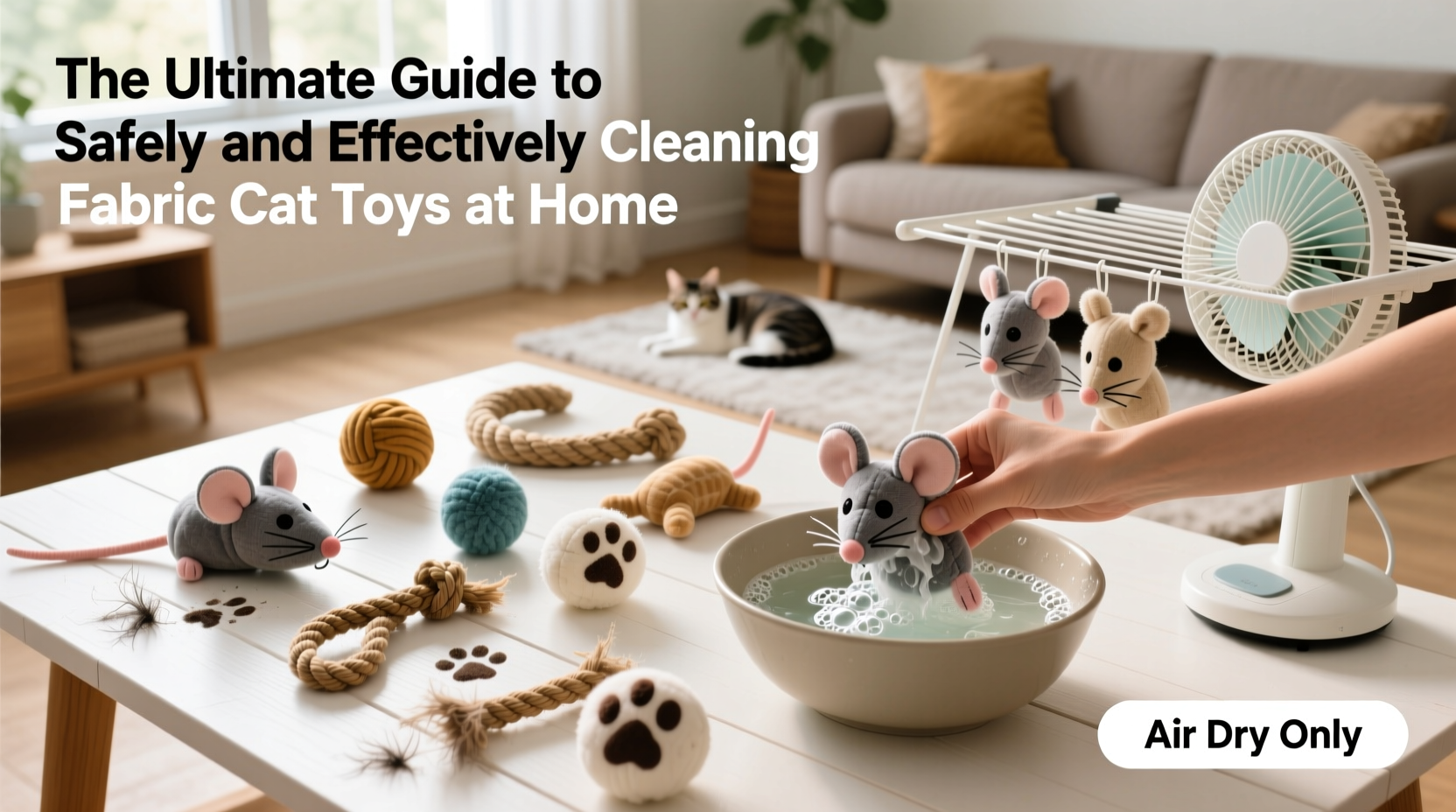
Cats groom themselves meticulously, but they also transfer oils, dander, and outdoor contaminants onto toys they chew, bat, and carry. Over weeks of play, fabric toys become breeding grounds for bacteria, mold, and allergens. A study by the American Pet Products Association found that 68% of pet owners never wash soft pet toys, despite frequent use. This neglect can lead to skin irritations, respiratory issues, or even gastrointestinal problems if a cat ingests contaminated fibers.
Regular cleaning extends the life of toys, maintains their appeal, and ensures your cat continues to enjoy them safely. Unlike hard plastic or rubber toys, fabric items absorb moisture and odors, making proper drying and gentle detergents essential.
Step-by-Step Guide to Washing Fabric Cat Toys
Not all fabric toys are created equal. Some contain electronic components, squeakers, or delicate stuffing. Always check labels or manufacturer instructions first. If none exist, follow this universal method designed for safety and effectiveness.
- Sort and Inspect: Separate toys by material and construction. Remove any loose threads or damaged seams. Discard toys with exposed stuffing or sharp edges.
- Pre-Treat Stains: Use a small amount of pet-safe stain remover or a paste of baking soda and water on visible grime. Gently rub with a soft cloth.
- Choose Your Method: Decide between hand washing or machine washing based on toy durability (see table below).
- Wash with Care: Use cold or lukewarm water and a mild, fragrance-free detergent. Avoid bleach or fabric softeners, which can irritate your cat’s skin.
- Rinse Thoroughly: Residual soap can cause itching or licking behavior. Rinse until water runs clear.
- Dry Completely: Air dry flat in a well-ventilated area away from direct sunlight. Do not use a dryer unless the toy label explicitly allows it.
- Final Check: Once dry, inspect for lingering odors, stiffness, or damage before returning to your cat.
Hand Washing vs. Machine Washing: When to Use Each
| Method | Best For | Avoid If | Tips |
|---|---|---|---|
| Hand Washing | Toys with catnip, delicate fabrics, glued parts, or handmade items | Extremely soiled toys needing deep sanitization | Use a basin with warm water and gentle agitation. Soak for 15 minutes max. |
| Machine Washing | Durable plush toys without electronics or squeakers | Loose stitching, old toys, or those with foam inserts | Place in a mesh laundry bag on gentle cycle. Cold water only. |
Safe Cleaning Agents for Cat-Safe Results
Human-grade detergents often contain essential oils, perfumes, or enzymes toxic to cats. Even residual scents can trigger allergic reactions or obsessive grooming. The safest options are simple and natural.
- Vinegar Solution (1:4 vinegar to water): Natural disinfectant that removes odors without toxicity. Rinse thoroughly.
- Baking Soda: Deodorizes and gently scrubs stains. Mix with water into a paste for spot treatment.
- Pet-Safe Detergent: Choose fragrance-free, dye-free formulas labeled safe for pets (e.g., Seventh Generation Free & Clear).
- Hydrogen Peroxide (3%): Effective for disinfecting heavily soiled toys. Use sparingly and rinse extremely well.
“Cats have highly sensitive respiratory and dermal systems. Any chemical residue left on toys can lead to chronic health issues.” — Dr. Lena Torres, DVM, Feline Wellness Specialist
Real Example: How One Owner Prevented Recurring Skin Irritation
Sarah from Portland noticed her cat, Milo, was scratching excessively around his neck and face after play sessions. She switched shampoos and changed his bedding, but the issue persisted. After consulting her vet, she learned that Milo’s favorite crinkle ball—a fleece-covered toy he carried everywhere—hadn’t been washed in months. It tested positive for mold and high bacterial load.
Following a strict biweekly cleaning routine using hand washing with vinegar solution and air drying, Sarah saw improvement within two weeks. Milo stopped scratching, and his coat regained its shine. The case highlights how overlooked toys can silently impact feline health.
Essential Checklist for Safe Toy Maintenance
Keep this checklist handy for monthly toy care:
- ✅ Inspect all fabric toys for wear, loose parts, or stuffing exposure
- ✅ Sort toys by washability (hand vs. machine)
- ✅ Pre-treat stains with baking soda or pet-safe cleaner
- ✅ Wash using cold water and fragrance-free detergent
- ✅ Disinfect with diluted vinegar or hydrogen peroxide as needed
- ✅ Air dry completely—never damp-store
- ✅ Refresh catnip toys with fresh organic catnip post-wash
- ✅ Rotate toys weekly to reduce buildup and maintain interest
Frequently Asked Questions
How often should I wash fabric cat toys?
Light-use toys should be cleaned every 3–4 weeks. High-use or drool-prone toys (like chewables) need washing every 7–10 days. Immediate washing is necessary if visibly soiled or after illness.
Can I use a dryer to speed up drying?
Only if the manufacturer’s label specifically allows it. Most fabric toys shrink, melt glue, or deform under heat. Air drying is safest and preserves structural integrity.
What if my cat refuses a toy after washing?
Cats bond with the scent of their toys. Washing removes familiar odors. To re-engage interest, rub the clean toy on your cat’s cheek glands (located near the mouth) to transfer their scent, or add a pinch of fresh catnip.
Final Thoughts and Action Plan
Cleaning fabric cat toys isn’t just housekeeping—it’s preventive healthcare. With minimal time and the right techniques, you can eliminate hidden hazards and keep your cat playing safely. The key is consistency, using non-toxic agents, and respecting the material limits of each toy.
Start today: gather all fabric toys, sort them, and clean one batch using the steps outlined here. Set a recurring calendar reminder every two weeks to inspect and rotate. Your cat may not thank you in words, but their bright eyes, healthy coat, and joyful pounces will speak volumes.




 浙公网安备
33010002000092号
浙公网安备
33010002000092号 浙B2-20120091-4
Comments
No comments yet. Why don't you start the discussion?