
Labs are beloved for their friendly nature and glossy coats, but they come with a well-known downside: shedding. These dogs are prolific shedders year-round, with peak shedding seasons in spring and fall. While you can't stop the process entirely, you can significantly reduce loose fur, minimize household mess, and support your dog’s skin and coat health through proper at-home deshedding. When done correctly, deshedding isn’t just about cleanliness—it’s an essential part of your Lab’s grooming and wellness routine.
Understanding Your Lab’s Coat and Shedding Cycle
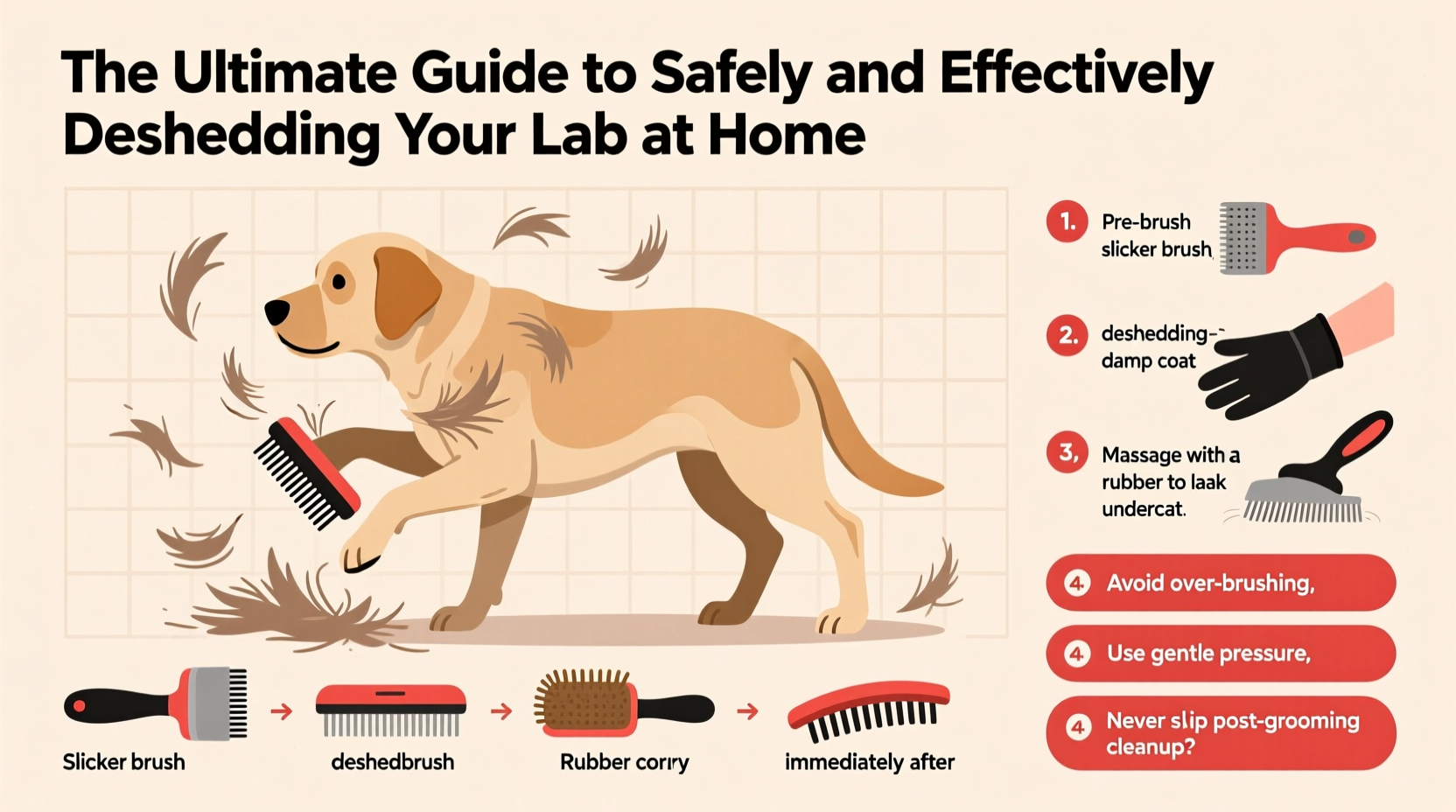
Labs have a double coat consisting of a dense, soft undercoat and a coarser outer layer of guard hairs. The undercoat provides insulation, keeping them warm in winter and cool in summer. Seasonal temperature changes trigger hormonal shifts that prompt the undercoat to shed in large quantities—this is known as \"blowing the coat.\"
While Labs shed consistently throughout the year, expect heavier shedding twice annually. During these periods, daily brushing becomes crucial. Ignoring this cycle leads to matted fur, uncomfortable tangles, and increased hair accumulation around your home.
“Regular deshedding doesn’t just reduce mess—it prevents skin irritation and allows natural oils to distribute evenly across the coat.” — Dr. Rebecca Langston, DVM, Canine Dermatology Specialist
Essential Tools for Effective At-Home Deshedding
Using the right tools makes all the difference between a frustrating session and a smooth, productive one. Not all brushes work equally well on a double-coated breed like the Labrador.
| Tool | Purpose | Recommended Frequency |
|---|---|---|
| Undercoat Rake (e.g., Furminator, SleekEZ) | Removes loose undercoat without cutting topcoat | 1–2 times per week (daily during heavy shed) |
| Slicker Brush | Detangles surface knots and removes debris | 2–3 times weekly |
| Rubber Curry Brush | Massages skin and lifts dead hair; great for bath time | During every bath |
| Pin Brush | Finishing tool for smoothing the outer coat | After deshedding sessions |
| High-Velocity Dog Dryer | Dries coat quickly and loosens dead undercoat | After bathing |
Step-by-Step Guide to Deshedding Your Lab at Home
A structured approach ensures thorough results without stressing your dog or harming their coat. Follow this timeline for best outcomes:
- Prepare the Environment: Choose a well-lit, easy-to-clean area like a bathroom, garage, or outdoor patio. Lay down a towel or mat to catch loose fur.
- Inspect the Coat: Run your hands over your dog’s body to check for mats, hot spots, or skin issues. Address any problems before brushing.
- Start with a Slicker Brush: Gently go over the entire coat to remove surface tangles and debris. Use short, overlapping strokes, following the direction of hair growth.
- Use the Undercoat Rake: Work in sections—back, sides, flanks, neck—applying light pressure. Pull the rake in the direction of hair growth. Focus on areas where the undercoat is thickest, such as behind the ears and along the chest.
- Address Problem Areas Carefully: If you encounter mats, don’t pull. Instead, hold the base of the mat near the skin and gently work it apart with your fingers or a detangling spray. Severe mats may require professional trimming.
- Finish with a Rubber Brush or Pin Brush: This smooths the coat and removes any remaining loose hairs, leaving the fur sleek and polished.
- Wipe Down and Reward: Use a damp cloth to wipe off residual fur and dust. Offer praise and a treat to create a positive association.
During peak shedding, repeat this process every other day. In low-shedding months, once-weekly maintenance keeps things under control.
Common Mistakes to Avoid
Even well-meaning owners make errors that compromise coat health or cause discomfort. Be mindful of these pitfalls:
- Overuse of deshedding tools: Using a Furminator-style tool daily can thin the coat excessively and irritate the skin. Stick to recommended frequency.
- Bathing too often: More than once every 6–8 weeks strips natural oils, leading to dry skin and increased shedding.
- Shaving the coat: Never shave a double-coated dog. It disrupts thermoregulation and can cause permanent coat damage or alopecia.
- Skipping brushing when the dog is wet: Wet fur hides tangles. Always brush thoroughly before and after baths.
- Ignoring diet and hydration: Poor nutrition directly impacts coat quality. Omega-3 and omega-6 fatty acids are vital for healthy skin and reduced shedding.
Nutrition and Lifestyle: Supporting Coat Health from Within
No amount of brushing compensates for poor internal health. A shiny, resilient coat starts with what your Lab eats.
Choose high-quality dog food rich in animal-based proteins and essential fatty acids. Supplements like fish oil or flaxseed can improve coat texture and reduce excessive shedding. Ensure your dog stays hydrated—dry skin sheds more.
Additionally, regular exercise improves circulation, which supports healthy hair follicles. Stress reduction also plays a role—dogs under anxiety or environmental stress may shed more.
Mini Case Study: Managing Max’s Spring Shedding
Max, a 4-year-old yellow Lab from Ohio, used to leave clumps of fur everywhere each April. His owner, Sarah, initially brushed him once a week with a basic bristle brush. After consulting her groomer, she upgraded her toolkit and adjusted her routine.
She introduced a Furminator deShedding Tool and began brushing Max every other day during peak season. She paired this with bi-weekly baths using an oatmeal-based shampoo and added a fish oil supplement. Within three weeks, visible shedding dropped by nearly 70%. Her vacuum runs less often, and Max’s coat looks fuller and shinier than ever.
The key wasn’t one magic fix—it was consistency, the right tools, and holistic care.
Checklist: Your At-Home Deshedding Routine
Keep this checklist handy for every session:
- ☑ Gather tools: slicker brush, undercoat rake, pin brush, detangler spray
- ☑ Choose a clean, comfortable space
- ☑ Inspect coat and skin for issues
- ☑ Brush in sections, starting from head to tail
- ☑ Use the undercoat rake gently—no aggressive scraping
- ☑ Remove tangles carefully; never cut with scissors
- ☑ Finish with a smoothing brush
- ☑ Reward your dog with praise or a treat
- ☑ Clean tools afterward to prevent bacteria buildup
Frequently Asked Questions
How often should I deshed my Lab?
During heavy shedding seasons (spring and fall), aim for every other day. For the rest of the year, brushing 1–2 times per week is sufficient to manage loose fur and maintain coat health.
Can I use a human vacuum cleaner to remove loose fur?
It’s not recommended. Human vacuums aren’t designed for pet hair and can clog or overheat. Use a pet-safe vacuum with HEPA filtration, or better yet, brush your dog outdoors or in a space where cleanup is easy.
Is it normal for my Lab to shed year-round?
Yes. Labs are continuous shedders due to their double coat. You’ll notice consistent light shedding, with dramatic increases twice a year. Year-round shedding doesn’t indicate a health problem unless accompanied by bald patches, redness, or excessive scratching.
Final Thoughts: Make Deshedding a Ritual, Not a Chore
Deshedding your Lab at home isn’t just about keeping your furniture fur-free—it’s an act of care that strengthens your bond and supports your dog’s physical comfort. With the right tools, timing, and technique, you can transform this routine into a calming, shared ritual. Your Lab will enjoy the attention, and you’ll enjoy a cleaner home and a healthier, happier companion.




 浙公网安备
33010002000092号
浙公网安备
33010002000092号 浙B2-20120091-4
Comments
No comments yet. Why don't you start the discussion?