
An iced out Cuban chain is more than just jewelry—it’s a statement. Whether it’s crafted in solid gold, plated metal, or set with diamonds and cubic zirconia, its brilliance demands attention. But with that shine comes responsibility. Daily wear exposes your chain to sweat, oils, lotions, and environmental pollutants, all of which dull its luster over time. Improper care can lead to tarnishing, breakage, or even permanent stone loss. The good news: with the right techniques, you can keep your Cuban link chain looking showroom-fresh without risking damage.
Understanding Your Chain’s Composition
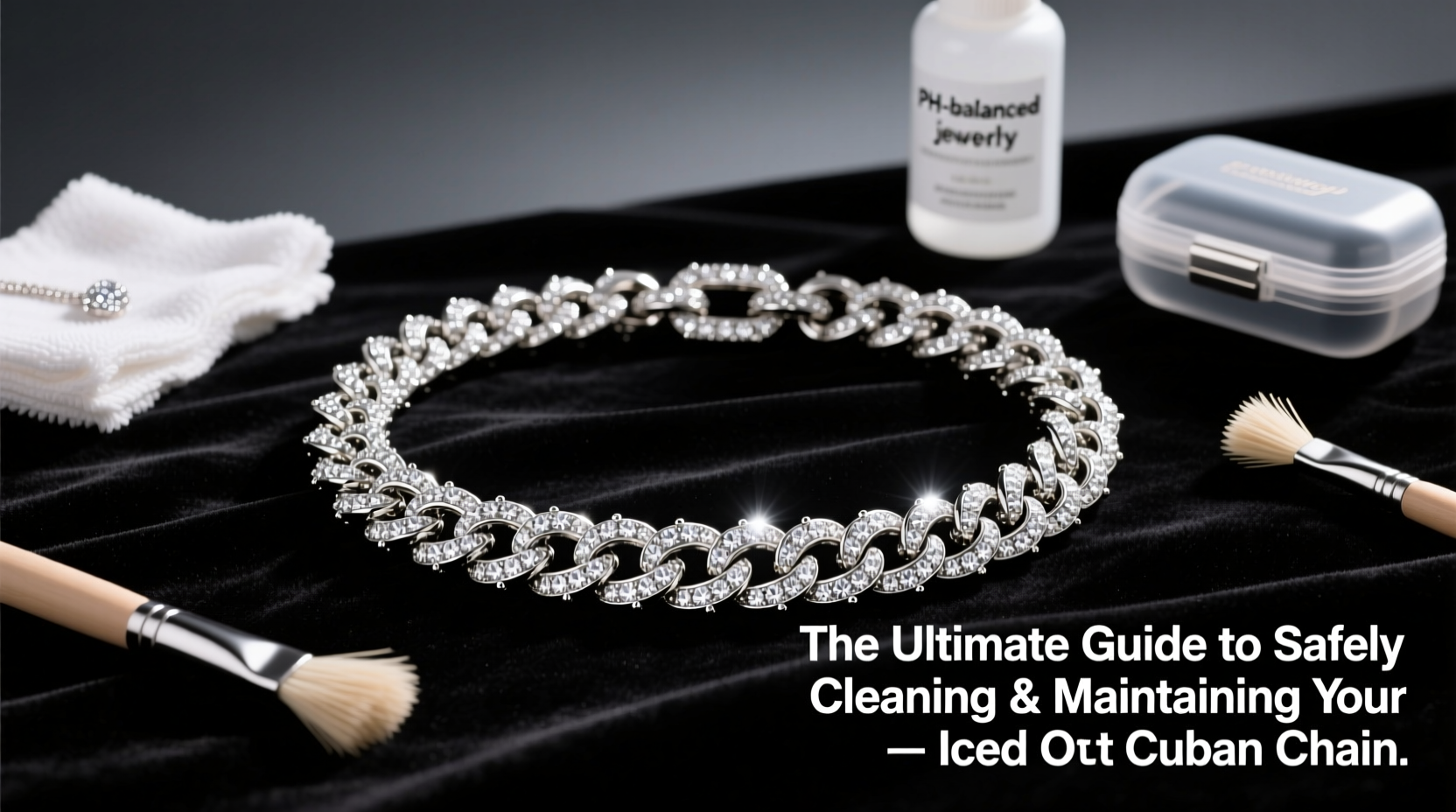
Before you clean, know what you’re working with. Cuban chains vary widely in material, and each type requires specific care:
- Solid Gold (10K–24K): Durable but softens at higher karats. Resists tarnish but can scratch.
- Gold-Plated or PVD-Coated: A base metal (like brass or stainless steel) covered in a thin layer of gold. Vulnerable to chipping if scrubbed aggressively.
- Silver or Sterling Silver: Prone to tarnishing due to sulfur exposure. Requires frequent polishing.
- Diamond-Set or CZ-Encrusted Chains: Stones can loosen if impacted or exposed to harsh chemicals.
Mixing materials increases complexity. For example, a white gold Cuban chain with micro-pave diamonds needs gentler treatment than a plain yellow gold version. Always check manufacturer guidelines if available. When in doubt, assume your piece is delicate and proceed conservatively.
“Many people ruin expensive chains by treating them like costume jewelry. A $5,000 piece deserves museum-level care.” — Rafael Mendez, Master Jeweler & Founder of RM Fine Jewelry Studio
Step-by-Step Cleaning Process for Maximum Shine
Cleaning an iced out Cuban chain isn’t complicated, but skipping steps or using the wrong tools can cause irreversible harm. Follow this professional-grade routine monthly—or biweekly if worn daily.
- Remove the chain carefully. Unclasp it gently to avoid stressing the links. Lay it on a soft, lint-free cloth to prevent scratches.
- Inspect for damage. Check each link for bending, fraying, or loose stones. If any part looks weak, stop and consult a jeweler before proceeding.
- Prepare a cleaning solution. Mix one tablespoon of mild dish soap (phosphate-free) with one cup of warm distilled water. Avoid bleach, ammonia, or alcohol-based cleaners—they erode metals and weaken prongs.
- Soak for 15–20 minutes. Submerge the chain fully. This loosens grime trapped between tightly woven links.
- Brush gently with a soft toothbrush. Use a dedicated jewelry brush or unused soft-bristle toothbrush. Focus on crevices where dirt accumulates. Never use metal brushes or abrasive pads.
- Rinse under lukewarm running water. Hold the chain with one hand while rinsing to prevent accidental drops. Ensure all soap residue is gone.
- Air-dry on a microfiber towel. Do not rub. Let it sit flat for 30–60 minutes until completely dry. Patting can snag delicate settings.
- Polish lightly (optional). For gold or silver chains, use a jewelry polishing cloth—never liquid polish unless recommended by a professional.
Do’s and Don’ts: Best Practices Table
| Do’s | Don’ts |
|---|---|
| Store in a fabric-lined jewelry box or pouch | Leave it exposed to air or sunlight for long periods |
| Fasten the clasp when storing to prevent tangling | Toss it into a drawer loose with other jewelry |
| Use a silicone cleaning bowl to avoid sink accidents | Clean over an open drain |
| Have it professionally inspected every 6–12 months | Ignore signs of loose stones or stretched links |
| Wipe with a dry cloth after each wear | Use paper towels or rough fabrics that scratch |
Real-World Example: How One Artist Saved His Signature Piece
DJ Remy Blaze wears a 24-inch, 18K gold Cuban chain studded with black diamonds during every performance. After six months of nightly shows, he noticed the links had dulled and two stones felt loose. Instead of continuing to wear it, he paused usage and took it to his jeweler. They found corrosion from sweat buildup and re-tensioned the prongs. He now follows a strict post-show routine: wipe down with a treated cloth, store in a sealed case, and deep-clean every three weeks. Two years later, the chain still shines like new. “I treat it like my stage mic,” he said. “If it fails, the whole show suffers.”
Essential Maintenance Checklist
Staying proactive prevents costly repairs. Print or save this checklist and review monthly:
- ✅ Inspect for loose stones, bent links, or clasp weakness
- ✅ Clean using gentle soap and soft brush method
- ✅ Dry thoroughly before storage
- ✅ Store separately in a padded container
- ✅ Schedule annual professional inspection and tightening
- ✅ Rotate wear if you own multiple chains to reduce strain
- ✅ Avoid contact with perfumes, lotions, and chlorine
Frequently Asked Questions
Can I use an ultrasonic cleaner on my Cuban chain?
Only if it’s solid gold or platinum with securely set stones. Ultrasonic vibrations can loosen micro-pave or channel-set gems. Gold-plated or hollow chains may delaminate. When in doubt, skip it.
How often should I get my chain professionally cleaned?
Twice a year is ideal for daily-wear pieces. Professionals use steam cleaning and precision tools to reach areas brushing can’t, and they inspect structural integrity.
Why does my gold-plated chain look patchy after cleaning?
This usually means the plating has worn off due to friction or chemical exposure. Once plating chips, it cannot be reversed at home. Consider re-plating through a jeweler.
Preserving Value and Longevity
Your Cuban chain isn’t just fashion—it’s an investment. Solid gold retains value, and craftsmanship appreciates over time if maintained well. Even fashion-grade pieces hold sentimental worth. Protect both by avoiding extreme temperatures, minimizing friction, and documenting ownership with photos and appraisals. Register high-value items with your homeowner’s insurance or a personal valuables policy.
Environmental factors matter too. Humidity accelerates tarnish; dryness causes elasticity loss in clasps. Store chains in a cool, dark place with stable humidity—ideally below 50%. Anti-tarnish strips placed in storage boxes help neutralize airborne sulfur.
Final Thoughts: Shine Starts With Care
An iced out Cuban chain commands respect, but only if it’s kept in prime condition. Regular maintenance doesn’t require expensive tools or hours of effort—just consistency and attention to detail. A few minutes each week can extend your chain’s life by decades, preserving both its aesthetic power and monetary value. Whether it’s your first bling or part of a curated collection, treat it with the respect it deserves.




 浙公网安备
33010002000092号
浙公网安备
33010002000092号 浙B2-20120091-4
Comments
No comments yet. Why don't you start the discussion?