
Fabric ribbon keychains are more than just accessories—they often carry personal meaning. Whether handmade as gifts, tied to cherished memories, or collected from events, their delicate nature makes them vulnerable to dirt, fading, and fraying over time. Unlike metal or plastic keychains, fabric ribbons demand special care to preserve both appearance and structural integrity. Improper cleaning can lead to color bleeding, shrinkage, or irreversible damage. This guide provides a comprehensive, tested approach to cleaning and restoring fabric ribbon keychains using safe, accessible methods that protect their beauty and longevity.
Understanding Fabric Ribbon Materials
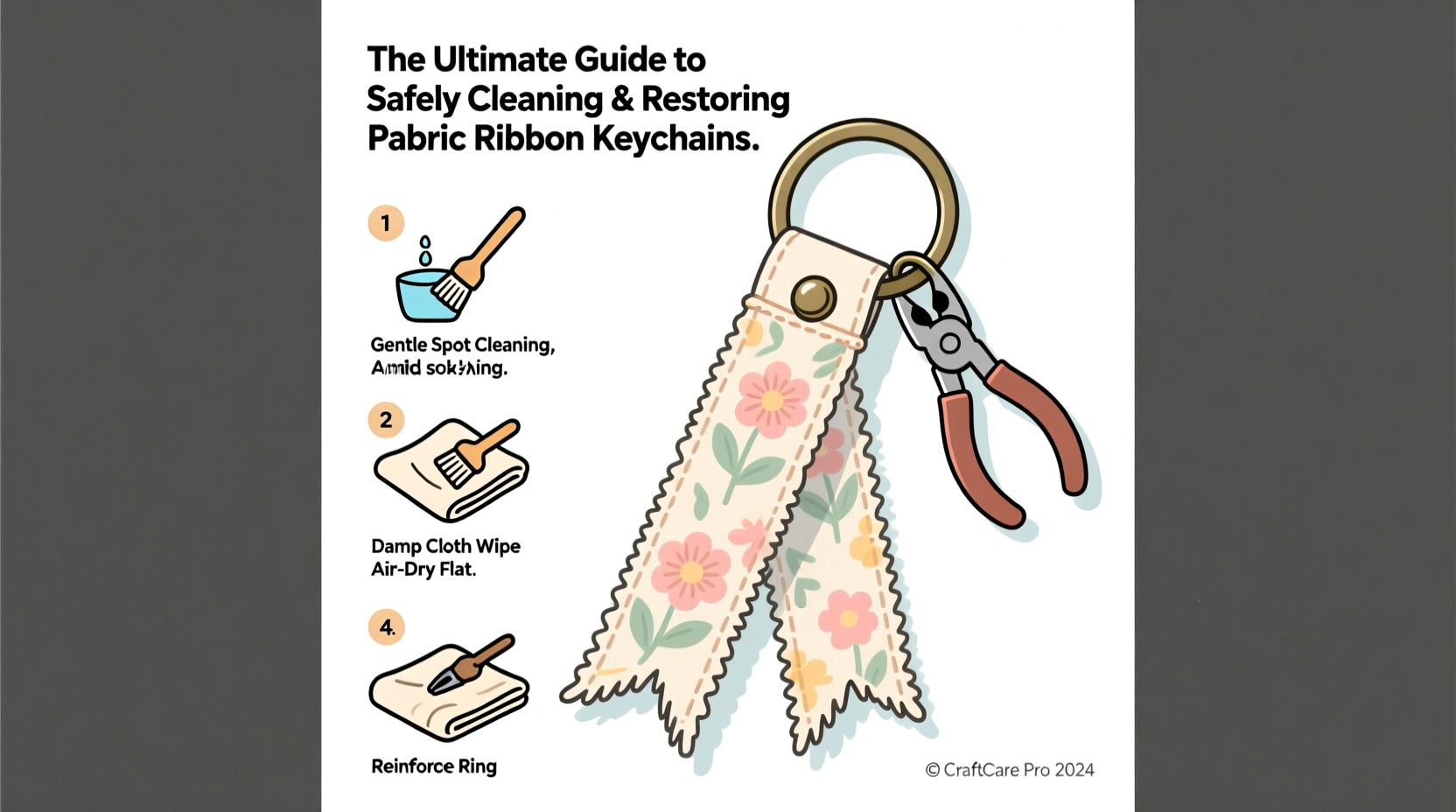
Not all ribbons are created equal. The first step in effective restoration is identifying the material. Common types include satin, grosgrain, organza, velvet, and cotton blends—each reacting differently to moisture, heat, and cleaning agents. Synthetic ribbons like polyester resist water well but may trap odors; natural fibers like silk or cotton are more absorbent but prone to shrinking or warping when wet.
Before any cleaning begins, inspect the keychain for labels or known origin. If handmade, consider the thread type and dyes used. Hand-dyed or vintage ribbons often contain fugitive colors—pigments that bleed easily when exposed to water or solvents. A quick spot test on an inconspicuous area can prevent disaster.
Step-by-Step Cleaning Process
Cleaning a fabric ribbon keychain requires patience and precision. Rushing the process risks damaging fibers or weakening attachments. Follow this sequence for optimal results:
- Dry Surface Cleaning: Use a soft-bristled clothes brush or lint roller to remove dust, lint, and loose debris. Gently work in the direction of the weave to avoid snagging.
- Spot Treatment: For localized stains (e.g., ink, makeup, food), apply a single drop of mild detergent (like Woolite or baby shampoo) diluted in distilled water. Use a microfiber cloth to dab—not rub—the affected area.
- Hand Rinse (if needed): Only if the ribbon passes the spot test, submerge it briefly in cool, soapy water. Swirl gently for no more than 30 seconds. Never soak for extended periods.
- Rinsing: Hold under cool running water until suds disappear. Avoid direct pressure from faucets.
- Drying: Lay flat on a clean towel, roll gently to extract excess moisture, then air-dry horizontally away from sunlight or heat sources.
- Reshaping: Once dry, lightly steam with a garment steamer held at least 6 inches away. Do not press directly.
Never use a washing machine, dryer, bleach, or ammonia-based cleaners. These will degrade fibers and accelerate wear.
Restoration Techniques for Damaged Ribbons
Over time, even carefully stored ribbons can fade, fray, or lose shape. Restoration focuses on stabilizing the fabric without altering its original character.
- Frayed Edges: Apply a tiny amount of clear nail polish or fabric sealant to loose threads. Let dry completely before handling.
- Color Fading: While true dye restoration isn't feasible at home, you can enhance vibrancy by gently wiping with a cloth dampened in white vinegar (1 part vinegar to 4 parts water). This removes dulling residues without harsh chemicals.
- Odor Removal: Sprinkle baking soda lightly over the ribbon, let sit for 2 hours, then brush off. For stronger smells, place in a sealed container with activated charcoal for 24–48 hours.
- Reinforcing Attachments: Check the jump ring or clasp regularly. Replace corroded hardware and re-stitch loose ribbon loops using matching thread and a whipstitch pattern.
“Preserving sentimental textiles means respecting their history. Gentle intervention—not aggressive correction—is the key.” — Dr. Lena Patel, Textile Conservation Specialist, National Heritage Institute
Do’s and Don’ts: A Quick Reference Table
| Do | Don’t |
|---|---|
| Test cleaning solutions on hidden areas first | Soak ribbons for prolonged periods |
| Use distilled water to prevent mineral staining | Wring or twist wet fabric |
| Air-dry flat on a clean surface | Expose to direct sunlight or radiators |
| Store in breathable cotton pouches | Keep in plastic bags where moisture traps |
| Brush gently to remove surface dust | Use abrasive cloths or scrubbing pads |
Real Example: Reviving a Sentimental Graduation Keychain
Sophie inherited a faded blue satin keychain from her sister’s college graduation. Stored in a drawer for years, it had yellowed at the edges and developed a musty odor. Following this guide, she began with a dry brushing, then applied a baking soda treatment for odor. After confirming no color bleed, she rinsed it briefly in cool soapy water, dried it flat between towels, and reshaped it with light steam. Though slightly softer in hue, the ribbon regained its luster and was mounted in a shadow box with a desiccant packet to control future humidity. “It’s not perfect,” Sophie said, “but it feels cared for—and that matters more.”
Essential Care Checklist
Use this checklist to maintain your fabric ribbon keychains long-term:
- ✅ Inspect monthly for fraying, discoloration, or hardware wear
- ✅ Dust every 2–4 weeks with a soft brush
- ✅ Store in acid-free tissue or cotton bags
- ✅ Keep away from perfumes, lotions, and high-humidity zones
- ✅ Rotate display if used decoratively to prevent one-sided fading
- ✅ Re-treat with fabric protector spray (non-aerosol) every 6 months if frequently handled
FAQ
Can I wash a ribbon keychain with embroidery or beads?
Extreme caution is required. Beads may loosen, and stitched areas can distort. Instead of immersion, spot-clean around embellishments with a barely damp cloth. If necessary, hold under flowing water while shielding decorated sections.
What should I do if the ribbon shrinks after washing?
Shrinkage usually indicates natural fibers were exposed to heat or agitation. Unfortunately, it cannot be reversed. In the future, always use cold water and minimal handling. For slightly shrunken ribbons, gentle stretching while damp may help regain some length—but stop if resistance is felt.
How can I prevent color transfer onto my keys or bag?
Color bleed often occurs with low-quality dyes. To minimize risk, rinse new ribbons once before attaching, or apply a fabric fixative spray designed for dyed textiles. Test first to ensure it doesn’t stiffen the material.
Final Thoughts
Cleaning and restoring fabric ribbon keychains is an act of preservation—one that honors both craftsmanship and memory. With the right techniques, even decades-old ribbons can remain vibrant and intact. The goal isn’t perfection, but thoughtful stewardship. By understanding materials, applying gentle methods, and staying vigilant about storage, you extend not just the life of an object, but the stories it carries.




 浙公网安备
33010002000092号
浙公网安备
33010002000092号 浙B2-20120091-4
Comments
No comments yet. Why don't you start the discussion?