
Leopard print mid heel slippers blend bold fashion with everyday comfort, making them a favorite in many wardrobes. But their striking appearance comes with a delicate care requirement—especially when it comes to cleaning. Improper methods can lead to color fading, material warping, or sole deterioration. To keep your slippers looking vibrant and feeling supportive season after season, a precise and gentle cleaning routine is essential. This guide walks you through every step, from identifying materials to drying techniques, ensuring your footwear maintains its flair without compromising integrity.
Understanding Your Slipper’s Materials
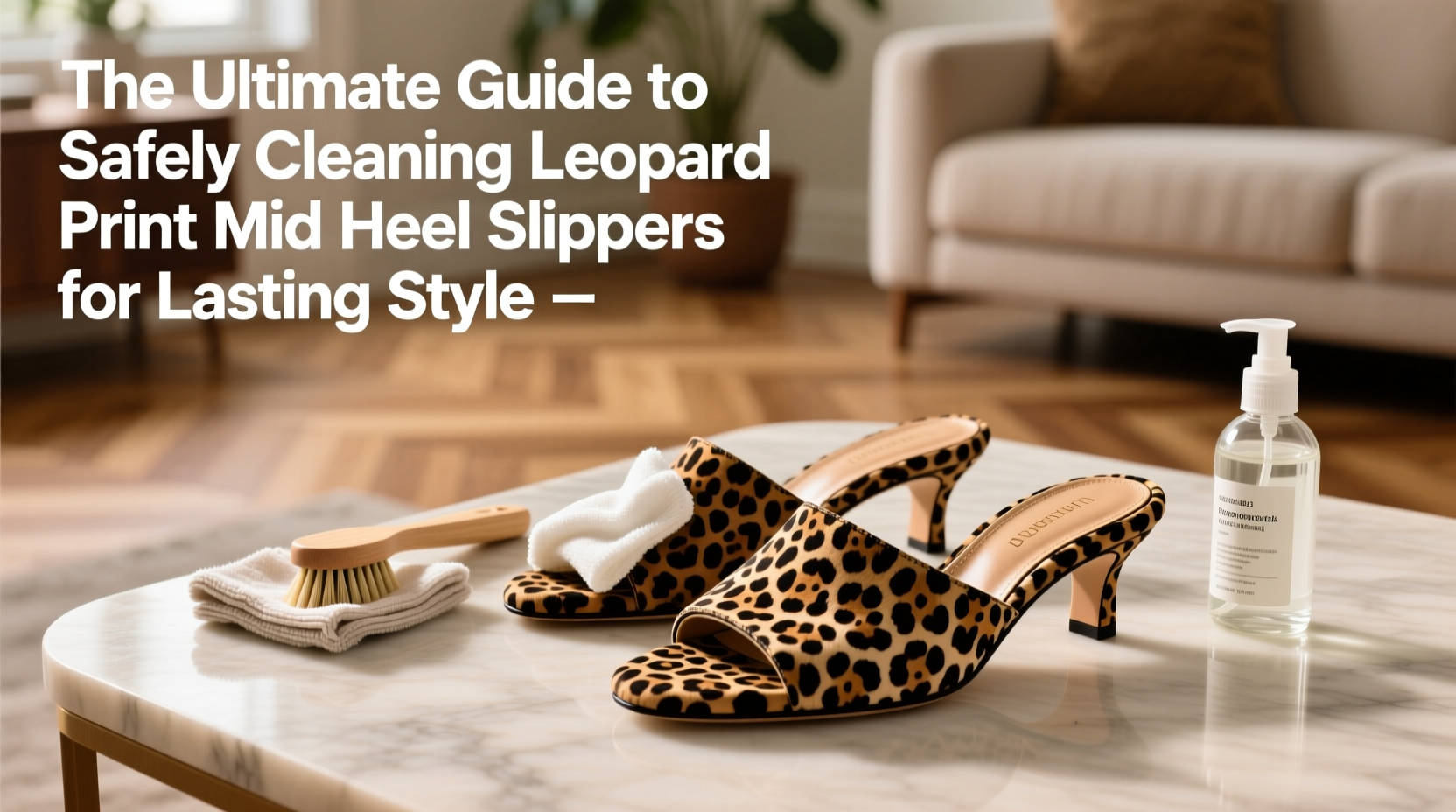
Before any cleaning begins, identify the materials used in your slippers. Most leopard print mid heels combine multiple components: a synthetic or real leather upper, a textile or faux fur lining, and a rubber, EVA, or wooden mid-heel sole. The print itself is typically applied via dye or transfer, both of which are sensitive to moisture, heat, and abrasion.
Check the manufacturer’s label inside the slipper for care instructions. If unavailable, assume the upper is made of faux leather or printed fabric—common in affordable yet stylish designs. Avoid water-heavy methods unless you're certain the materials can withstand it. Misjudging composition can result in irreversible damage like cracking, peeling, or bleeding of the pattern.
A Step-by-Step Guide to Safe Cleaning
Cleaning leopard print slippers isn’t about scrubbing hard—it’s about precision and patience. Follow this timeline-based approach to maintain both aesthetics and structural support.
- Remove Surface Dust (Day 1): Use a soft-bristled brush or dry microfiber cloth to gently sweep away dirt from the upper and sole. Focus on textured areas where debris collects.
- Spot Clean Stains (Day 2): Dampen a corner of a clean cloth with a mix of distilled water and mild dish soap (1:4 ratio). Gently dab stained areas—never rub—to avoid spreading or lifting the print.
- Treat Odors & Lining (Day 3): Sprinkle baking soda inside the slipper and let sit overnight. Shake out thoroughly the next morning. For persistent odors, use an alcohol-free wipe on the insole, avoiding contact with printed edges.
- Dry Thoroughly (Days 4–5): Place slippers in a well-ventilated room, away from direct sunlight or heaters. Insert shoe trees or crumpled paper to absorb moisture and maintain shape.
- Protect Finish (Day 6): Once fully dry, apply a protectant spray designed for synthetic leather or printed fabrics. Hold 6–8 inches away and spray lightly in a sweeping motion.
“Aggressive cleaning strips protective coatings and accelerates print degradation. Gentle, incremental care preserves both look and wearability.” — Lena Ruiz, Footwear Conservation Specialist
Do’s and Don’ts: Material-Specific Guidelines
Not all slippers respond the same way to cleaning agents. Refer to this table based on common construction types:
| Material Type | Do’s | Don’ts |
|---|---|---|
| Faux Leather Upper | Use pH-balanced wipes; condition monthly with silicone-free cream | Expose to steam, boiling water, or acetone-based cleaners |
| Printed Fabric | Blot stains immediately; air dry only | Machine wash or submerge in water |
| Faux Fur Lining | Brush gently with a pet comb; deodorize with cornstarch | Wet deeply or use heat tools |
| Rubber or EVA Sole | Scrub with soft brush and soapy water | Soak for extended periods or bleach |
Real Example: Reviving Neglected Leopard Slippers
Sophie, a graphic designer from Portland, wore her favorite leopard mules daily during a creative sprint. After three weeks, they looked dull—dusty soles, smudged prints, and a faint odor. Instead of discarding them, she followed a careful restoration process. She started by brushing off surface grime, then spot-cleaned the upper with a diluted vinegar-water mix (1:3), which lifted scuff marks without affecting the print. She treated the lining with baking soda and refreshed the sole with a toothbrush and mild soap. After two days of air drying, she applied a synthetic protectant. The slippers regained nearly their original luster and remained wearable for another eight months.
This case shows that even heavily used slippers can recover with informed care—no special equipment required.
Essential Care Checklist
Keep this checklist handy for regular maintenance:
- ☐ Brush off dust weekly with a dry microfiber cloth
- ☐ Inspect for stains or edge wear every 10 wears
- ☐ Spot clean using minimal moisture and gentle soap
- ☐ Deodorize monthly with baking soda or cedar inserts
- ☐ Reapply protective spray every 6–8 weeks
- ☐ Store in a breathable cotton bag, away from humidity
- ☐ Rotate wear to prevent material fatigue
Frequently Asked Questions
Can I put leopard print slippers in the washing machine?
No. Machine washing exposes delicate materials to excessive agitation, heat, and water saturation, which almost always damages the print and weakens adhesives in the sole or heel structure. Always opt for manual spot cleaning.
How do I remove ink marks without fading the print?
Use a cotton swab dipped in rubbing alcohol—applied with extreme caution. First test on an inconspicuous area. Gently dab the ink spot without spreading. Immediately wipe with a damp cloth to remove residue, then air dry. For large stains, consult a professional cleaner.
Why is my slipper’s print peeling after cleaning?
Peeling usually occurs when harsh chemicals or excessive moisture break down the adhesive layer beneath the print. It can also happen if the slipper was dried near a heat source, causing the material to contract. Prevention is key: use only recommended products and allow natural air drying.
Preserving Style and Comfort Long-Term
Lasting style isn’t just about how something looks today—it’s about how well it ages. Leopard print mid heel slippers are statement pieces, and their appeal lies in their confident aesthetic and functional design. By treating them as more than disposable fashion, you extend not only their lifespan but also their value in your wardrobe.
Rotate your footwear to reduce wear concentration. Avoid wearing the same pair two days in a row, especially in humid climates. When not in use, store them upright on a shelf with good airflow, ideally with a moisture absorber nearby. These habits prevent creasing, odor buildup, and environmental damage.
“Footwear reflects personal expression. Caring for it properly honors both craftsmanship and individuality.” — Marcus Lin, Sustainable Fashion Advocate
Final Thoughts
Your leopard print mid heel slippers deserve more than casual upkeep—they demand thoughtful attention that respects their design and materials. With the right knowledge, cleaning becomes less of a chore and more of a ritual that enhances your relationship with your wardrobe. From identifying fabric types to mastering gentle cleaning techniques, each step contributes to long-term beauty and usability.




 浙公网安备
33010002000092号
浙公网安备
33010002000092号 浙B2-20120091-4
Comments
No comments yet. Why don't you start the discussion?