
Diamond phone cases have become a symbol of style and sophistication—offering dazzling aesthetics while protecting one of your most valuable devices. Whether encrusted with real gemstones, cubic zirconia, or high-gloss faux crystals, these cases demand special care. Improper cleaning can lead to loosened stones, clouded finishes, or even irreversible surface damage. Unlike standard silicone or plastic cases, the intricate design and delicate materials require precision and knowledge. This guide provides a comprehensive approach to maintaining your diamond phone case’s brilliance while preserving its structural integrity.
Understanding Your Diamond Phone Case
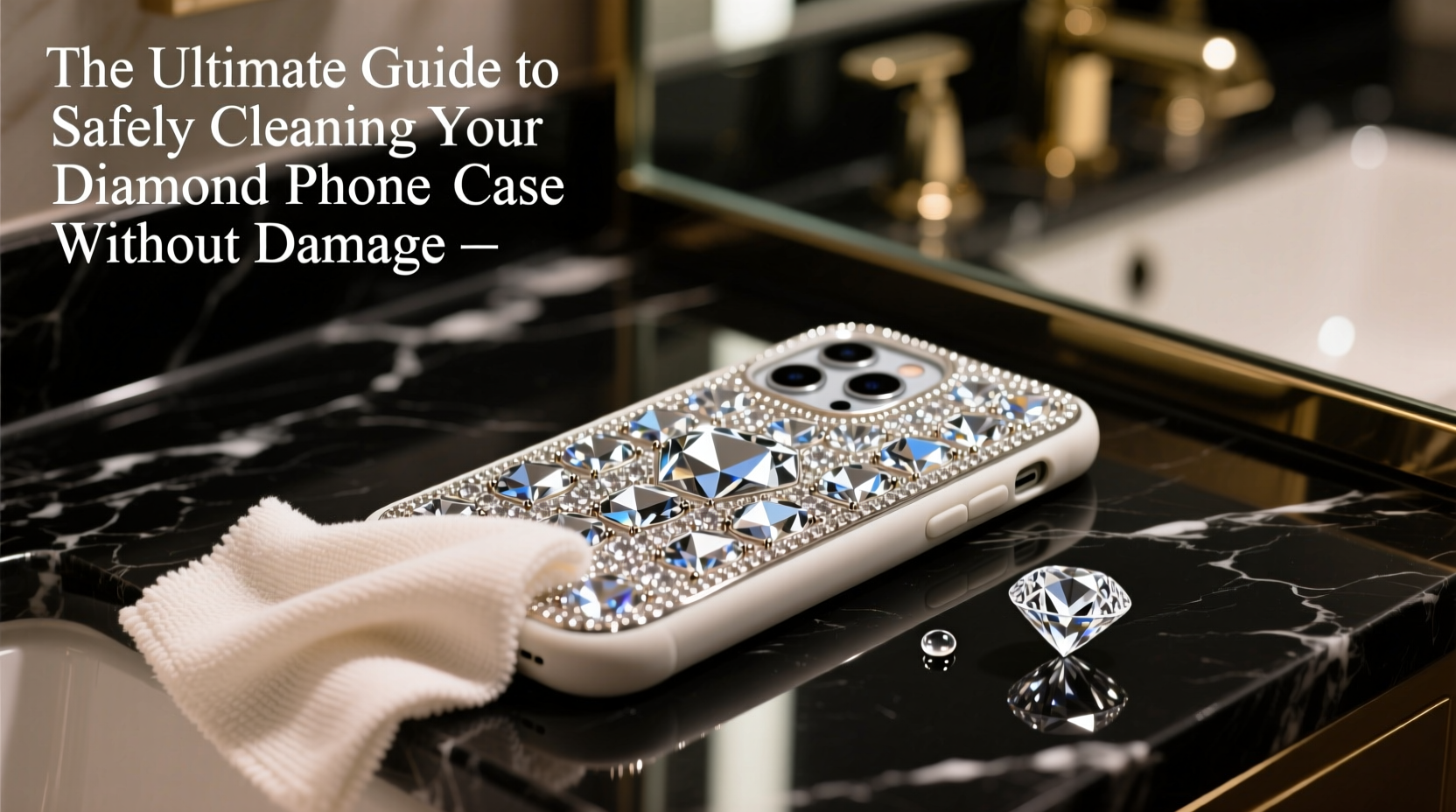
Before reaching for any cleaning solution, it's essential to identify what type of \"diamond\" embellishment your case uses. The term “diamond” in phone accessories often refers to simulated stones rather than actual diamonds. Most commonly found are:
- Cubic Zirconia (CZ): Lab-created stones that mimic the look of real diamonds but are softer and more prone to scratches.
- Acrylic or Resin Crystals: Lightweight, affordable, and widely used in fashion-forward designs.
- Real Diamonds or Gemstones: Rare in mass-market cases but present in luxury custom models.
- Glitter or Rhinestone Coatings: Microscopic reflective particles embedded into the surface layer.
The base material also matters. Many diamond cases use polycarbonate, TPU rubber, or metal frames. Each reacts differently to moisture, heat, and chemicals. Knowing your case composition prevents accidental harm during cleaning.
Essential Cleaning Supplies You Should Use (and Avoid)
Using the wrong tools is the fastest way to dull your case’s shine or dislodge stones. Below is a comparison of recommended versus harmful supplies.
| Recommended Supplies | Why It Works |
|---|---|
| Microfiber cloth | Lint-free and non-abrasive; ideal for daily dusting and polishing. |
| Soft-bristled toothbrush (clean, unused) | Gently reaches between stones without scratching surfaces. |
| Mild dish soap (phosphate-free) | Breaks down oils without harsh chemical reactions. |
| Distilled water | Prevents mineral deposits from tap water on crystal surfaces. |
| Isopropyl alcohol (70%, diluted) | Safely disinfects edges and non-crystal areas when used sparingly. |
| Avoid These Supplies | Risks |
|---|---|
| Ammonia-based cleaners | Can erode adhesive holding stones; damages CZ clarity. |
| Bleach or abrasive scrubs | Scratches surfaces and causes discoloration. |
| Ultrasonic cleaners | Vibrations may loosen glued-on stones over time. |
| Paper towels or rough cloths | Leave micro-scratches and lint behind. |
| Steam cleaners | Heat and pressure compromise adhesive bonds. |
“Many customers bring in damaged cases after using household glass cleaners. A little caution goes a long way—these aren’t jewelry store display pieces, they’re everyday items exposed to skin oils and pocket lint.” — Lena Torres, Mobile Accessory Restoration Specialist
Step-by-Step Guide to Safe Cleaning
Follow this detailed process every 2–3 weeks, or more frequently if you live in a humid or dusty environment.
- Remove the Phone: Always detach your device first. Residual moisture near charging ports can cause internal damage.
- Dry Dusting: Use a dry microfiber cloth to wipe away surface dust. Pay attention to crevices around each stone.
- Prepare Cleaning Solution: Mix two drops of mild dish soap into ½ cup of distilled water. Do not use hot water—it can weaken adhesives.
- Spot Clean with Soft Brush: Dip the tip of a soft toothbrush into the solution. Gently brush between and over stones in small circular motions. Never press hard.
- Rinse Lightly (if applicable): For removable back plates or fully sealed cases, rinse under lukewarm running water briefly. Otherwise, skip rinsing and proceed to drying.
- Dry Thoroughly: Pat dry with a clean microfiber towel. Then air-dry face-up on a lint-free surface for at least 30 minutes before reassembling.
- Final Polish: Buff lightly with a dry microfiber cloth to restore shine and remove water spots.
Mini Case Study: Recovering a Cloudy Crystal Case
Sophia, a marketing executive in Chicago, noticed her rose-gold diamond iPhone case had lost its luster after six months of daily use. She initially wiped it with a Clorox wipe, which left a hazy film and caused one corner of stones to lift slightly. After consulting an accessory repair shop, she learned that the bleach residue had degraded the epoxy adhesive.
She began following a gentle cleaning routine: weekly dry dusting, bi-weekly soft brushing with dish soap, and monthly inspections for loose stones. Within three weeks, the haze diminished significantly, and no further stones came loose. By avoiding harsh chemicals and handling the case with care, she extended its life by nearly a year beyond the expected wear period.
Do’s and Don’ts Checklist
To ensure consistent care, follow this quick-reference checklist:
- ✅ Do clean your case every 2–3 weeks.
- ✅ Do inspect for loose stones regularly.
- ✅ Do store the case in a padded pouch when not in use.
- ✅ Do use distilled water to prevent mineral buildup.
- ✅ Do handle the case by the frame, not the stones.
- ❌ Don’t soak the entire case unless specified as waterproof.
- ❌ Don’t use ultrasonic or steam cleaners.
- ❌ Don’t apply direct sprays of liquid onto the crystal surface.
- ❌ Don’t expose to extreme temperatures (e.g., car dashboards).
- ❌ Don’t use nail polish remover or acetone-based solutions.
Frequently Asked Questions
Can I clean my diamond phone case with hand sanitizer?
No. While hand sanitizer contains alcohol that may disinfect, it also includes fragrances, dyes, and thickening agents that can leave residues on crystal surfaces and degrade adhesives over time. If disinfection is needed, use a cotton swab dipped in diluted isopropyl alcohol (70%) on the inner lining only—never on the stones.
What should I do if a stone falls out?
If a stone becomes dislodged, keep it in a small container. Some manufacturers offer repair kits or replacement services. Attempting DIY glue fixes can result in visible seams or misalignment. Use a jeweler’s adhesive like E6000 only if professional service isn’t available, and allow 24 hours of curing time before handling.
How often should I deep clean my case?
A full cleaning every 2–3 weeks is sufficient for regular users. Heavy sweat exposure, frequent pocket storage, or use in polluted environments may require weekly maintenance. Daily wiping with a dry microfiber cloth helps reduce buildup.
Protect Your Investment with Consistent Care
Your diamond phone case is more than just protection—it’s a personal statement. With minimal effort and the right techniques, you can maintain its dazzling appearance for years. Regular inspection, gentle cleaning, and mindful storage prevent avoidable damage. Remember, the goal isn’t just cleanliness, but longevity. A well-maintained case reflects your attention to detail and respect for quality craftsmanship.




 浙公网安备
33010002000092号
浙公网安备
33010002000092号 浙B2-20120091-4
Comments
No comments yet. Why don't you start the discussion?