
Personalized cat keychains are more than just functional accessories—they’re sentimental keepsakes. Whether engraved with a beloved pet’s name, crafted in their likeness, or gifted by someone special, these small treasures carry emotional weight. But over time, daily use exposes them to dirt, oils, and environmental grime that can dull their appearance and even degrade materials. Cleaning them improperly, however, risks irreversible damage. This guide provides a comprehensive, material-specific approach to safely restoring your cat keychain’s charm while preserving its integrity.
Understanding Your Keychain’s Material Composition
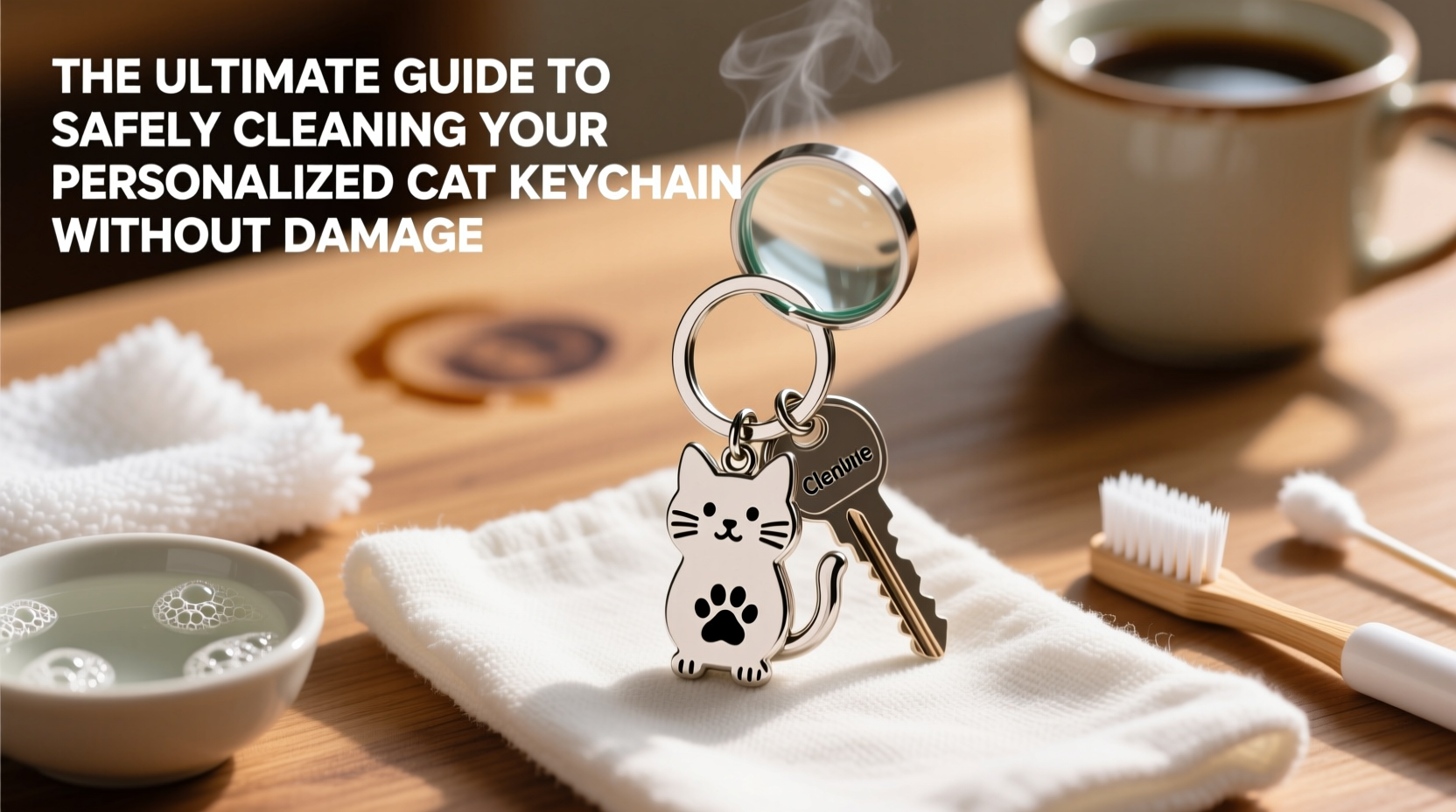
The first and most crucial step in cleaning any personalized item is identifying the materials used. Cat keychains come in a variety of forms: metal alloys, stainless steel, zinc, acrylic, resin, leather, or silicone. Each reacts differently to moisture, chemicals, and abrasives. For instance, an engraved stainless steel keychain tolerates mild soapy water, while a painted resin figurine may lose detail if submerged.
Check for markings on the back or underside. Stainless steel often carries “304” or “316” labels. Resin pieces may feel lightweight and slightly warm to the touch. Leather accents will have a distinct texture and smell. If uncertain, assume the piece is delicate and proceed conservatively.
Step-by-Step Cleaning Process for Different Materials
Cleaning should be methodical and gentle. Rushing or using aggressive tools can compromise structural and aesthetic qualities. Follow this timeline-based approach tailored to common materials:
- Pre-Cleaning Inspection (5 minutes): Examine the keychain under good lighting. Look for cracks, loose parts, fading paint, or corrosion.
- Dust Removal (3–5 minutes): Use a soft-bristled toothbrush or microfiber cloth to remove surface dust and debris.
- Spot Test (10 minutes): Apply your chosen cleaning solution to a small, inconspicuous area. Wait 10–15 minutes to check for discoloration or warping.
- Application & Cleaning (5–10 minutes): Use appropriate method based on material (see table below).
- Drying (30+ minutes): Air dry completely—never use heat sources like hairdryers.
Material-Specific Methods
| Material | Safe Cleaning Method | Avoid |
|---|---|---|
| Stainless Steel / Metal Alloys | Damp cloth with mild dish soap; rinse with water; dry immediately | Harsh detergents, bleach, abrasive pads |
| Resin or Acrylic | Wipe with damp microfiber cloth; use diluted isopropyl alcohol (10%) for stubborn spots | Soaking, strong solvents, direct sunlight during drying |
| Leather Accents | Use dry cloth or leather-safe wipe; condition monthly with beeswax-based balm | Water immersion, alcohol, silicone sprays |
| Silicone or Rubber | Wash with warm soapy water; scrub gently with soft brush | High heat, petroleum-based cleaners |
| Painted or Engraved Surfaces | Dampen cloth slightly; wipe carefully along engraving lines | Submersion, vigorous rubbing, chemical wipes |
“Many people don’t realize that even ‘waterproof’ metals can corrode when exposed to salt or sweat over time. Regular, gentle maintenance prevents long-term deterioration.” — Dr. Lena Torres, Materials Conservation Specialist
Common Mistakes That Cause Irreversible Damage
Well-intentioned efforts often lead to unintended harm. Below are frequent errors observed in accessory care:
- Using household cleaners: Products like Windex or bleach break down resins and strip protective coatings on metal.
- Over-soaking: Even brief submersion can seep into joints, loosen adhesives, or tarnish underlying layers.
- Scrubbing with rough tools: Toothpicks, paper towels, or metal brushes scratch soft surfaces and blur fine engravings.
- Drying with heat: Hairdryers or radiators warp plastic, crack glue bonds, and fade colors.
- Neglecting storage: Leaving keychains in humid environments (like bathrooms) promotes mold and oxidation.
Real-Life Example: Recovering a Faded Engraved Pendant
Sarah from Portland owned a silver-plated cat keychain engraved with her late cat’s name, “Miso.” After two years of daily use, the letters had dulled, and a greenish tinge appeared near the ring attachment. She initially tried rubbing it with vinegar, which worsened the discoloration.
She consulted a local jeweler who recommended a safer method: mixing baking soda with a few drops of water into a paste, applying it with a cotton swab only to the affected area, then rinsing with distilled water and air-drying overnight. After two applications, the tarnish lifted without harming the engraving. Sarah now cleans it every three months using this method and stores it in a fabric-lined box when not in use.
This case underscores the importance of targeted treatment and patience. Aggressive cleaning might offer quick results but at the cost of longevity.
Essential Care Checklist for Long-Term Preservation
To maintain your personalized cat keychain in optimal condition, follow this actionable checklist:
- ✅ Inspect weekly for buildup, scratches, or loosening parts
- ✅ Clean every 4–6 weeks using material-appropriate methods
- ✅ Store in a dry, room-temperature location away from sunlight
- ✅ Use a soft pouch or jewelry box to prevent scratches
- ✅ Avoid wearing during swimming, showering, or heavy exercise
- ✅ Condition leather elements monthly with a natural balm
- ✅ Document any manufacturer care instructions if available
Frequently Asked Questions
Can I use alcohol wipes to clean my cat keychain?
Only if it’s made of solid metal or silicone and has no paint, engraving, or adhesive components. Isopropyl alcohol above 20% concentration can dissolve glues and fade printed designs. For safety, dilute to 10% and apply sparingly with a cotton swab.
What should I do if the keychain chain becomes tarnished?
If the chain is made of base metal or plated alloy, tarnish is common due to skin oils and humidity. Gently wipe with a polishing cloth designed for jewelry. Do not use liquid polishes unless you’re certain they match the metal type. For valuable pieces, consider professional re-plating.
How do I protect the personalization like names or photos?
Avoid direct contact with liquids and abrasive cloths. If the text is engraved, clean along the groove—not across it—to prevent wear. For photo-printed keychains, never immerse; instead, lightly dampen a corner of a microfiber cloth and dab gently.
Final Thoughts: Treat It Like the Keepsake It Is
Your personalized cat keychain isn’t just a tool for holding keys—it’s a symbol of connection, memory, and affection. Treating it with consistent, thoughtful care ensures it remains a vivid part of your daily life for years. By understanding its composition, avoiding common pitfalls, and following a gentle routine, you preserve both its function and emotional value.




 浙公网安备
33010002000092号
浙公网安备
33010002000092号 浙B2-20120091-4
Comments
No comments yet. Why don't you start the discussion?