
Transforming alloy figures like the King Kong model represent a unique intersection of engineering, artistry, and collectible passion. These intricate toys are more than playthings—they’re investments in craftsmanship and nostalgia. However, their complex mechanisms, metal components, and detailed finishes make them vulnerable to environmental damage, mechanical wear, and accidental harm if not stored properly. Ensuring your King Kong alloy figure remains in pristine condition requires more than just placing it on a shelf. It demands a thoughtful approach to cleaning, handling, climate control, and presentation.
Whether you're a seasoned collector or new to high-end transforming toys, this guide delivers actionable strategies to protect your piece from degradation while enhancing its visual impact. From selecting the right storage environment to preventing oxidation and choosing ideal display cases, every decision affects the toy’s lifespan and aesthetic integrity.
Understanding the Vulnerabilities of Alloy Transforming Toys
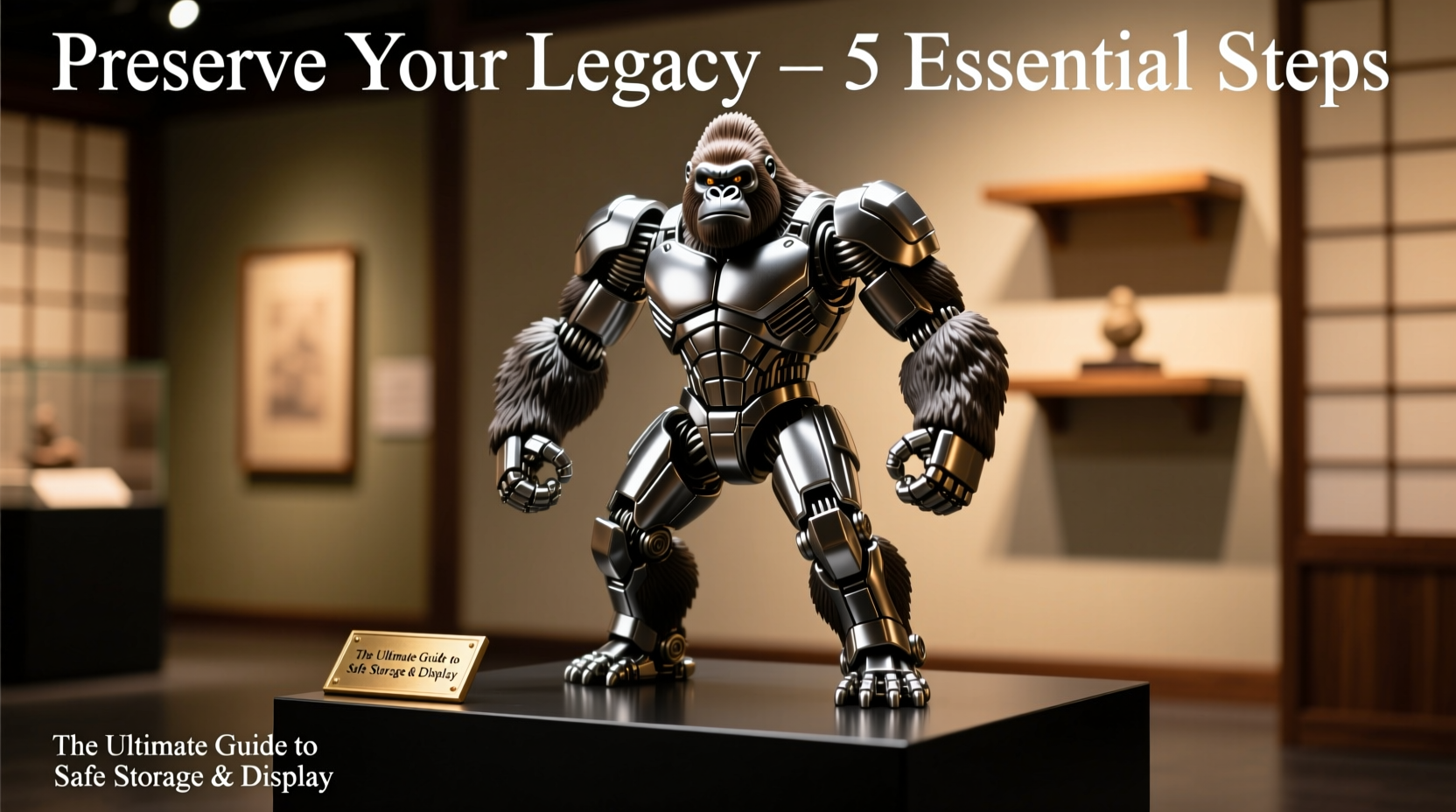
King Kong alloy transforming toys are typically constructed from zinc alloy (ZAMAK), plastic joints, rubber grips, and painted surfaces. While durable, these materials react differently to humidity, temperature, UV exposure, and physical contact. The transformation mechanism—often composed of small gears, hinges, and sliding parts—is especially sensitive to dust, moisture, and improper alignment during storage.
Over time, untreated exposure can lead to:
- Oxidation of metal surfaces, causing discoloration or pitting
- Stiffening or jamming of moving parts due to dust accumulation
- Fading or chipping of paint from sunlight or friction
- Warping of plastic components under heat or pressure
These issues don’t develop overnight, but they compound silently. A toy that looks flawless today may show signs of deterioration within months if stored incorrectly.
“Collectors often underestimate how quickly micro-environments affect alloy figures. Humidity as low as 55% can initiate corrosion over time.” — Dr. Lena Torres, Materials Conservation Specialist at the National Toy Archive
Step-by-Step Guide to Preparing Your Toy for Storage
Before placing your King Kong figure into long-term storage or display, follow this sequence to ensure it's protected from internal and external threats.
- Clean gently with a microfiber cloth: Wipe down all surfaces to remove fingerprints, dust, and oils. Avoid water or chemical cleaners unless specified by the manufacturer.
- Inspect moving parts: Perform a full transformation cycle to check for resistance or misalignment. Address minor jams early before storage immobilizes them.
- Lubricate critical joints (if applicable): Use a silicone-based lubricant sparingly on pivot points. Never use oil-based products, which attract dust and degrade plastics.
- Dry thoroughly: Ensure no moisture remains, especially in crevices where condensation can form later.
- Choose transformation state: Decide whether to store in robot mode, beast mode, or mid-transform. For long-term storage, fully transformed modes are recommended to reduce stress on partially engaged mechanisms.
Optimal Storage Conditions: Environment, Enclosures & Placement
The location and container you choose play a decisive role in preserving both function and finish.
Avoid These Common Storage Mistakes
| Do’s | Don’ts |
|---|---|
| Store in a climate-controlled room (18–24°C / 40–50% humidity) | Keep near windows with direct sunlight |
| Use an acrylic display case with UV protection | Leave exposed on open shelves in high-traffic areas |
| Place on stable, level surfaces away from vibrations | Store in attics, basements, or garages with fluctuating temps |
| Add silica gel packs inside enclosed cases | Seal in non-breathable plastic bags |
Acrylic cases with soft lining offer the best defense against dust, accidental knocks, and airborne pollutants. Look for models with removable tops or side doors for easy access without risking strain on the toy during retrieval.
For Long-Term Storage (Non-Display)
If you're archiving your King Kong figure for years, wrap it in acid-free tissue paper and place it in a rigid box with foam padding. Include 1–2 sealed silica gel packets to regulate moisture. Label the box clearly and store horizontally in a closet or cabinet away from heating vents.
Display Strategies That Protect and Impress
Displaying your King Kong alloy figure shouldn’t mean sacrificing safety for aesthetics. With careful planning, you can showcase your piece as a centerpiece while shielding it from harm.
- Elevated Platforms: Use risers or plinths to keep the toy out of reach of pets and children.
- Controlled Lighting: LED spotlights enhance detail without emitting heat or UV radiation. Avoid halogen or incandescent bulbs.
- Rotation Schedule: Limit continuous display to 6–8 months, then rotate with another piece or place into protective storage to reduce cumulative exposure.
- Secure Mounting: Some collectors use discreet adhesive pads or museum putty to stabilize large figures on glass shelves.
Real Example: Preserving a Limited-Edition Release
Mark R., a collector in Vancouver, owns a numbered edition of the King Kong vs. Mechagodzilla alloy transformer. He keeps it in a UV-filtered display cabinet equipped with a hygrometer and monthly maintenance log. After noticing slight haze on the forearm joint after eight months on display, he removed the figure, cleaned the area with a dry brush, reapplied die-cast-safe lubricant, and rotated it into storage. His proactive care prevented permanent binding and preserved resale value, which has increased by 35% since purchase.
Essential Care Checklist
To maintain your King Kong alloy transforming toy in peak condition, follow this checklist quarterly:
- ✅ Clean surface with dry microfiber cloth
- ✅ Inspect for scratches, loose parts, or oxidation spots
- ✅ Test full transformation sequence for smooth operation
- ✅ Replace silica gel packs in storage/display case
- ✅ Verify stable temperature and humidity levels nearby
- ✅ Rotate display position or transition to storage if needed
- ✅ Document condition with notes or photos for future reference
Frequently Asked Questions
Can I transform the toy regularly while it’s on display?
Yes, but only if the environment is clean and hands are washed first. Frequent handling increases the risk of dropping or transferring skin oils, which accelerate corrosion. Limit transformations to once every few weeks unless demonstrating to guests.
Is it safe to store multiple alloy figures together?
No. Storing figures in direct contact—even briefly—can cause micro-scratches or joint interference. Each piece should have its own compartment or case. If space is limited, use felt dividers inside larger cabinets.
What should I do if I notice white powder on metal parts?
This is likely zinc oxide, a sign of early-stage corrosion. Gently remove it with a soft brass brush (never steel), then wipe with a lint-free cloth. Apply a thin coat of clear lacquer made for die-cast metals to seal the area. Store immediately in a drier environment.
Final Thoughts: Treat It Like the Masterpiece It Is
Your King Kong alloy transforming toy blends mechanical ingenuity with artistic design—a combination worth protecting. Proper storage isn't about hiding it away; it's about honoring its complexity and ensuring it functions flawlessly for years. By controlling the environment, maintaining mechanical integrity, and displaying thoughtfully, you preserve not just its appearance but its legacy.




 浙公网安备
33010002000092号
浙公网安备
33010002000092号 浙B2-20120091-4
Comments
No comments yet. Why don't you start the discussion?