
Plush keychains have surged in popularity, transforming everyday accessories into expressions of personality, humor, or sentiment. Whether it’s a tiny sloth symbolizing calmness, a retro pixel character from childhood games, or a miniature pet that mirrors your real-life companion, these soft charms bring joy to routine moments—especially when you reach for your car keys. But while aesthetics matter, so does function. A poorly attached plush keychain can become a hazard: snagging on pockets, interfering with ignition use, or worse—detaching and getting lost. The ideal attachment balances security, convenience, and visual appeal. This guide walks through the best practices, tools, and techniques to ensure your plush keychain stays put without sacrificing charm.
Why Secure Attachment Matters
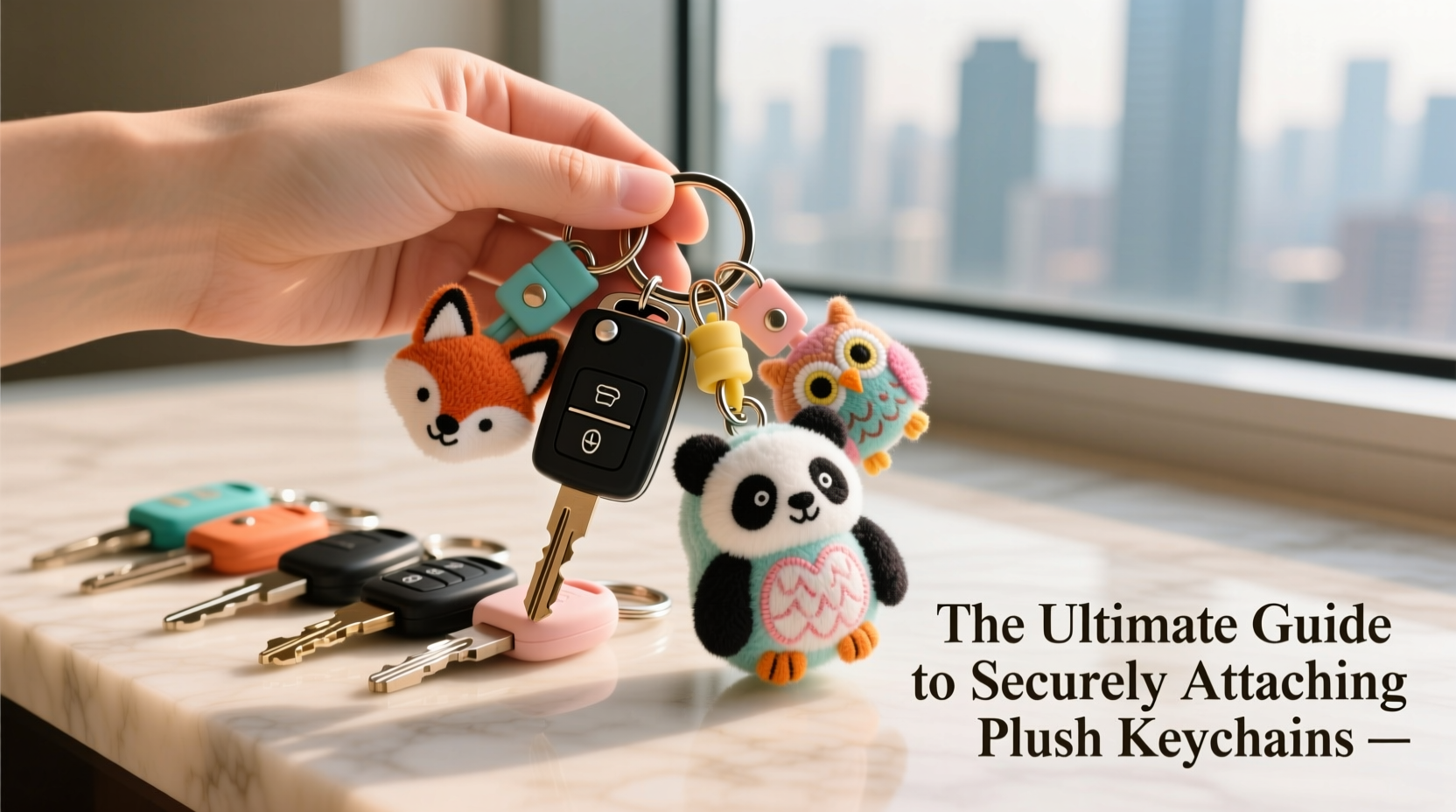
It’s easy to overlook the mechanics behind a dangling plush toy, but improper attachment can lead to more than just inconvenience. Loose keychains may:
- Jam inside key fobs or ignition cylinders
- Wear down key teeth over time due to constant friction
- Come loose during travel, especially if keys are jostled in bags
- Pose a distraction risk when driving (e.g., obstructing view of dashboard controls)
A secure connection prevents these issues while preserving the whimsy of your accessory. The goal isn’t to eliminate flair—it’s to integrate it thoughtfully into your daily carry.
Choosing the Right Components
Not all keychains are created equal. Before attaching anything to your car keys, assess three core components: the plush toy, the connector, and the keyring.
Plush Keychain Quality
Look for plush toys designed specifically as keychains. These typically feature reinforced stitching at the attachment point and durable loops made from nylon or metal-reinforced fabric. Avoid overly large or heavy plushes; they increase torque on the keyring and heighten detachment risks.
Connectors That Work
The link between plush and keyring determines longevity. Common options include:
- Split rings: Small, double-looped metal rings similar to those on standard keyrings. Best used with lobster clasps.
- Lobster clasps: Spring-loaded hooks that snap shut. Ideal for quick swaps and reliable hold.
- Carabiners: Lightweight, locking versions offer added security but may add bulk.
- Oval jump rings: Smooth, closed metal ovals—more decorative than functional unless soldered shut.
Keyring Compatibility
Most car key fobs come with a small ring. If you plan to attach multiple items, consider upgrading to a wider-diameter, high-tensile steel ring or a rotating key organizer that reduces strain on individual attachments.
“Many people don’t realize how much stress a swinging plush adds to their key mechanism. Even a few ounces can accelerate wear.” — Marcus Lin, Automotive Accessory Engineer
Step-by-Step: Attaching Your Plush Keychain Safely
Follow this sequence to ensure a lasting, functional bond between your plush and keys:
- Inspect the plush loop. Check for fraying or weak seams where the string meets the fabric. Reinforce with a small drop of fabric glue if needed.
- Select a secure connector. A lobster clasp is recommended for most users due to its balance of strength and ease.
- Open the clasp carefully. Use fingernails or tweezers—avoid pliers that could deform the metal.
- Thread the plush loop onto the clasp. Ensure the entire loop passes through so it cannot slip out.
- Attach the clasp to your keyring. If using a tight factory ring, consider removing other non-essential items first.
- Test mobility and clearance. Rotate the keychain fully to confirm the plush doesn’t block button access on your fob.
- Secure with a secondary measure (optional). For extra peace of mind, add a tiny silicone keychain stopper or wrap the base with clear heat-shrink tubing.
Do’s and Don’ts: Best Practices Summary
| Do | Don’t |
|---|---|
| Use lightweight plushes under 1.5 oz | Attach oversized or water-absorbent plushes |
| Choose connectors with positive lock mechanisms | Rely solely on flimsy plastic clips |
| Check attachment weekly for wear | Ignore signs of fraying or loosening |
| Match color/style to your personality or season | Let sharp edges from connectors scratch your phone or wallet |
| Store keys flat when not in use to reduce strain | Allow keys to dangle freely from bags for long periods |
Real-World Example: From Frustration to Function
Sophia, a graphic designer in Portland, loved collecting anime-themed plush keychains. She once attached a 3-inch panda directly to her Tesla key fob using only a thin plastic ring. Within two weeks, the panda vanished—snagged on her coat lining during a commute. After researching better methods, she switched to a micro lobster clasp and began selecting plushes with internal wire framing for structure. Over the next six months, none of her keychains detached, and she even started gifting customized sets to colleagues. Her insight? “The right hardware makes all the difference. It’s not just about looks—it’s about trust.”
Enhancing Style Without Compromising Safety
Styling your keychain doesn’t require risk. Consider these approaches:
- Layered look: Use a multi-arm keyring to display several small plushes evenly spaced, reducing imbalance.
- Seasonal rotation: Swap plushes monthly—Halloween ghosts, winter snowmen—to keep things fresh without overcrowding.
- Personalized touches: Add initials via tiny enamel tags or coordinate colors with your car interior.
The key is moderation. One standout plush often makes a stronger impression than a cluttered cluster.
Frequently Asked Questions
Can I wash my plush keychain?
Yes, but cautiously. Hand-wash with mild soap and cold water, then air dry completely before reattaching. Never machine-wash unless the manufacturer specifies it’s safe.
Will a plush keychain damage my key fob battery?
No direct electrical risk exists, but constant pressure or twisting from a heavy plush could loosen internal components over years. Keep weight minimal and monitor performance.
Are there legal restrictions on keychain attachments?
No U.S. federal laws prohibit decorative keychains, but some workplaces or rental agreements may restrict dangling objects near equipment. Always check policies if using company vehicles.
Final Checklist Before You Attach
- ✅ Plush is lightweight and well-stitched
- ✅ Connector has a locking mechanism (lobster clasp, carabiner) <3>✅ Keyring is sturdy and not overloaded
- ✅ Plush doesn’t obstruct buttons or key insertion
- ✅ Weekly inspection scheduled (set a phone reminder)
Make Every Journey a Little Brighter
Your car keys don’t have to be mundane. With thoughtful selection and proper attachment, a plush keychain becomes more than decoration—it becomes a tiny beacon of joy every time you start your engine. Security doesn’t mean sacrificing style; it means ensuring your favorite accessories last as long as your memories. Take a moment today to evaluate how your current keychain is secured. Upgrade one weak link, choose a new plush with care, or simply tighten what’s already there. Small changes lead to lasting satisfaction.




 浙公网安备
33010002000092号
浙公网安备
33010002000092号 浙B2-20120091-4
Comments
No comments yet. Why don't you start the discussion?