
In an age where personal organization is more valuable than ever, something as simple as how you carry your keys can impact your day-to-day efficiency and peace of mind. A cluttered pocket or purse often leads to lost keys, scratches on other belongings, or even security risks when fumbling for access in public spaces. Enter the key bag: a compact, intentional solution designed to consolidate, protect, and secure your keys. More than just a trendy accessory, a well-chosen key bag enhances convenience, safety, and style. This guide explores why key bags matter, how to choose the right one, and practical steps to maximize their benefits.
Why Key Bags Are More Than Just Accessories
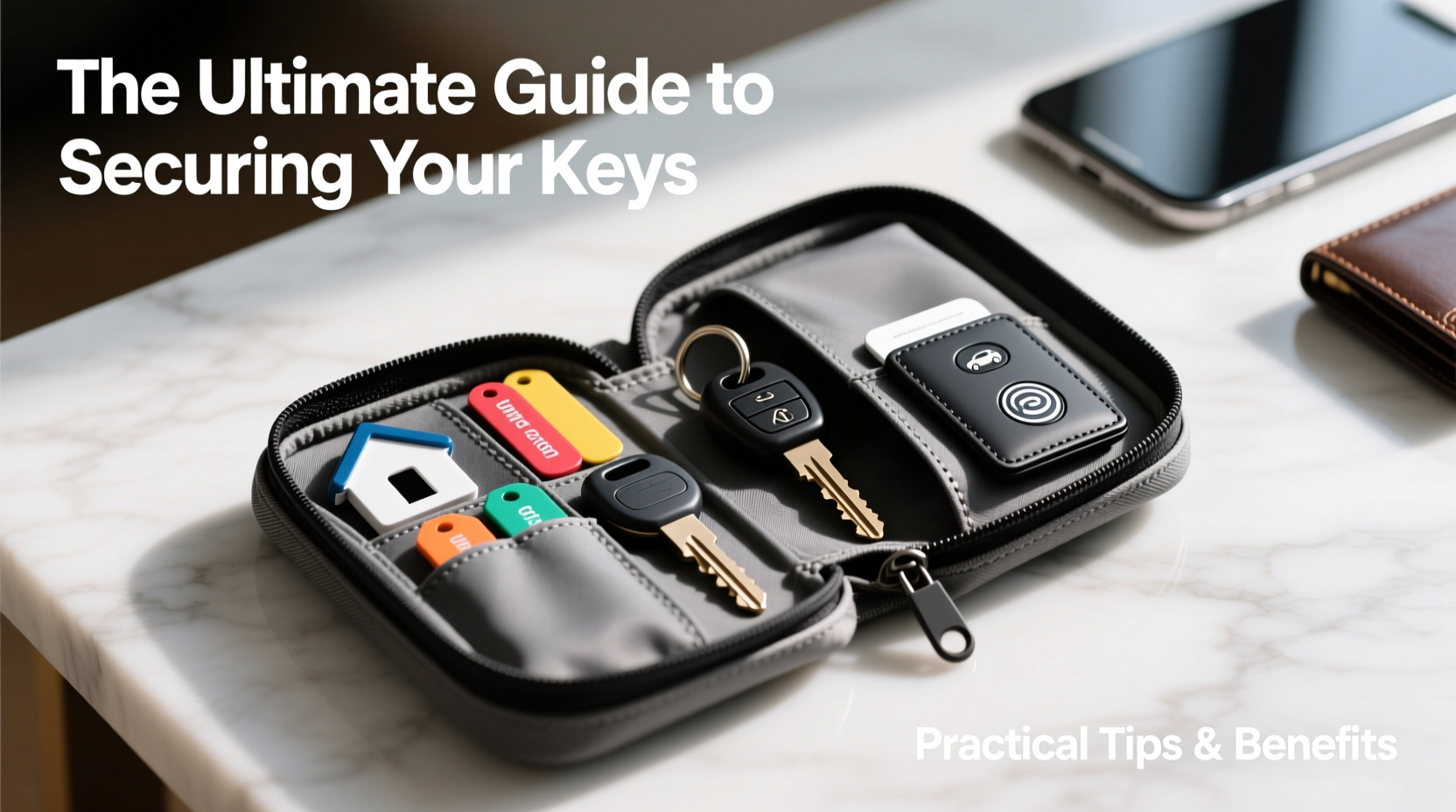
At first glance, a key bag might seem like a minor upgrade—an alternative to a bulky keychain or loose keys in a pocket. But its function runs deeper. Key bags are engineered to solve real problems: noise reduction, scratch prevention, theft deterrence, and accessibility. Unlike traditional keyrings that jingle and snag, a quality key bag keeps keys contained and silent. This containment also prevents damage to phones, wallets, and clothing lining. Moreover, many modern key bags feature RFID-blocking materials, shielding digital keys or nearby cards from unauthorized scanning.
Urban commuters, frequent travelers, and professionals alike benefit from the streamlined design. Whether navigating a crowded subway or rushing through airport security, having your keys neatly stowed means less time searching and less exposure of sensitive items.
Choosing the Right Key Bag: Features That Matter
Not all key bags are created equal. The best ones balance durability, functionality, and aesthetics. When selecting a key bag, consider the following features:
- Material: Full-grain leather offers longevity and develops a rich patina over time. Nylon or recycled fabrics provide lightweight, water-resistant options ideal for outdoor use.
- Capacity: Most people need space for 3–6 keys. Look for internal loops or elastic holders that prevent tangling.
- Security: Zippers with lockable sliders or hidden compartments add layers of protection against pickpockets.
- Size: A compact profile (approx. 3.5 x 2.5 inches) fits easily in pockets or small handbags without bulk.
- Style: Neutral colors like black, brown, or navy integrate seamlessly into both casual and formal settings.
“Intentional design in everyday carry items reduces cognitive load. A dedicated key bag eliminates decision fatigue about where your keys are.” — Daniel Reed, Productivity Consultant and Urban Gear Analyst
Step-by-Step Guide to Organizing Your Keys in a Key Bag
Switching to a key bag isn’t just about dropping your keys inside. Proper setup ensures long-term usability and prevents frustration down the line. Follow this timeline to get started:
- Day 1: Audit Your Keys – Remove duplicates, old access cards, or rarely used keys. Only carry what you need daily.
- Day 2: Clean and Label – Wipe down each key. Use colored key tags or nail polish dots to identify them quickly.
- Day 3: Arrange Inside the Bag – Place frequently used keys near the front or top. Use built-in clips to separate house, car, and office sets.
- Day 4: Test Accessibility – Open and close the bag 10 times while simulating real-world conditions (e.g., wearing gloves, one hand).
- Day 7: Finalize Setup – Adjust positioning based on usage patterns. Consider adding a micro flashlight or USB drive if space allows.
Benefits of Using a Key Bag Daily
The advantages extend beyond tidiness. Here’s a breakdown of tangible benefits users report after adopting a key bag:
| Benefit | Description | Real-World Impact |
|---|---|---|
| Reduced Noise | Eliminates jingling in pockets or bags | Less distraction; more discretion in quiet environments |
| Scratch Prevention | Protects phones, tablets, and eyewear | Saves hundreds in screen repairs over time |
| Improved Security | RFID shielding and concealed zippers reduce theft risk | Peace of mind in crowded areas |
| Faster Access | Dedicated layout speeds up retrieval | Saves ~3–5 seconds per use—adds up to hours annually |
| Longevity of Keys | Minimizes wear from friction and exposure | Reduces need for costly replacements |
Mini Case Study: How a Key Bag Prevented a Security Incident
Mark T., a software engineer in Chicago, used to keep his keys and work badge on a metal ring in his jacket pocket. During a morning commute, he noticed someone bumping into him repeatedly near the train doors. Later that day, IT flagged unusual login attempts on his corporate account. Upon reviewing surveillance footage, it was clear the individual had attempted to scan his RFID-enabled badge. After switching to a slim key bag with RFID-blocking lining, Mark reported no further incidents—even in the same high-risk transit zones. He now recommends key bags with shielding to all colleagues.
Do’s and Don’ts of Key Bag Maintenance
To ensure your key bag lasts for years, follow these best practices:
| Do’s | Don’ts |
|---|---|
| Wipe down leather monthly with a damp cloth | Don’t overload the bag beyond recommended capacity |
| Store in a dry place away from direct sunlight | Don’t use harsh chemical cleaners unless specified by manufacturer |
| Inspect zippers and stitching every 3 months | Don’t leave in humid environments like bathrooms or cars overnight |
| Rotate keys seasonally to reduce wear on specific teeth | Don’t attach heavy add-ons like bottle openers or large flashlights |
Essential Checklist Before Buying a Key Bag
Before making a purchase, verify these five points to ensure you’re investing wisely:
- ✅ Includes RFID protection if carrying smart keys or access cards
- ✅ Has secure closure (zipper, snap, or magnet)
- ✅ Fits comfortably in your most-used pocket or bag
- ✅ Offers internal organization (loops, slots, or dividers)
- ✅ Made from durable, easy-to-clean material
Frequently Asked Questions
Can a key bag really stop someone from stealing my keys?
While no system is 100% foolproof, a well-designed key bag significantly reduces risk. Features like zipper locks, low-profile shapes, and RFID blocking make opportunistic theft much harder. Combined with awareness, it's a strong deterrent.
Are key bags suitable for women’s handbags or small clutches?
Absolutely. Many minimalist models are under 3 inches wide and slide easily into coin pockets or front compartments. They help avoid digging through makeup or receipts when you need quick access.
What’s the average lifespan of a quality key bag?
With proper care, a leather or reinforced fabric key bag lasts 3–5 years. Some users report over 7 years of daily use with periodic maintenance.
Final Thoughts: Make Small Changes, Gain Big Control
Securing your keys with a purpose-built key bag is one of the simplest yet most effective upgrades to your daily routine. It reflects a mindset of intentionality—choosing order over chaos, protection over neglect, and preparedness over scrambling. Beyond utility, it signals respect for the small tools that enable independence and mobility. In a world full of distractions, regaining control over something as basic as your keys can have ripple effects on confidence, efficiency, and personal security.




 浙公网安备
33010002000092号
浙公网安备
33010002000092号 浙B2-20120091-4
Comments
No comments yet. Why don't you start the discussion?