
For millions of people dealing with seasonal allergies, asthma, or sensitive skin, a good night’s sleep can feel out of reach. One often-overlooked culprit? The pillowcase. Standard cotton or synthetic fabrics can harbor dust mites, pollen, and mold—triggers that aggravate respiratory and dermatological conditions. Switching to a hypoallergenic pillowcase is a simple yet powerful step toward cleaner air, reduced irritation, and more restful nights. This guide breaks down everything you need to know—from material science to care routines—to make an informed choice that supports both health and comfort.
Understanding Hypoallergenic Fabrics: What Really Matters
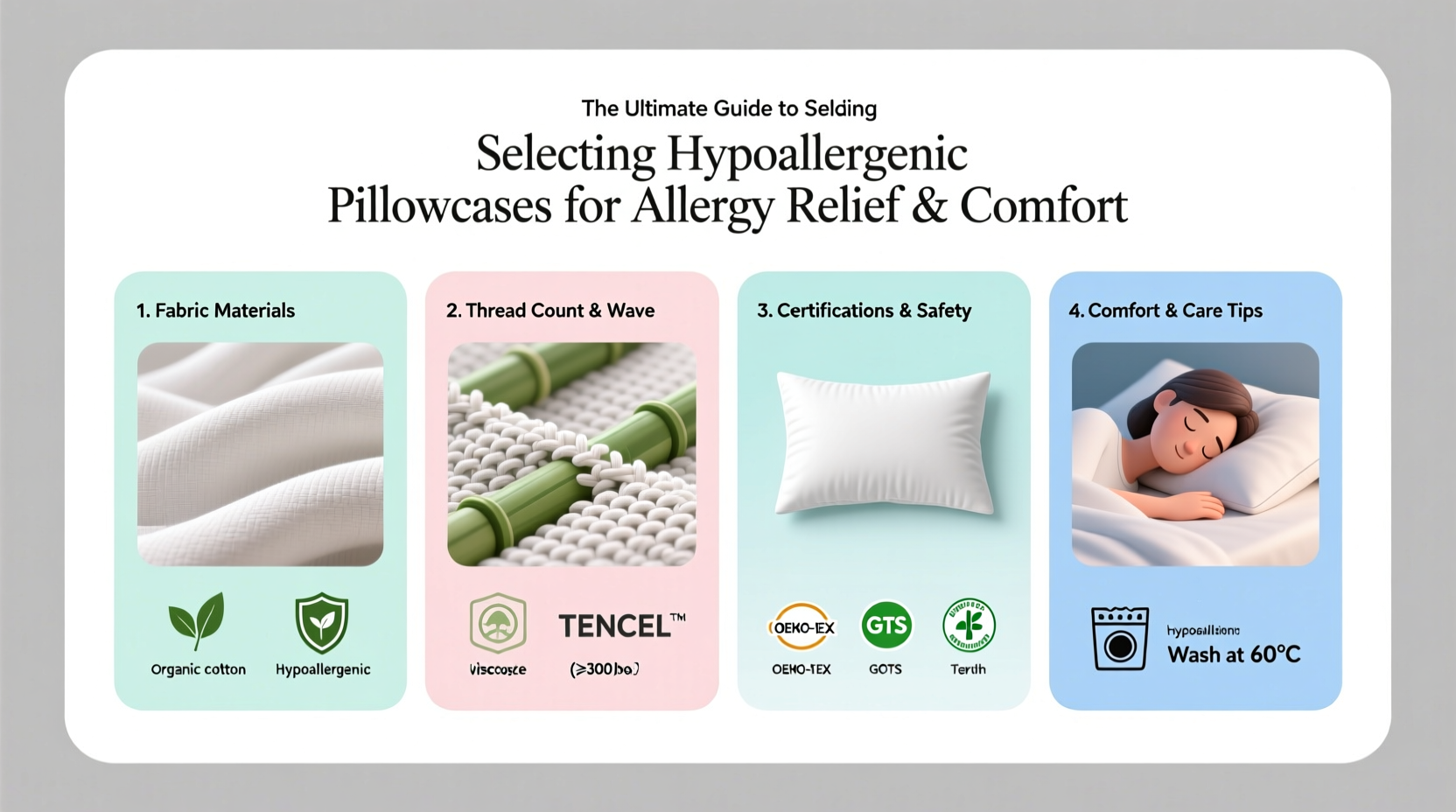
The term “hypoallergenic” means “less likely to cause an allergic reaction.” In the context of bedding, it refers to materials engineered or naturally structured to resist common allergens like dust mites, bacteria, and fungi. However, not all hypoallergenic claims are equal. Some brands use the label loosely, so it's essential to understand which fabrics deliver real results.
Natural fibers like silk and tightly woven organic cotton offer breathability and low reactivity. Silk, in particular, contains sericin, a protein that repels dust mites and resists microbial growth. Meanwhile, high-thread-count cotton with a sateen weave can create a physical barrier against allergens while remaining soft on the skin.
Synthetic options such as TENCEL™ (made from eucalyptus pulp) and microfiber blends treated for antimicrobial properties also perform well. TENCEL™ stands out for its moisture-wicking ability and smooth texture, reducing friction for sensitive skin and hair. However, avoid cheap polyester blends unless certified allergen-resistant—many trap heat and humidity, creating a breeding ground for irritants.
Top Materials Compared: Which Pillowcase Is Right for You?
Different sleepers have different needs. A person with eczema may prioritize softness and moisture control, while someone with asthma might focus on dust mite resistance. Below is a comparison of leading hypoallergenic materials based on performance, durability, and care requirements.
| Material | Allergen Resistance | Breathability | Care Needs | Best For |
|---|---|---|---|---|
| Silk (Mulberry) | High (natural mite resistance) | Excellent | Hand wash or gentle cycle | Sensitive skin, frizzy hair, nighttime allergies |
| TENCEL™ Lyocell | High (moisture-wicking + antimicrobial) | Superior | Machine washable, low shrink | Hot sleepers, acne-prone skin |
| Organic Cotton (Sateen Weave) | Moderate-High (if tightly woven) | Good | Machine washable, durable | Families, children, eco-conscious buyers |
| Microfiber (Certified Hypoallergenic) | Moderate (varies by treatment) | Fair (can retain heat) | Easy care, budget-friendly | Temporary use, cost-sensitive shoppers |
“Hypoallergenic bedding isn’t just about comfort—it’s part of a broader environmental control strategy for managing allergies,” says Dr. Lena Patel, board-certified allergist. “A pillowcase acts as the first line of defense against airborne and contact allergens during eight hours of close exposure.”
How to Choose the Right Pillowcase: A Step-by-Step Guide
Selecting the ideal hypoallergenic pillowcase involves more than just fabric type. Follow this sequence to ensure your choice aligns with your health goals and lifestyle.
- Assess Your Allergy Triggers: Are you reacting to dust mites, pet dander, or mold? Dust mite sufferers benefit most from tightly woven or naturally resistant fabrics like silk or TENCEL™.
- Check Weave Density: Higher thread count alone doesn’t guarantee protection. Opt for sateen, percale, or twill weaves with a tight construction that blocks particles under 10 microns.
- Prioritize Skin and Hair Sensitivity: If you have eczema, rosacea, or fine hair prone to breakage, smooth surfaces like silk or TENCEL™ reduce friction and irritation.
- Evaluate Temperature Regulation: Overheating worsens congestion and sweating, attracting microbes. Breathable, moisture-wicking fabrics help maintain a stable microclimate.
- Verify Certifications: Don’t rely on marketing terms. Confirm OEKO-TEX®, GOTS, or Asthma & Allergy Friendly® certification through the manufacturer’s website.
- Test for Comfort: Even the most protective fabric fails if it feels rough or slips off the pillow. Try one pillowcase before upgrading your entire set.
Real-Life Example: How Sarah Reduced Her Nighttime Allergies
Sarah, a 34-year-old teacher from Portland, struggled with persistent morning sneezing, itchy eyes, and dry facial skin. Despite using an air purifier and washing her bedding weekly, her symptoms persisted. After consulting an allergist, she learned her cotton pillowcase—though labeled “soft”—was harboring dust mites due to its loose weave and frequent exposure to humidity.
She switched to a TENCEL™ pillowcase certified by OEKO-TEX® and paired it with a zippered allergen-proof pillow encasement. Within two weeks, her nighttime congestion improved, and her skin felt less irritated upon waking. “I didn’t realize how much my pillowcase was contributing,” she said. “Now I sleep through the night without reaching for antihistamines.”
Essential Care Tips to Maintain Allergen Protection
A hypoallergenic pillowcase only stays effective with proper maintenance. Allergens accumulate over time, especially from sweat, dead skin cells, and airborne particles. Establish a cleaning routine that preserves fabric integrity while maximizing hygiene.
- Wash every 3–7 days, depending on usage and climate.
- Use fragrance-free, dye-free detergent to avoid skin irritation.
- Avoid fabric softeners—they coat fibers and reduce breathability.
- Tumble dry on low or air-dry to prevent shrinkage, especially for silk.
- Replace pillowcases every 1–2 years, or sooner if pilling, thinning, or discoloration occurs.
FAQ: Common Questions About Hypoallergenic Pillowcases
Can hypoallergenic pillowcases eliminate allergies completely?
No single product can eliminate allergies, but hypoallergenic pillowcases significantly reduce exposure to common triggers like dust mites and mold spores. They work best as part of a comprehensive approach including regular cleaning, air filtration, and medical management when needed.
Are silk pillowcases truly hypoallergenic?
Yes, high-quality mulberry silk is naturally hypoallergenic due to its protein structure and smooth surface, which resists mites and microbes. However, ensure the silk is pure (not blended with synthetic fibers) and properly cared for to maintain these properties.
Do I still need an allergen-proof pillow encasement?
Yes. While the pillowcase protects the surface, an allergen-proof encasement seals the entire pillow, preventing mites from colonizing inside. Think of the pillowcase as daily armor and the encasement as long-term containment.
Final Checklist Before You Buy
Before purchasing, ask yourself these key questions:
- ✅ Is the fabric certified hypoallergenic by a recognized standard?
- Look for OEKO-TEX®, GOTS, or Asthma & Allergy Friendly® labels.
- ✅ Does it match my sleep environment?
- Hot sleepers should choose breathable TENCEL™ or silk; cooler climates may tolerate cotton sateen.
- ✅ Can I maintain it easily?
- If hand-washing silk isn't practical, opt for machine-washable TENCEL™ or certified microfiber.
- ✅ Does it fit my pillow size and type?
- Standard, queen, king, and specialty pillows (like cervical) require specific dimensions.
Take Control of Your Sleep Environment Today
Your pillowcase is more than a decorative accessory—it’s a critical component of your nightly wellness routine. By choosing a scientifically backed, genuinely hypoallergenic option, you invest in uninterrupted sleep, healthier skin, and reduced reliance on medications. Whether you’re managing chronic allergies or simply seeking a cleaner, more comfortable rest, the right pillowcase makes a measurable difference. Start small: replace one pillowcase, observe the changes, and build a sleep sanctuary that truly supports your health.




 浙公网安备
33010002000092号
浙公网安备
33010002000092号 浙B2-20120091-4
Comments
No comments yet. Why don't you start the discussion?