
Choosing a backpack isn’t just about aesthetics—it’s about function, comfort, and longevity. For students, remote workers, digital nomads, or daily commuters, a canvas computer backpack serves as both a practical tool and a personal statement. Canvas offers durability and timeless style, but not all models are created equal. With so many options on the market, making the right choice requires understanding your lifestyle, usage patterns, and the subtle differences in materials, design, and ergonomics.
Understand Your Daily Use Case
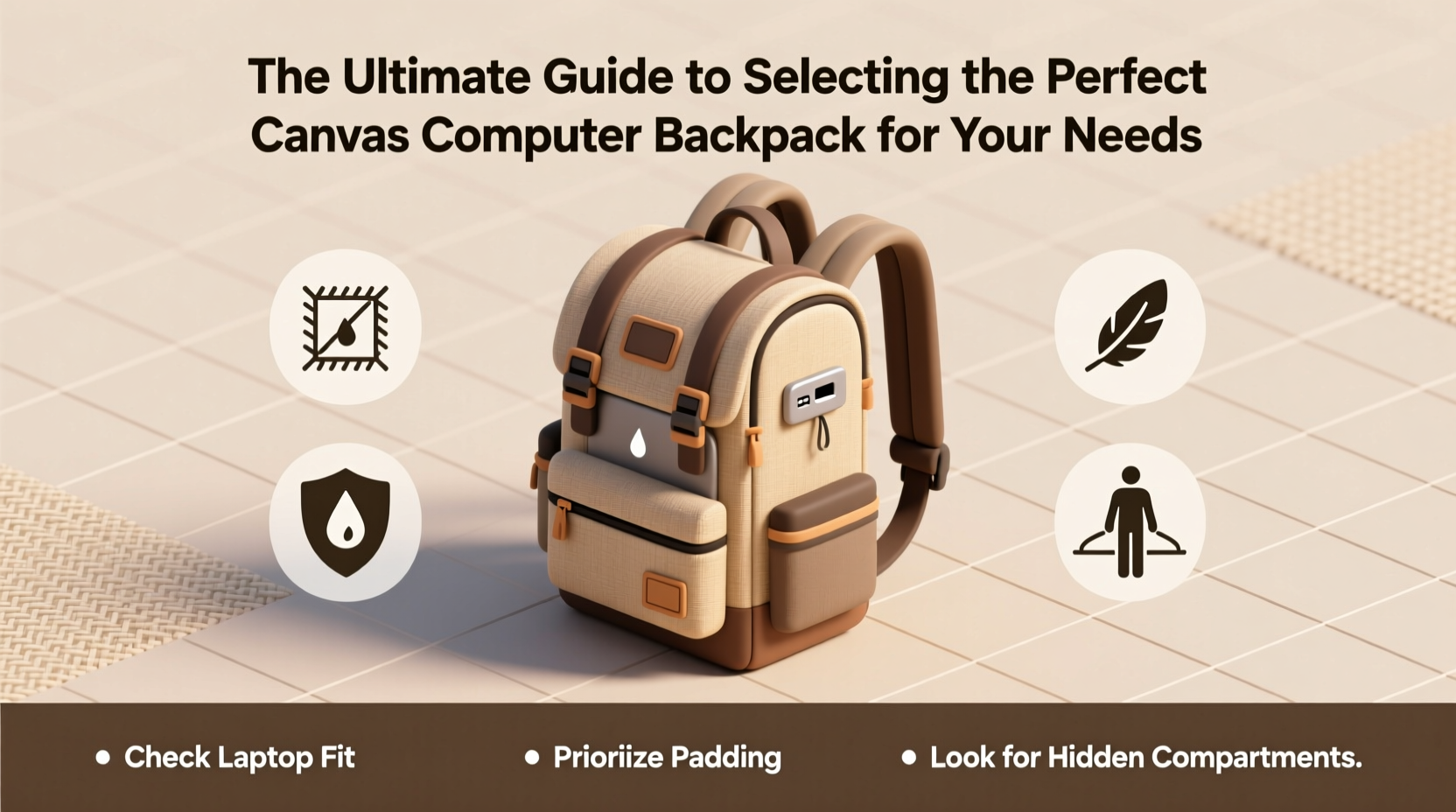
The first step in selecting the ideal backpack is identifying how you’ll use it. A college student carrying textbooks, a laptop, and gym clothes has different needs than a freelance designer traveling between cafes with just a tablet and charger. Consider:
- Load weight: Will you carry 5 pounds or 15? Heavy loads demand superior padding and frame support.
- Commute type: Walking, biking, or public transit? Weather resistance and accessibility matter more if you're outdoors frequently.
- Device protection: Do you carry one device or multiple? Look for padded, suspended compartments that prevent impact damage.
- Dress code: Is your environment casual or professional? Some canvas backpacks lean streetwear; others mimic briefcase elegance.
Material Quality and Durability Factors
Canvas may seem simple, but its quality varies widely. The best backpacks use tightly woven, heavyweight cotton or blended canvas (often with polyester or nylon) for enhanced water resistance and tear strength. Key indicators of high-quality canvas include:
- Denier count: A higher denier (e.g., 600D or above) means greater durability.
- Water-resistant coating: Look for PU-coated or waxed canvas to handle light rain.
- Reinforced stitching: Double or triple stitching at stress points (straps, base, zippers) prevents premature wear.
- Hardware quality: Metal zippers and buckles outlast plastic components.
“Canvas is only as strong as its weakest point—poor stitching or flimsy zippers will compromise even the thickest fabric.” — Marcus Lin, Product Design Engineer at UrbanGear Labs
Canvas Type Comparison
| Type | Durability | Weather Resistance | Best For |
|---|---|---|---|
| Plain Cotton Canvas | Medium | Low | Casual urban use, dry climates |
| Waxed Canvas | High | High | All-weather commuting, outdoor use |
| Poly-Cotton Blend | High | Moderate | Daily school/work commutes |
| Recycled Canvas Composite | Medium-High | Moderate | Eco-conscious buyers |
Ergonomic Design for Long-Term Comfort
A poorly designed backpack can lead to shoulder strain, back pain, or posture issues over time. Prioritize structural elements that distribute weight evenly and reduce fatigue:
- Padded shoulder straps: Contoured and wide (at least 2 inches) to avoid digging into shoulders.
- Back panel ventilation: Mesh padding or air channels prevent sweat buildup during long walks.
- Sternum and waist straps: Essential for stabilizing heavy loads and reducing shoulder pressure.
- Adjustable fit: Look for sliding sternum straps and customizable torso length.
Try the backpack with weight inside before purchasing. Walk around for several minutes to assess balance. The bag should sit centered between your shoulders and hips, not sagging below the waist or riding too high.
Organization Features That Make a Difference
Clutter leads to frustration and wasted time. A well-organized backpack includes dedicated spaces for every essential. Evaluate these features:
- Laptop compartment: Padded, fits your exact screen size (13”, 15”, or 17”), and ideally has a suspended design to absorb shocks.
- Tablet sleeve: Separate from the laptop section to avoid scratches.
- Front organizer pocket: Holds pens, cables, power banks, and small accessories.
- Side pockets: One for water bottles, another for an umbrella or compact tripod.
- Hidden anti-theft pocket: Located against the back panel for passports, cards, or cash.
- Quick-access top pocket: Ideal for keys, phone, or transit card.
Avoid overly complex layouts. Too many tiny pockets can make items harder to find. Simplicity with smart segmentation wins in daily usability.
Mini Case Study: Alex, Remote Developer & Frequent Traveler
Alex worked remotely from co-working spaces across Southeast Asia. His old canvas backpack lacked a proper laptop sleeve, leading to a cracked MacBook screen after a minor drop. He switched to a waxed canvas model with a suspended 15” compartment, RFID-safe pocket, and side USB charging port (cable routed internally). After six months of constant travel, the bag showed minimal wear and kept his gear organized and secure. “It’s not just a bag,” he said. “It’s my mobile office.”
Selecting the Right Size and Capacity
Backpack capacity is measured in liters. Choosing the right volume ensures you neither under-pack nor overstuff:
- 15–20L: Ideal for day use with just a laptop, notebook, and essentials. Fits under airplane seats.
- 21–28L: Balanced option for students or professionals needing extra layers, lunch, or gym clothes.
- 29L+: Best for extended trips or those carrying photography gear, multiple devices, or bulky supplies.
Measure your laptop’s dimensions and compare them to the manufacturer’s specs. Don’t assume a “fits up to 15-inch” label accommodates your specific model—some ultrabooks are thicker than standard laptops.
Checklist: What to Verify Before Buying
- ✅ Laptop compartment size matches your device
- ✅ Weight distribution feels balanced when loaded
- ✅ Zippers glide smoothly and lock securely
- ✅ Fabric resists water (test with a damp cloth)
- ✅ Straps are adjustable and padded
- ✅ Includes hidden or secure pockets
- ✅ Manufacturer offers warranty or repair service
Frequently Asked Questions
Can I wash a canvas computer backpack?
Most canvas backpacks should not be machine-washed. Instead, spot-clean with mild soap and a damp cloth. Remove all electronics first. Let it air-dry away from direct heat or sunlight to prevent warping or mold.
How do I protect my laptop from rain?
Even water-resistant canvas isn’t fully waterproof. Use a dedicated rain cover or pack your laptop in a padded sleeve inside a sealed plastic bag during downpours. Some premium backpacks include built-in rain hoods stored in the base compartment.
Are canvas backpacks suitable for international travel?
Yes, especially waxed or blended canvas models. They’re durable, stylish, and often meet airline carry-on size limits. Just ensure the design supports security screening—quick-access laptop compartments save time at checkpoints.
Final Thoughts and Action Steps
The perfect canvas computer backpack blends form and function. It protects your tech, supports your body, and adapts to your routine without compromising on style. Don’t settle for generic designs or vague claims of “durability.” Test the build quality, assess the layout, and consider your real-world needs.
Start by listing what you carry daily. Then, compare three top contenders using the checklist above. Try them on with weight inside, examine stitching and zippers, and read verified customer reviews focusing on long-term use. A great backpack pays for itself in saved time, reduced stress, and lasting reliability.




 浙公网安备
33010002000092号
浙公网安备
33010002000092号 浙B2-20120091-4
Comments
No comments yet. Why don't you start the discussion?