
Choosing the right saddle bag isn’t just about style—it’s about function, balance, and ensuring your ride remains comfortable and efficient. Whether you're a daily commuter, weekend tourer, or off-road explorer, the size of your saddle bag directly impacts weight distribution, aerodynamics, and accessibility. Too small, and you can't carry essentials. Too large, and you risk instability or interference with your pedaling motion. This guide breaks down everything you need to know to select the ideal saddle bag size based on your riding style, gear requirements, and bike compatibility.
Understand Your Riding Style and Needs
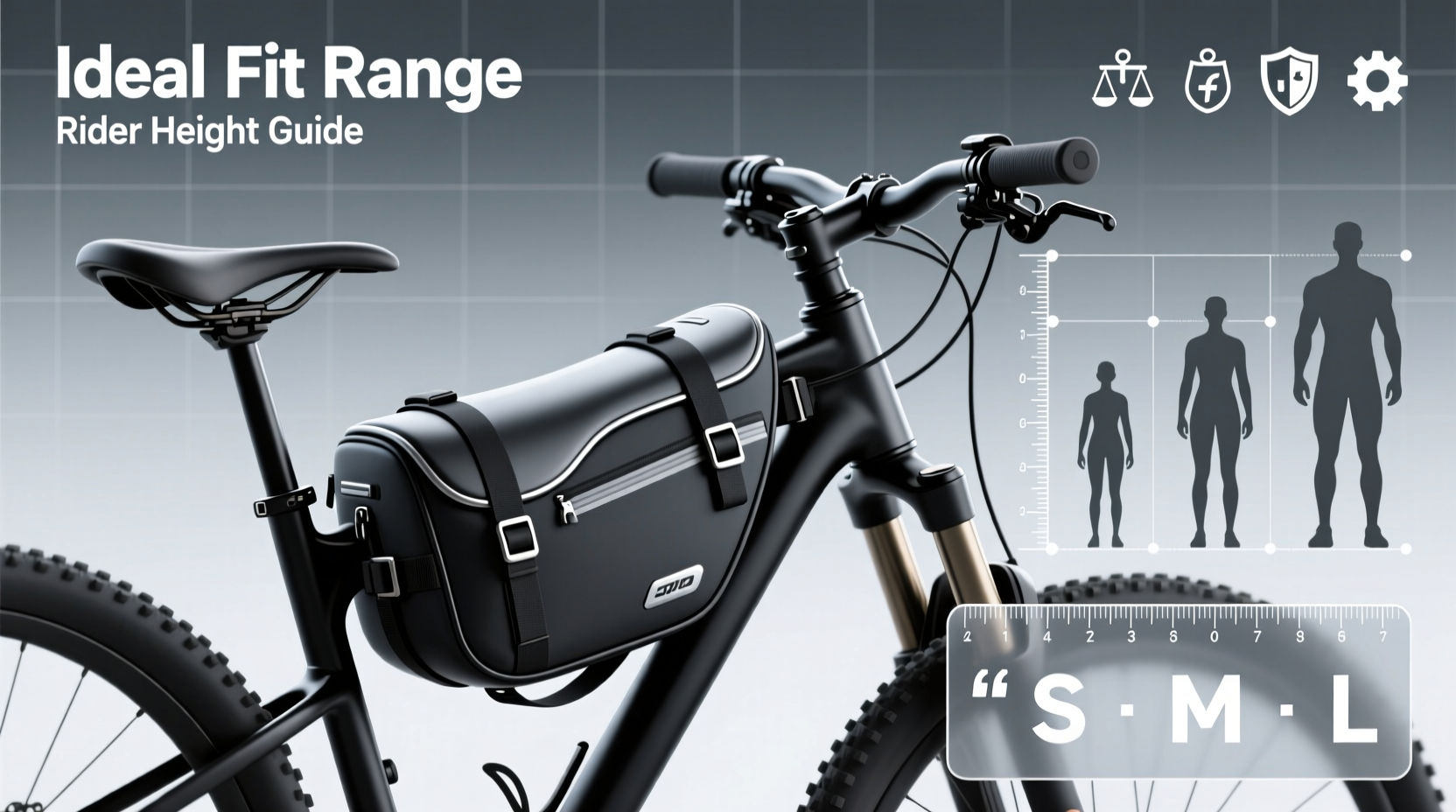
The first step in choosing the right saddle bag is identifying how and where you ride. Different disciplines demand different storage solutions:
- Commuting: You may need space for a lock, spare tube, multi-tool, rain jacket, and maybe lunch. Compact but functional bags are ideal.
- Touring: Long-distance riders often require larger capacity for tools, snacks, maps, and emergency supplies. A mid-sized to large bag with secure mounting is essential.
- Racing or Performance Riding: Minimalist setups prevail. Riders prioritize low weight and aerodynamic profiles, often opting for ultra-slim bags holding only a tube, CO2 cartridge, and tire levers.
- Mountain Biking: Trail conditions demand durability and quick access. Mid-capacity bags that stay secure over rough terrain are preferred.
Matching your bag size to your typical ride duration and purpose prevents overpacking or under-preparing.
Key Sizing Categories and What They Hold
Saddle bags generally fall into three main size categories. Understanding what each can accommodate helps narrow your options.
| Size Category | Volume Range | Typical Contents | Best For |
|---|---|---|---|
| Compact (Mini) | 0.3 – 0.5 liters | One spare tube, mini pump or CO2, tire levers | Racers, lightweight road riders |
| Standard (Mid-Size) | 0.6 – 1.0 liters | Tube, multi-tool, patch kit, small snack, phone | Commuters, sport riders, gravel enthusiasts |
| Extended (Large/Adventure) | 1.1 – 2.0+ liters | All above plus rain shell, gloves, extra food, camera | Tourers, bikepackers, long trail rides |
Note that volume alone doesn’t tell the full story—shape matters too. Some bags are long and narrow; others are deeper and wider. Always check dimensions against your saddle clearance.
Step-by-Step: How to Measure Compatibility
A perfectly sized bag is useless if it doesn’t fit securely on your bike. Follow these steps to ensure compatibility:
- Check Saddle Clearance: Measure the distance between the back of your saddle and the rear wheel. Most standard saddles allow 7–12 cm. Bags should not extend past the saddle tip or interfere with leg movement.
- Assess Rail Attachment Points: Many bags clamp onto seat rails. Confirm your saddle has accessible rails (avoid carbon rails unless the bag specifies compatibility).
- Test for Tire Proximity: Inflate your tires to max pressure and spin the wheel. Ensure no part of the bag—even when loaded—comes within 2 cm of the tire.
- Consider Seatpost Diameter: Some saddle bags use seatpost-mounted straps. Measure your post (common sizes: 27.2mm, 30.9mm, 31.6mm) to confirm strap adjustability.
- Do a Loaded Test Ride: Install the bag with typical contents and ride for 10–15 minutes. Check for bouncing, rubbing, or noise.
“Many riders overlook dynamic fit—how the bag behaves when moving. Static fit is just the start.” — Daniel Reeves, Bike Fitting Specialist at Velocraft Labs
Material, Mounting, and Stability Considerations
Size isn’t just internal volume—it’s also about how the bag maintains its shape and position under load. Materials and mounting systems play a crucial role:
- Nylon vs. TPU-Coated Fabrics: Lightweight nylon works for compact bags, while TPU-coated or welded-seam materials offer better weather resistance for larger, exposed bags.
- Mounting Systems: Dual-point rail clamps reduce bounce. Elastic straps suit temporary use but lack stability on rough terrain.
- Weight Distribution: Heavier items should sit closest to the frame. Avoid placing dense tools at the far end of long bags to prevent pendulum sway.
Bags with internal dividers or modular compartments help organize gear and maintain balanced weight. Look for models with reinforced anchor points and anti-twist designs.
Real-World Example: Choosing for a Mixed-Use Commuter
Meet Alex, a city rider who commutes 10 miles round-trip daily and occasionally joins weekend group rides. Alex’s needs include:
- Spare tube and tire levers
- Mini multi-tool and chain breaker
- Phone and wallet
- Compact rain jacket
- Energy bar
A compact bag (under 0.5L) would force compromises. A large adventure bag would be overkill and prone to slapping on potholes. After testing, Alex chose a 0.8L water-resistant bag with a rigid internal frame, dual rail mounts, and a stretch top pocket for the jacket. The result? Reliable access, zero bounce, and enough room to adapt as seasons change.
Essential Checklist Before Buying
Before finalizing your saddle bag purchase, run through this checklist:
- ✅ Measured clearance between saddle and wheel
- ✅ Confirmed compatibility with saddle rails or seatpost
- ✅ Verified volume meets typical gear load (not maximum possible)
- ✅ Checked weight and material durability for intended use
- ✅ Ensured easy one-hand access if needed during rides
- ✅ Reviewed waterproofing or included rain cover
- ✅ Tested mounting mechanism for tool-free installation/removal
Frequently Asked Questions
Can I use a large saddle bag on a road bike?
Yes, provided there’s sufficient clearance and the bag doesn’t interfere with pedaling or wheel movement. Many endurance and gravel-oriented road bikes accommodate bags up to 1.5L. Always test with inflated tires and under load.
How do I stop my saddle bag from bouncing?
Bouncing is usually due to improper mounting. Ensure rail clamps are tight and positioned correctly. Use bags with rigid internal structures or foam backing. Avoid overloading beyond recommended capacity.
Are bigger saddle bags less aerodynamic?
Marginally. While any added object creates drag, real-world impact from a well-designed 1L bag is minimal—typically less than 1 watt at 25 mph. For most riders, the utility outweighs the negligible aerodynamic cost.
Final Thoughts: Size Smart, Ride Better
Selecting the perfect saddle bag size comes down to balancing practicality, fit, and riding intent. There’s no universal “best” size—only the best size for your rides. Whether you’re clipping into pedals for a morning commute or loading up for a backcountry loop, the right saddle bag keeps your essentials secure, accessible, and out of the way. Take the time to assess your needs, measure your setup, and test before committing. A well-chosen bag fades into the background—exactly where it should be.




 浙公网安备
33010002000092号
浙公网安备
33010002000092号 浙B2-20120091-4
Comments
No comments yet. Why don't you start the discussion?