
Selecting the right vase isn’t just about aesthetics—it’s a foundational decision that shapes the success of any floral arrangement. Too tall, and your blooms disappear into the neck. Too short, and stems sprawl without structure. The difference between an amateur display and a professional-looking centerpiece often comes down to one thing: proportion. Understanding how to match vase size to flower type, stem length, and intended setting transforms fleeting bouquets into lasting visual statements.
The Proportion Principle: Why Vase Size Matters
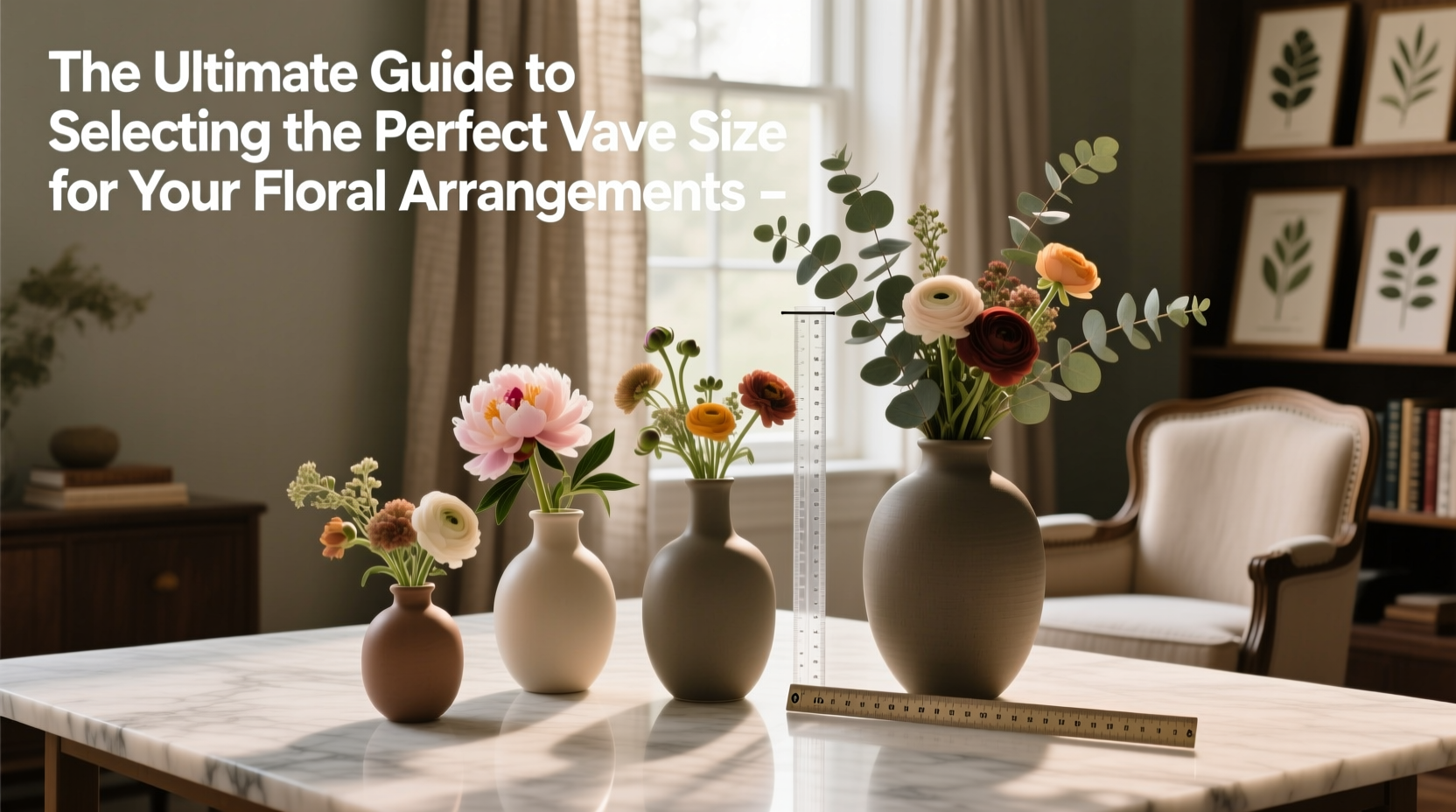
Floral design relies on balance. A well-proportioned arrangement follows an invisible rule: the height of the flowers should be 1.5 to 2 times the height of the vase. This creates visual harmony whether the piece sits on a dining table or greets guests in a foyer. When stems are too long for the container, the bouquet appears top-heavy. Conversely, short stems in a tall vase leave empty space that undermines cohesion.
Vase width is equally important. Narrow vases support upright arrangements like tulips or gladioli, while wide-mouth containers accommodate sprawling designs such as garden-style bouquets. The opening also affects stability—tight necks keep stems aligned, whereas broad rims require frog pins or tape grids to maintain shape.
Choosing by Flower Type and Stem Length
Different flowers demand different vase profiles. Long-stemmed varieties like roses, lilies, and snapdragons thrive in taller vases (8–12 inches), where their vertical lines can unfold gracefully. Shorter blooms such as daisies, ranunculus, or carnations work best in low or medium-height vases (4–7 inches), allowing their full form to be appreciated without being stretched beyond natural proportions.
Bulb flowers like hyacinths or amaryllis benefit from tapered vases that cradle the bulbs slightly below the rim, giving the illusion of growth from within the glass. Delicate stems like cherry blossoms or forsythia look elegant in slender cylinders, where their arching branches can cascade naturally.
“Vase selection is not decoration—it’s architecture. It supports the emotional tone of the arrangement.” — Clara Mendez, Botanical Designer & Author of *Living Arrangements*
Room-by-Room Vase Sizing Guide
The function of a space dictates the ideal vase dimensions. A centerpiece meant for conversation shouldn’t obstruct sightlines across a table. A statement piece in a grand entryway can afford drama and scale.
| Room | Recommended Vase Height | Flower Style | Notes |
|---|---|---|---|
| Dining Table | 4–7 inches | Low, rounded arrangements | Avoid blocking views; use clear glass for lightness |
| Living Room Console | 8–10 inches | Mixed height with greenery | Add depth with trailing ivy or ruscus |
| Bathroom Vanity | 3–5 inches | Single stem or mini bouquet | Use waterproof bases; avoid mold-prone materials |
| Entryway Table | 10–14 inches | Tall, dramatic stems | Create impact with monochromatic lilies or birds of paradise |
| Kitchen Counter | 6–8 inches | Herbs or wildflowers | Functional beauty—keep rosemary or thyme within reach |
Step-by-Step: How to Match Vase and Flowers
Follow this sequence to ensure every arrangement feels intentional and balanced.
- Evaluate your flowers. Note stem length, bloom size, and structural needs. Are they rigid or floppy? Do they branch outward?
- Measure the average stem. After trimming, check how much length remains. Multiply by 1.5 to estimate ideal vase height.
- Assess the vase opening. Can it support the number of stems? Will blooms fit without crowding?
- Test the fit. Place stems in water before cutting final lengths. Adjust until the top third of the arrangement fans out naturally.
- Check stability. Gently tilt the vase. If stems shift excessively, consider a narrower container or use floral foam for support.
Mini Case Study: The Overlooked Entryway Vase
Sarah, a homeowner in Portland, struggled with her front hall table. She’d place large bouquets in a short compote vase, only to have blooms flop over within hours. After consulting a local florist, she switched to a 12-inch cylindrical vase with a 3-inch mouth. By trimming her sunflowers and dahlias to 18 inches, she achieved a 1.5:1 ratio. The result was immediate: fuller volume, longer vase life, and a welcoming focal point visible from the doorway. The change wasn’t in the flowers—it was in the container.
Common Mistakes and How to Avoid Them
- Ignoring scale. A massive bouquet in a tiny vase looks unstable. Always consider room size and furniture proportions.
- Overfilling. Crowded stems block light and airflow, accelerating petal drop. Leave breathing room between blooms.
- Mismatching style and function. A delicate crystal bud vase may not hold up to heavy hydrangeas. Match material strength to floral weight.
- Forgetting water capacity. Shallow vases dry out fast. For long-lasting arrangements, choose containers holding at least 16 oz of water.
Expert Checklist: Selecting Your Ideal Vase
Before purchasing or arranging, run through this checklist:
- ✅ Is the vase height 1/2 to 2/3 the length of the flower stems?
- ✅ Does the opening allow for proper stem spacing?
- ✅ Is the base wide enough to prevent tipping?
- ✅ Will the material complement the room’s decor (e.g., matte ceramic in rustic spaces, glass in modern settings)?
- ✅ Can it be easily cleaned and refilled?
- ✅ Is it appropriate for the flower type (e.g., narrow for line flowers, wide for mass blooms)?
Frequently Asked Questions
Can I use a tall vase for short-stemmed flowers?
Yes, but only with support. Use floral frogs, tape grids, or pebbles to elevate the stems and prevent them from sinking. Otherwise, the arrangement will lack structure and hydration.
How do I know if a vase is too wide?
If stems move freely when you gently shake the vase, the opening is too large. Blooms should feel supported, not loose. For wide vases, group stems tightly or use filler like baby’s breath to create density.
Should vase color affect my choice?
Yes. Clear glass highlights water clarity and stem lines, ideal for minimalist designs. Colored or opaque vases add mood and hide cluttered stems, making them better for mixed bouquets. Avoid clashing tones—soft pastels pair well with milkglass, while bold flowers stand out against neutral ceramics.
Final Thoughts: Elevate Every Arrangement with Intention
The perfect vase doesn’t just hold flowers—it completes them. Whether you’re styling a Sunday brunch centerpiece or crafting a sympathy bouquet, the vessel plays a silent but critical role in balance, longevity, and visual impact. By respecting proportion, context, and botanical needs, you turn simple cuttings into curated moments of beauty. Don’t underestimate the power of a well-chosen container. It’s not just a holder—it’s the foundation of floral artistry.




 浙公网安备
33010002000092号
浙公网安备
33010002000092号 浙B2-20120091-4
Comments
No comments yet. Why don't you start the discussion?