
A clean and well-placed litter box is the cornerstone of feline hygiene and household harmony. Cats are naturally fastidious animals, and their willingness to use a litter box depends heavily on how it’s set up. Poor placement, incorrect litter type, or infrequent cleaning can lead to avoidance behaviors—and even inappropriate elimination elsewhere in the home. Getting the setup right from the start prevents problems, reduces odors, and supports your cat’s emotional well-being.
Choose the Right Litter Box
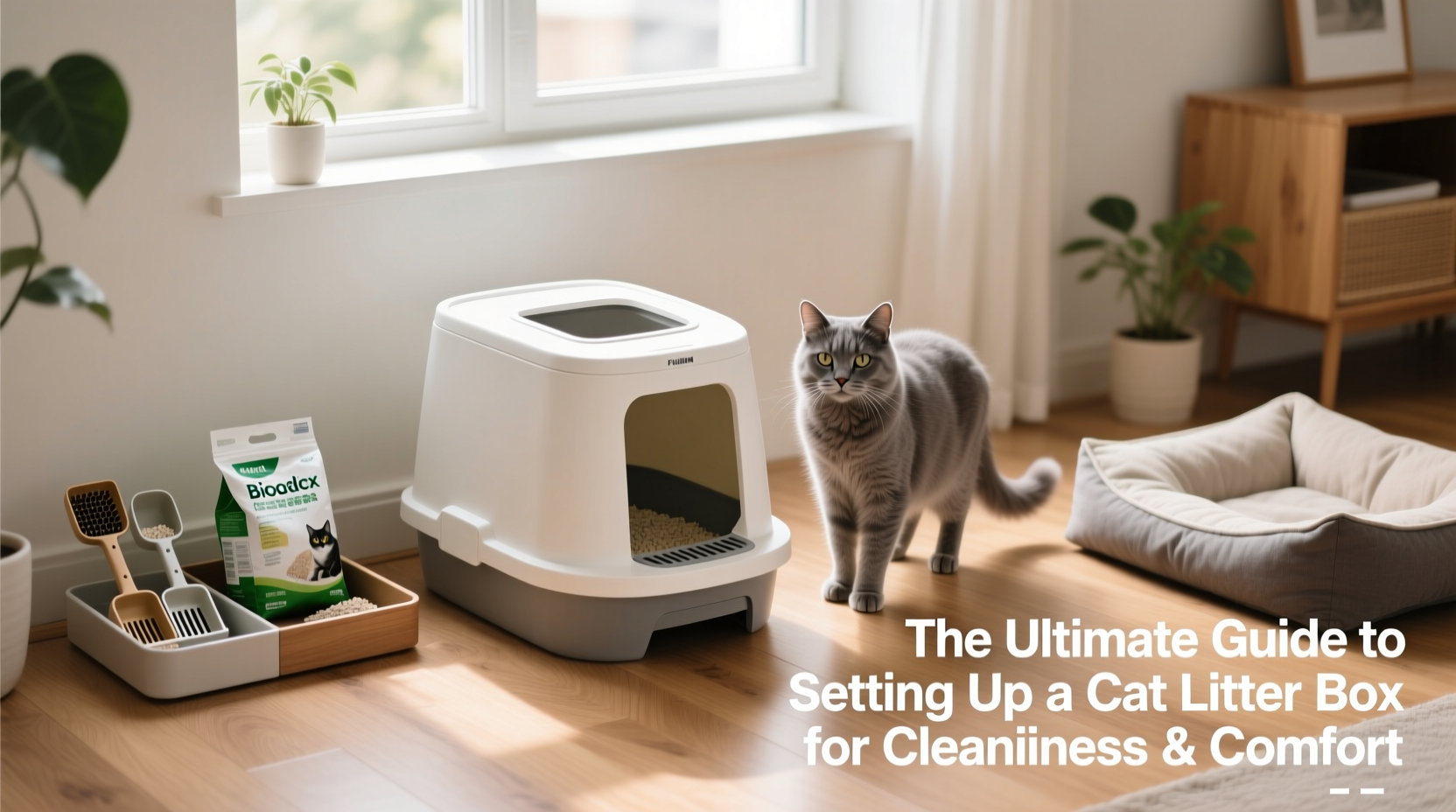
The size, style, and number of litter boxes matter more than many owners realize. A cramped or awkwardly shaped box can deter use, especially in older cats or larger breeds. The general rule: the box should be 1.5 times the length of your cat from nose to tail base. For example, if your cat is 18 inches long, the box should be at least 27 inches long.
There are several types available:
- Open-top boxes: Offer easy access and better airflow, ideal for cats who dislike confinement.
- Covered boxes: Provide privacy and help contain odor and litter scatter—but may trap smells that discourage sensitive cats.
- Top-entry boxes: Reduce litter tracking but can be difficult for older or arthritic cats to climb into.
- Self-cleaning boxes: Automatically sift waste, reducing daily maintenance. However, some cats are startled by the motorized mechanism.
Select the Best Litter for Your Cat
Litter choice impacts both cleanliness and comfort. Cats have strong preferences based on texture, scent, and clumping ability. Scented litters may seem appealing to humans, but many cats avoid them due to the overpowering fragrance.
| Litter Type | Pros | Cons |
|---|---|---|
| Clay (non-clumping) | Inexpensive, widely available | Poor odor control, high dust, not eco-friendly |
| Clumping clay | Easy scooping, good odor control | Dusty, not safe if ingested (especially kittens) |
| Silica crystals | Excellent odor absorption, low tracking | Expensive, some cats dislike the texture |
| Plant-based (corn, wheat, pine) | Eco-friendly, biodegradable, low dust | May not clump as tightly, some are not flushable |
“Cats often reject litter boxes not because of training issues, but due to sensory discomfort. Texture and smell are critical.” — Dr. Lena Patel, Feline Behavior Specialist
Strategic Placement for Privacy and Accessibility
Location is just as important as the box itself. Cats value privacy when eliminating. A litter box tucked in a noisy laundry room with a constantly running dryer—or near food and water bowls—can cause stress and avoidance.
Follow these placement guidelines:
- Place boxes in quiet, low-traffic areas.
- Ensure at least one box is on every floor of a multi-level home.
- Keep boxes away from appliances that make sudden noises (e.g., furnaces, washers).
- Never place food and water directly next to the litter box—cats instinctively avoid toileting near eating areas.
- Ensure accessibility for older or disabled cats (avoid high thresholds or tight corners).
A common mistake is confining all litter boxes to a single utility room. While convenient for cleaning, this setup fails if you have multiple cats. Territorial disputes can prevent subordinate cats from accessing the box.
Mini Case Study: Resolving Litter Box Avoidance
Sarah adopted two cats, Milo and Leo. After a few weeks, Leo began urinating beside the box in the basement. She assumed he was marking, but after consulting a behaviorist, she realized the issue: only one box was available, located next to a loud sump pump. Milo, the dominant cat, often lounged nearby, blocking access. Sarah added a second box on the main floor in a quiet closet. Within days, Leo resumed proper use. The solution wasn’t punishment—it was proper placement and quantity.
Step-by-Step Setup Guide
Follow this sequence to ensure optimal setup:
- Choose the right box: Select an appropriately sized, open or covered box based on your cat’s age and mobility.
- Pick a suitable litter: Start with unscented, clumping clay or a natural alternative like pine pellets. Introduce new litters gradually if switching.
- Fill to proper depth: Use 2–3 inches of litter. Too little discourages digging; too much increases tracking.
- Position thoughtfully: Place in a quiet, accessible area away from noise, food, and foot traffic.
- Maintain daily: Scoop solid waste and clumps at least once per day. Complete litter changes every 2–4 weeks, depending on usage.
- Clean the box: Wash monthly with mild soap and water. Avoid ammonia or citrus cleaners, which mimic urine scents and repel cats.
How Many Boxes Do You Need?
Veterinarians and behaviorists consistently recommend the “n+1” rule: one box per cat, plus one extra. For one cat, that means two boxes; for two cats, three boxes. This prevents competition and provides alternatives during cleaning.
Boxes should be spaced apart—not lined up side by side—so each feels like a distinct territory. Clustering boxes can create a “bathroom hallway” that intimidates shy or lower-ranking cats.
Checklist: Litter Box Success Essentials
- ☑ At least one litter box per floor
- ☑ Unscented, low-dust litter
- ☑ Box size appropriate for your cat’s body
- ☑ Scooped daily, deep cleaned monthly
- ☑ Located in quiet, accessible spots
- ☑ Not placed near food or loud appliances
- ☑ One extra box beyond the number of cats
Frequently Asked Questions
Why is my cat scratching outside the box instead of inside?
Scratching is a natural instinct to cover waste, but if the sides are too high or the litter is too shallow, your cat may do it from outside the box. Try a larger box or increase litter depth. Some cats also prefer separate areas for digging and covering.
Can I use regular household cleaners on the litter box?
No. Harsh chemicals like bleach or ammonia leave residues that mimic urine odors to cats, encouraging re-soiling. Use warm water and mild dish soap. Rinse thoroughly.
My cat suddenly stopped using the box. What should I do?
First, rule out medical issues—urinary tract infections and bladder stones are common causes. Schedule a vet visit. If health is clear, assess changes in litter, location, or household stress (new pets, moves, etc.). Reintroduce the box gradually with positive reinforcement.
Final Thoughts
A well-maintained litter box isn’t just about convenience—it’s a vital part of your cat’s physical and emotional health. By choosing the right equipment, placing it wisely, and committing to consistent cleaning, you create an environment where your cat feels safe and respected. Small adjustments in setup can lead to dramatic improvements in behavior and home cleanliness.




 浙公网安备
33010002000092号
浙公网安备
33010002000092号 浙B2-20120091-4
Comments
No comments yet. Why don't you start the discussion?