
Sharing apps between iPhones is more than just a convenience—it's a way to save money, streamline device setup, and keep loved ones equipped with the tools they need. While Apple’s Family Sharing is widely known, it comes with limitations: only six members, requirement of a shared payment method, and restrictions on transferring ownership. For users who want more flexibility—whether helping an elderly parent install a health app or gifting a productivity tool to a friend—alternative methods are essential. This guide explores practical, secure, and often overlooked techniques to share apps beyond the boundaries of Family Sharing.
Why Look Beyond Family Sharing?
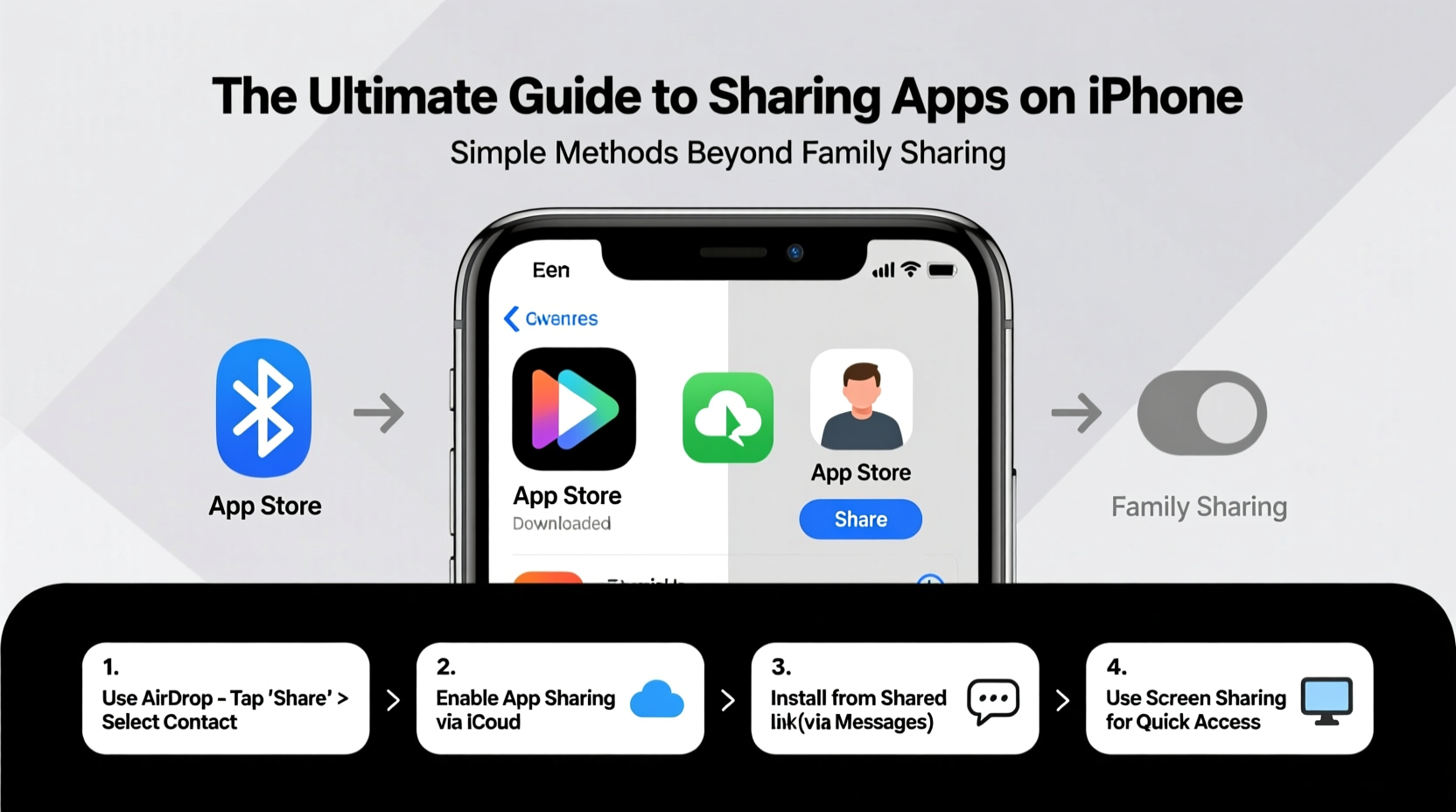
Family Sharing is ideal for households under one roof, but it doesn’t suit every scenario. Consider these common situations:
- A college student wants to share a downloaded study app with a sibling who uses a different Apple ID.
- An expatriate wishes to install a navigation app on their parent’s iPhone back home without managing payments.
- A small business owner needs to deploy custom tools across employee devices without merging personal accounts.
In such cases, relying solely on Family Sharing falls short. The good news? Apple’s ecosystem offers subtle yet powerful alternatives that don’t compromise security or usability.
“Most people think Family Sharing is the only way to distribute apps, but there are smarter, more targeted options once you understand iCloud and account handoffs.” — Jordan Lee, iOS Systems Consultant
Method 1: Direct App Transfer via Same Wi-Fi (AirDrop + Manual Installation)
While iOS doesn't allow direct app file transfers like Android APKs, you can use a workaround involving iCloud sync and AirDrop for non-purchased content sharing.
This method works best for free apps or when both users have already purchased the same app but want to avoid redownloading.
Step-by-Step Guide to Sync Apps Using Shared Network
- Ensure both iPhones are signed into separate Apple IDs but connected to the same Wi-Fi network.
- On the sender’s device, open the App Store, go to your profile, and tap “Purchased.”
- Find the desired app and note its version and developer.
- Download the app if not already installed.
- Use AirDrop to send a link to the app’s App Store page (via Messages or Notes).
- The recipient opens the link and downloads the app using their own account.
This isn’t true file transfer, but it ensures the correct app reaches the right person quickly—especially useful for older adults unfamiliar with searching the App Store.
Method 2: Shared Apple ID for App Purchases (With Caution)
A dedicated Apple ID used solely for app purchases allows multiple users to download the same paid apps without linking full Family Sharing groups.
This approach requires discipline and clear communication to prevent data mixing.
Best Practices for Shared Purchase Accounts
- Create a new Apple ID using a neutral email (e.g., familyapps@domain.com).
- Add a payment method agreed upon by all contributors.
- Share login details securely—never via text or unencrypted channels.
- On each user’s iPhone: go to Settings → [Name] → Media & Purchases → Use Different Apple ID → sign in with the shared account.
- Users retain their personal data (iCloud, messages, photos) while accessing shared apps.
| Pros | Cons |
|---|---|
| One purchase, multiple downloads | Risk of password exposure |
| No limit on number of devices | Lack of individual update control |
| Works across countries/regions* | Violates Apple’s Terms of Service if abused |
*Region restrictions may still apply depending on App Store policies.
Method 3: Gift an App Directly Through the App Store
One of the most underused yet legitimate features of the App Store is the ability to gift individual apps—perfect for special occasions or professional tools.
How to Gift an App in 5 Steps
- Open the App Store on your iPhone.
- Search for the app you’d like to gift.
- Tap the price button (or “Get” for free apps) and select “Gift This App.”
- Enter the recipient’s email address and choose delivery date.
- Add a personal message and complete the purchase.
The recipient receives an email with redemption instructions and installs the app using their own Apple ID. No account merging required.
“I gifted my niece a coding app for her birthday. She was thrilled—and I didn’t have to add her to my family group or share passwords.” — Daniel Reyes, tech educator
Method 4: Use Guided Access & Shared Devices for Temporary Access
In environments like classrooms, clinics, or rental kiosks, full app sharing isn’t necessary—temporary access suffices.
iOS’s Guided Access mode lets you lock a device into a single app, ideal for controlled sharing.
Setting Up Guided Access for App Demonstration
- Go to Settings → Accessibility → Guided Access.
- Enable Guided Access and set a passcode.
- Open the app you want to share.
- Triple-click the Side button (or Home button on older models).
- Start Guided Access; the user can now interact only within that app.
This method doesn’t transfer ownership but enables safe, focused use—ideal for showing someone how to use a medical tracking app during a hospital visit.
Checklist: Preparing to Share Apps Securely
Before implementing any sharing method, ensure you’ve covered these key points:
- ✅ Confirm both devices run compatible iOS versions
- ✅ Verify internet connectivity (Wi-Fi or cellular)
- ✅ Back up both devices before making account changes
- ✅ Use strong, unique passwords for shared accounts
- ✅ Communicate clearly about usage rights and expectations
- ✅ Review privacy settings post-setup to avoid data leaks
Real Example: Helping a Senior Stay Connected
Maria, a 68-year-old retiree, struggled to install the medication reminder app her doctor recommended. Her daughter, living abroad, used Method 1 to help: she sent a direct App Store link via WhatsApp, walked her through downloading it using her own Apple ID, and enabled FaceTime for future support. No account merging, no payment sharing—just a simple, empowering solution.
Within minutes, Maria had the app running and scheduled her first alert. The success wasn’t just technical—it restored her confidence in managing her health independently.
Frequently Asked Questions
Can I transfer ownership of a paid app to another Apple ID?
No, Apple does not allow transferring app ownership between accounts. However, you can gift the app anew or use a shared Apple ID for purchases.
Is it safe to share an Apple ID for app downloads?
It can be safe if used strictly for media and apps, with two-factor authentication enabled and limited permissions. Avoid using it for iCloud, iMessage, or FaceTime to protect personal data.
Why can’t I see the ‘Gift This App’ option?
Some apps disable gifting at the developer’s request. Additionally, the feature may not be available in all countries or for subscription-based apps.
Conclusion: Share Smarter, Not Harder
Sharing apps on iPhone doesn’t require rigid structures or full account integration. By understanding the nuances of Apple’s ecosystem—from gifting and shared IDs to guided access—you gain the freedom to support others on your terms. These methods aren’t just technical fixes; they’re bridges to connection, care, and collaboration.




 浙公网安备
33010002000092号
浙公网安备
33010002000092号 浙B2-20120091-4
Comments
No comments yet. Why don't you start the discussion?