
Tweed has long stood as a symbol of heritage, durability, and timeless style. Originally crafted for British country pursuits, it evolved into a cornerstone of sartorial elegance. But not all tweed jackets are created equal. Behind the rugged texture lies a world of subtle craftsmanship where material, construction, and finishing tell the story of quality. Knowing what to look for can mean the difference between a jacket that lasts decades and one that frays after a season.
The Foundation: Understanding Tweed Fabric Quality
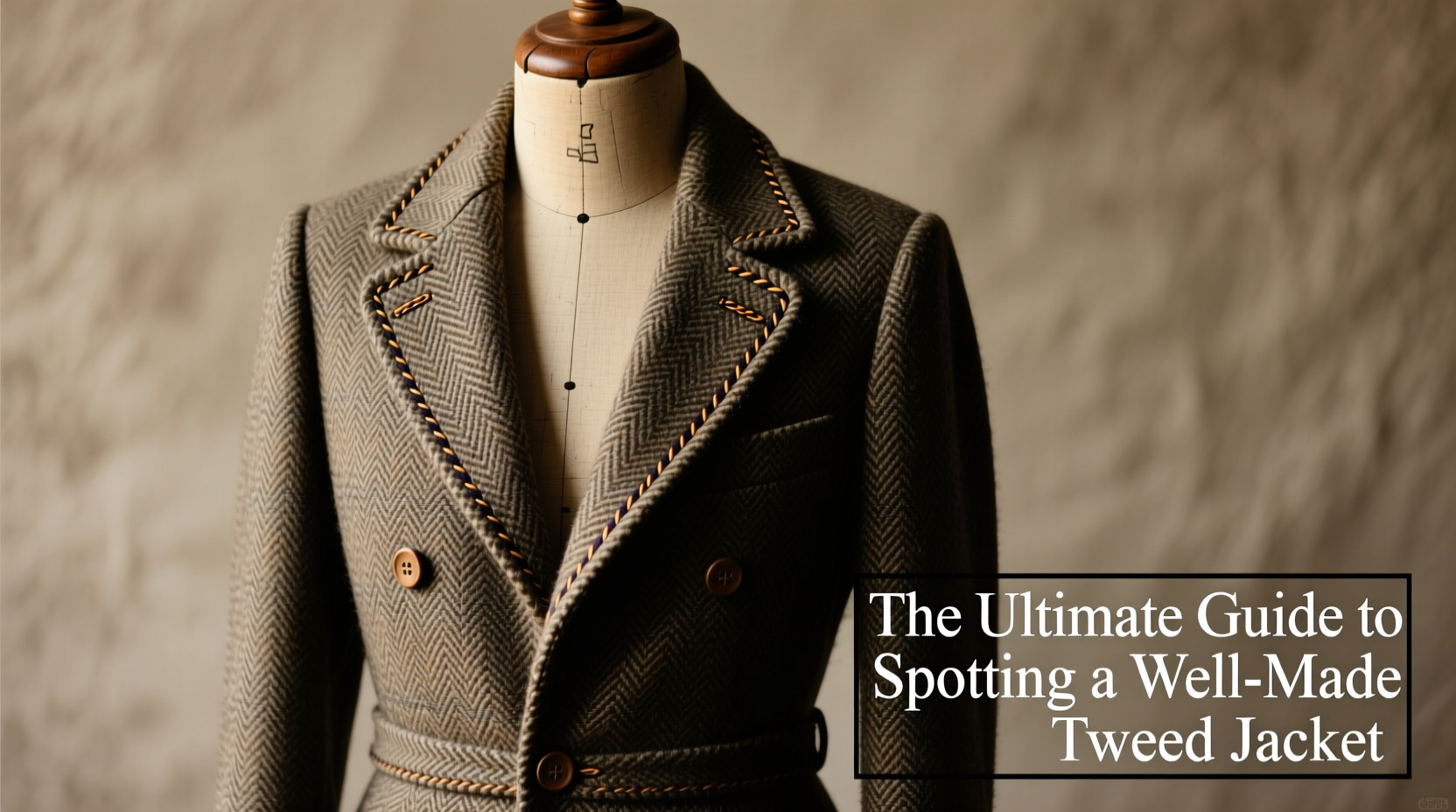
The fabric is the soul of any tweed jacket. Authentic tweed isn’t just wool; it’s a tightly woven textile typically made from carded wool yarns, designed to be wind-resistant and durable. High-quality tweed often comes from Scotland, Ireland, or England, with mills like Harris Tweed, Fox Brothers, and Abraham Moon & Sons setting industry standards.
Look for these characteristics in the fabric:
- Hand-feel and weight: Premium tweed should feel substantial but supple. It shouldn’t be stiff or overly coarse.
- Natural fibers: Pure wool or wool-blends (with mohair or alpaca) indicate higher quality. Avoid synthetic blends—they lack breathability and age poorly.
- Weave complexity: Herringbone, houndstooth, and birdseye weaves aren't just aesthetic—they enhance durability. A tight, consistent weave resists pilling and wear.
- Color depth: Rich, multi-tonal hues suggest natural dyeing processes and blended yarns (known as \"heathered\" colors), rather than flat, single-dye finishes.
Construction That Lasts: The Hidden Details
A jacket’s longevity depends less on its appearance than on how it’s built. Mass-produced garments often rely on fused canvassing and machine stitching, which degrade over time. In contrast, a well-made tweed jacket uses traditional tailoring techniques that allow the garment to mold to the wearer.
Key structural elements include:
Fully or Half-Canvas Construction
Canvas refers to the inner layer between the outer fabric and lining that gives shape to the chest and lapels. Fused canvas (glued to the fabric) is cheaper but prone to bubbling. A half-canvas or full-canvas jacket uses horsehair and layers of cotton, enabling natural drape and resilience.
Hand-Stitched Lapels and Buttonholes
Machine-made buttonholes are uniform but fragile. Hand-stitched buttonholes, especially the bar tack finish at the top, are stronger and signal artisanal care. Similarly, hand-attached lapels roll more naturally and conform better over time.
Functional Sleeve Buttons (Surgeon’s Cuffs)
If the sleeve buttons can be undone, it’s a sign the jacket was constructed with real sleeves set into the armhole—a hallmark of bespoke or premium ready-to-wear tailoring.
“Tweed should move with you, not against you. The best jackets breathe because their structure is alive, not glued together.” — Thomas Reed, Master Tailor, Edinburgh
Stitching and Seam Integrity: The Devil Is in the Details
Examine the seams closely. On a high-quality tweed jacket, stitches should be even, tight, and consistent—typically 8 to 10 stitches per inch. Fewer than 7 indicates rushed machine work.
Flat-felled or lapped seams are common in tweed, reinforcing stress points like side seams and shoulders. These are enclosed within the fabric, preventing fraying and adding durability.
| Feature | High-Quality Indicator | Red Flag |
|---|---|---|
| Stitch Count | 8–10 stitches per inch | Fewer than 7 |
| Seam Finish | Flat-felled or taped | Raw edges, serged only |
| Armhole Lining | Double-layered reinforcement | Thin or missing |
| Pocket Construction | Fabric-cut flaps, lined pockets | Glued-on flaps, thin linings |
Real-World Example: How One Jacket Outlasted Five Others
In a five-year field test, a group of outdoor enthusiasts wore different tweed jackets during seasonal hikes and rural events. All started with similar use patterns. By year three, four of the five showed signs of wear: puckering lapels, loose buttons, and stretched elbows.
The exception? A half-canvassed jacket from a small Scottish tailor using Harris Tweed certified fabric. Despite frequent use, its lapels retained shape, the sleeves didn’t sag, and the fabric resisted fading. Upon inspection, it had hand-stitched internal reinforcement at the shoulders and fully lined pockets—details absent in the others.
This case underscores a simple truth: craftsmanship compounds over time. Small investments in construction pay off in comfort, longevity, and appearance.
How to Evaluate a Tweed Jacket: A Step-by-Step Guide
Before purchasing, follow this checklist to assess quality:
- Flip the jacket inside out. Check if the canvas extends through the chest and whether seams are cleanly finished.
- Squeeze the lapel roll. It should feel soft and springy, not board-like (a sign of fusing).
- Inspect the buttonholes. Run your finger along the edge—hand-stitched versions have a slight ridge and tighter knotting.
- Check the hem and cuffs. Are they evenly stitched? Do they lie flat without tension?
- Feel the lining. Bemberg or cupro linings are breathable and durable. Polyester feels plasticky and traps moisture.
- Test the drape. Put it on. Does it pull across the shoulders or chest? A good fit should allow movement without strain.
Frequently Asked Questions
Is Harris Tweed always better than other tweeds?
Harris Tweed holds a protected status—it must be handwoven by island weavers in the Outer Hebrides of Scotland and inspected by the Harris Tweed Authority. This ensures authenticity and consistency. While not the only high-quality tweed, it remains a gold standard for provenance and craftsmanship.
Can a well-made tweed jacket be affordable?
Yes, but expectations must be realistic. Entry-level quality starts around $500 for a ready-to-wear piece from reputable brands like Barbour, Belstaff, or private-label offerings from UK heritage shops. True investment pieces range from $1,000 to $3,000, reflecting materials and labor costs.
How do I maintain a tweed jacket?
Spot clean with a damp cloth and mild soap. Air it after wearing instead of frequent washing. Store on a broad, padded hanger away from sunlight. For deep cleaning, use a specialist dry cleaner experienced with woolens.
Final Thoughts: Invest in Craftsmanship, Not Just Cloth
A truly well-made tweed jacket transcends fashion. It becomes part of your wardrobe narrative—worn on autumn walks, city streets, and quiet evenings by the fire. What sets it apart isn’t just the pattern or color, but the unseen architecture: the hand-stitching, the canvas, the precision of cut.
When you know what to look for, you stop buying jackets and start investing in heirlooms. Each detail—from the way the lapel rolls to how the shoulder molds—tells a story of care and tradition. In a world of fast fashion, choosing quality is an act of quiet rebellion.




 浙公网安备
33010002000092号
浙公网安备
33010002000092号 浙B2-20120091-4
Comments
No comments yet. Why don't you start the discussion?