
Vintage brooches are more than just accessories—they’re wearable history. From Art Deco masterpieces to mid-century modern designs, these small but striking pieces often carry stories of fashion, culture, and craftsmanship. However, not all vintage brooches are created equal. With so many reproductions, costume pieces, and mass-produced items on the market, distinguishing a truly high-quality piece requires knowledge, attention to detail, and a discerning eye. This guide equips you with the tools and insights needed to confidently identify valuable vintage brooches.
Understanding What Makes a Vintage Brooch Valuable
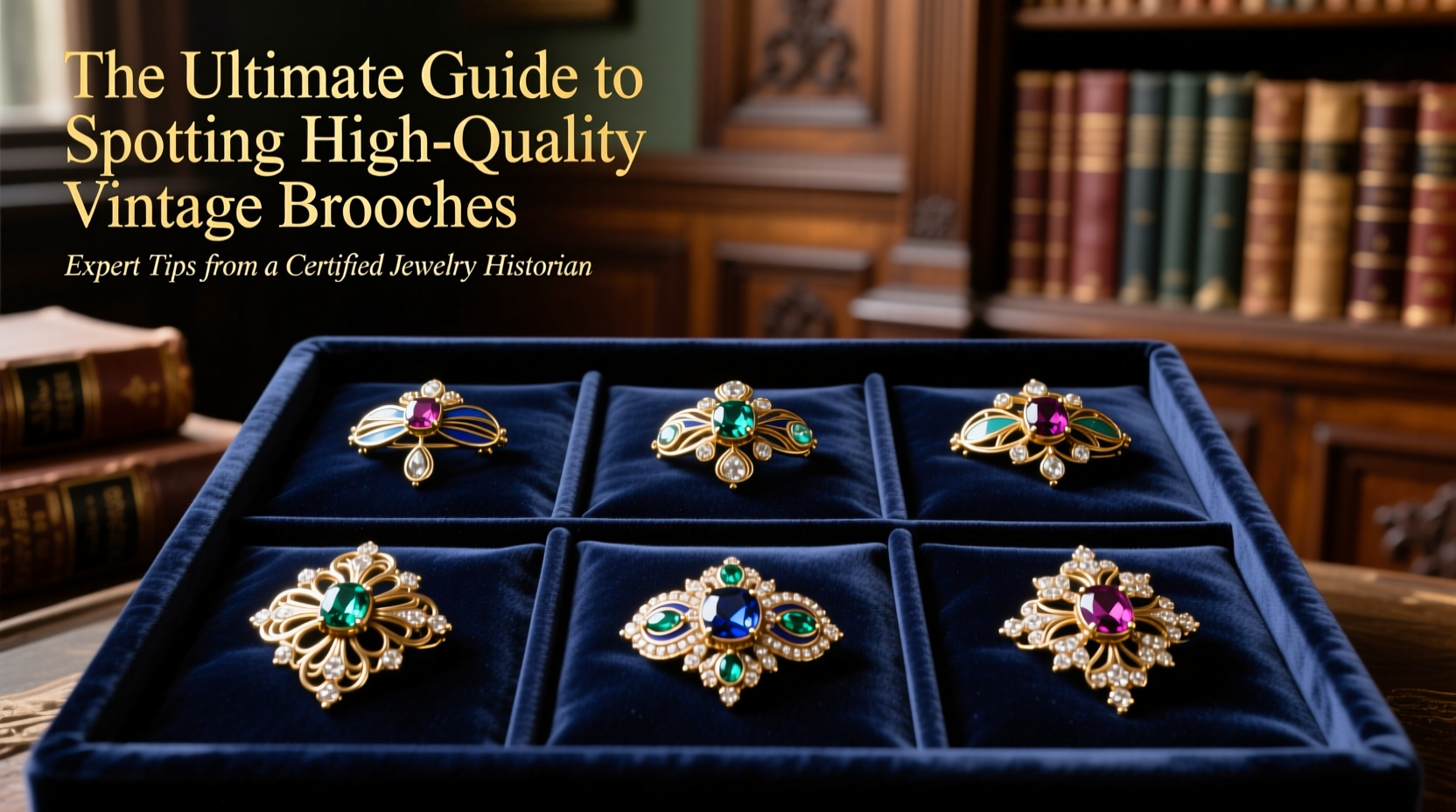
The value of a vintage brooch isn’t determined solely by age. While pre-1980 is generally considered “vintage,” true worth comes from a combination of materials, design, maker’s mark, condition, and rarity. High-quality pieces typically feature superior construction, use of precious metals or gemstones, and distinctive artistic flair reflective of their era.
Brooches from renowned designers like Miriam Haskell, Trifari, Coro, or Marcel Boucher often command higher prices due to their craftsmanship and collectibility. Similarly, those made in solid gold, platinum, or sterling silver with genuine pearls or semi-precious stones tend to stand out in both appearance and appraisal value.
Key Features of High-Quality Vintage Brooches
When evaluating a vintage brooch, focus on five critical elements: materials, craftsmanship, design, condition, and provenance.
- Materials: Look for real metals and natural stones. Faux pearls should have a smooth, lustrous finish without chipping. Rhinestones should be intact and well-set, ideally with closed backs for richer color reflection.
- Craftsmanship: Examine how components are assembled. High-end pieces show precise soldering, even stone placement, and no glue residue. Hand-finished details suggest artisanal care.
- Design: Iconic styles from specific decades—such as geometric patterns in the 1920s or floral motifs in the 1950s—can help date a piece and signal its originality.
- Condition: Minimal wear, secure clasps, and intact plating are essential. Avoid brooches with bent pins, missing stones, or heavy tarnish unless restoration is feasible.
- Provenance: Documentation, original boxes, or designer tags significantly enhance credibility and resale potential.
“Collectors don’t just buy beauty—they buy integrity. A brooch that holds up under close inspection is likely to hold its value.” — Lydia Chen, Antique Jewelry Appraiser & Author
How to Spot Authentic Maker’s Marks
One of the most reliable ways to verify a brooch’s origin is through its hallmark or signature stamp. These marks, usually found on the back of the piece, can indicate the designer, manufacturer, country of origin, or metal content.
Familiarize yourself with common signatures:
- Trifari: Marked “Trifari” or “Trifari Crown” with crown logo; some include “Pat Pend.”
- Coro: Often labeled “Coro” or “Crescent Coro”; may feature “Duette” for double-clip designs.
- Miriam Haskell: Typically stamped “Miriam Haskell” with “USA”; known for hand-beaded finishes.
- Sterling Silver: May bear “Sterling,” “925,” or an anchor symbol (UK).
- French Pieces: Look for eagle head stamps (France’s silver guarantee) or Minerva head for gold.
| Brand | Common Markings | Era |
|---|---|---|
| Trifari | “Trifari,” “Crown,” “Pat Pend” | 1930s–1970s |
| Coro | “Coro,” “Crescent Coro,” “Duette” | 1920s–1970s |
| Haskell | “Miriam Haskell,” “USA” | 1940s–1960s |
| Marcel Boucher | “Boucher,” “MB,” sometimes “Paris” | 1930s–1980s |
| Unknown European | Eagle head, Minerva, crescent moon | Pre-1960s |
Step-by-Step Guide to Evaluating a Vintage Brooch
Follow this structured approach when assessing any vintage brooch, whether at an estate sale, auction, or online listing.
- Inspect the Backing: Turn the brooch over. Look for clean metalwork, consistent plating, and clear markings. Beware of flimsy bases or uneven soldering.
- Test the Clasp: The pin mechanism should snap securely. Spring rings should be tight; safety catches must function smoothly.
- Examine Stone Settings: Stones should sit flush and be free of gaps. Prong settings should grip firmly; channel settings should show no looseness.
- Check for Wear Patterns: Light surface wear is normal, but deep scratches, broken enamel, or warped metal reduce value.
- Assess Weight and Feel: Higher-quality brooches often feel substantial due to solid metal use. Lightweight pieces may be base metal or plated.
- Research the Design: Compare the style to authenticated examples from reference books or museum collections.
- Verify Rarity: Search collector forums or auction archives to see how frequently similar pieces appear.
A Real Collector’s Find: The Case of the Hidden Haskell
Jane R., a vintage jewelry collector from Portland, once purchased a seemingly ordinary rhinestone brooch at a flea market for $12. It had no visible brand mark and minor tarnish. But something about the intricate beadwork caught her eye. At home, using a magnifier, she noticed faint lettering near the clasp: “Miriam Haskell USA.” After cleaning it gently with a silver polishing cloth, the underlying sterling silver backing emerged. Research confirmed it was a rare 1950s gardenia design, later appraised at $850.
This case illustrates why patience and close inspection matter. Surface imperfections can mask true value—especially when dealing with pieces known for layered finishes and delicate detailing.
Do’s and Don’ts When Buying Vintage Brooches
| Do’s | Don’ts |
|---|---|
| Use a loupe to examine fine details | Assume a shiny piece is high quality |
| Ask for return policies when buying online | Ignore unclear photos or vague descriptions |
| Compare prices across trusted auction sites | Overlook the importance of working clasps |
| Keep receipts and appraisals organized | Clean heavily tarnished pieces without research |
| Join collector communities for advice | Feel pressured into quick purchases |
FAQ
Are vintage brooches worth repairing if damaged?
It depends on the piece. If it’s by a notable designer or made with precious materials, professional restoration by a vintage jewelry specialist can preserve or even increase value. However, extensive damage to rare pieces may still diminish worth, so consult an appraiser first.
Can I wear vintage brooches daily?
Yes, but with caution. Delicate pieces are better suited for occasional wear. Regular use exposes them to moisture, friction, and impact. For everyday wear, choose sturdier designs with secure clasps and durable stones.
How do I know if a brooch is signed versus unsigned but authentic?
Many high-quality pieces were left unsigned, especially European-made or custom items. In such cases, focus on construction quality, materials, and stylistic accuracy to the period. Provenance, such as original packaging or family history, adds weight to authenticity claims.
Final Checklist Before You Buy
- ✅ Metal is marked and consistent with claimed type (e.g., “Sterling,” “14K”)
- ✅ Stones are intact, well-set, and free of cloudiness or chips
- ✅ Clasp functions securely and shows minimal wear
- ✅ No signs of heavy plating loss or structural damage
- ✅ Design matches known styles from the claimed era
- ✅ Seller provides clear, detailed photos and return policy
- ✅ Price aligns with recent comparable sales (check Worthopedia, LiveAuctioneers)
Start Your Collection with Confidence
Spotting a high-quality vintage brooch is part detective work, part appreciation of artistry. With the right knowledge, even modest finds can turn into treasured heirlooms or smart investments. Whether you're drawn to the glamour of Hollywood-era designs or the elegance of Edwardian filigree, every brooch tells a story—if you know how to listen.




 浙公网安备
33010002000092号
浙公网安备
33010002000092号 浙B2-20120091-4
Comments
No comments yet. Why don't you start the discussion?