
A clover bracelet—whether made of sterling silver, gold-plated metal, or adorned with gemstones—is more than just an accessory. It’s often a symbol of luck, love, or personal significance. Over time, exposure to everyday elements can dull its luster, weaken its clasp, or cause irreversible tarnish. The good news: with proper care and intelligent storage, you can preserve both its beauty and structural integrity for years. This guide breaks down the essential steps to protect your clover bracelet from environmental harm, chemical exposure, and mechanical stress.
Understanding Your Clover Bracelet’s Vulnerabilities
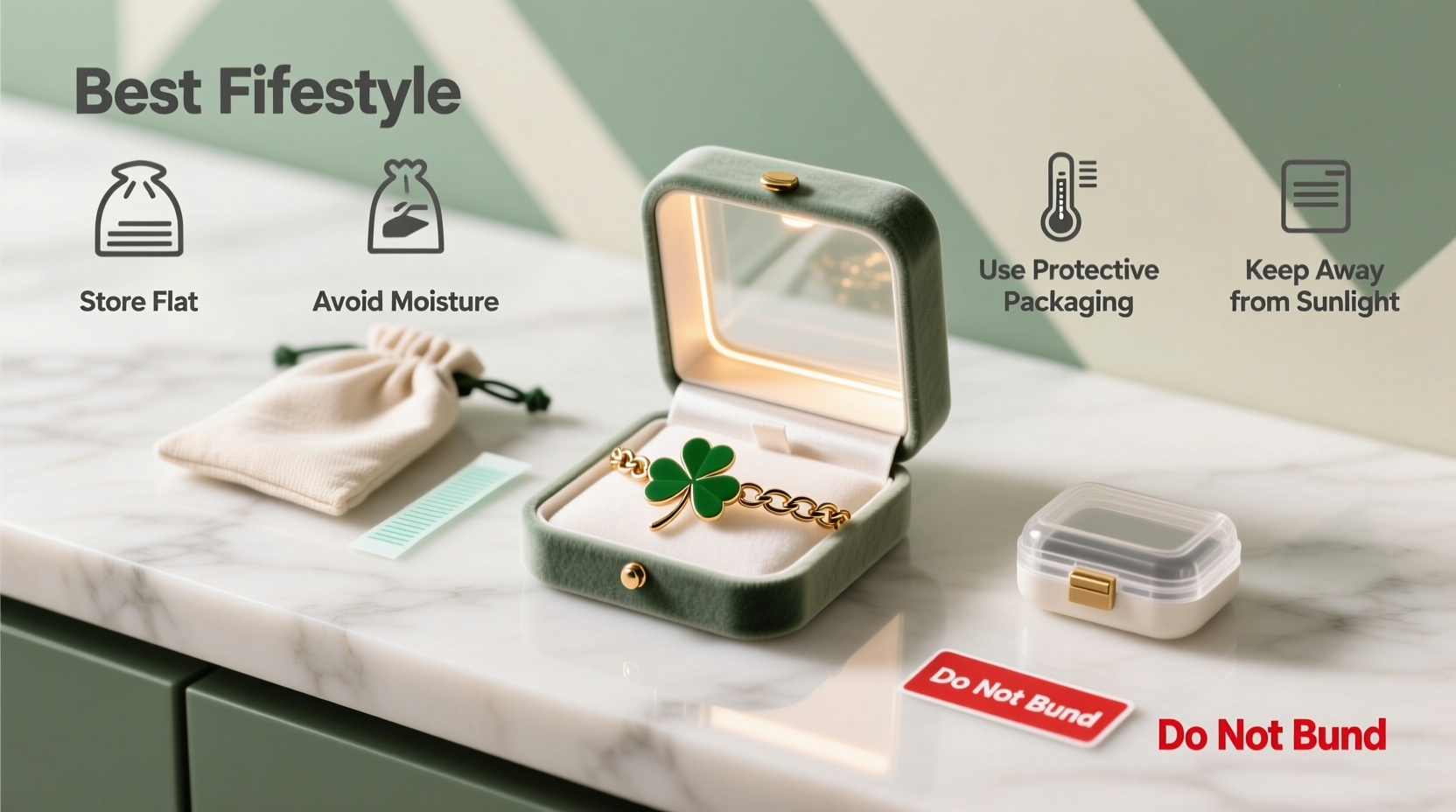
Clover bracelets are typically delicate by design. Their intricate links, small charms, and sometimes thin chains make them susceptible to tangling, bending, and breakage. Materials play a major role in how they react to external conditions:
- Sterling Silver: Prone to tarnishing when exposed to air, moisture, and sulfur compounds found in lotions or rubber.
- Gold-Plated Metals: Can wear off if rubbed against hard surfaces or exposed to chemicals like chlorine or perfume.
- Stainless Steel: More durable but still vulnerable to scratches and saltwater corrosion over time.
- Bejeweled Variants: Gemstones may loosen if the setting is jostled frequently or stored improperly.
Knowing what your bracelet is made of helps determine the best storage method. A one-size-fits-all approach risks doing more harm than good.
The Right Way to Clean Before Storage
Storing a dirty bracelet accelerates deterioration. Residue from sweat, oils, and cosmetics can corrode metal and cloud gemstone surfaces. Cleaning before storage ensures you’re not locking in contaminants.
- Dampen a soft, lint-free cloth with warm water and a drop of mild dish soap.
- Gently wipe the entire surface, paying attention to crevices around the clover charm.
- Rinse by wiping with a clean damp cloth—never submerge unless the piece is solid gold or stainless steel.
- Dry thoroughly with a second dry cloth, ensuring no moisture remains in joints or clasps.
For heavily tarnished silver, use a specialized polishing cloth (not liquid dips, which can damage plating or stones). Avoid ultrasonic cleaners unless explicitly recommended for your bracelet type.
“Cleaning isn’t just about appearance—it removes corrosive agents that silently degrade jewelry over time.” — Lena Torres, Master Jeweler & Conservator at Metropolitan Jewelry Restoration
Step-by-Step Guide to Safe Storage
Proper storage begins the moment you take the bracelet off. Follow this timeline to ensure consistent protection:
- Immediately after removal: Wipe lightly with a dry microfiber cloth to remove surface oils.
- Inspect the clasp and chain: Look for loose links or signs of wear. If the clasp feels weak, have it repaired before storing.
- Choose your storage container: Use a lined jewelry box with individual compartments or a soft pouch.
- Isolate the bracelet: Store it separately from other jewelry to prevent scratching and tangling.
- Control the environment: Keep the container in a cool, dry place away from sunlight and humidity.
- Monthly check-in: Remove, inspect, and re-polish if necessary to maintain condition.
Never toss your clover bracelet into a drawer or makeup bag where it can knock against harder items. Even soft fabrics like scarves can trap dust that acts as an abrasive over time.
Do’s and Don’ts of Clover Bracelet Storage
| Do’s | Don’ts |
|---|---|
| Store in a fabric-lined box or soft pouch | Leave it exposed on a dresser or vanity |
| Keep it in a low-humidity area (e.g., bedroom closet) | Store in the bathroom where steam builds up |
| Use anti-tarnish strips if storing long-term | Wrap in tissue paper or plastic bags (traps moisture) |
| Lay flat or hang gently to avoid kinking | Crumple or twist the chain when putting away |
Real Example: How Improper Storage Damaged a Heirloom Piece
Sarah inherited a vintage 14k gold clover bracelet from her grandmother. She wore it weekly but stored it loosely in a velvet jewelry roll alongside rings and necklaces. After two years, she noticed the chain had developed a weak link near the clasp and the clover charm was scratched. Upon inspection, a jeweler explained that constant friction from other pieces had worn down the gold plating and stressed the chain. With minor repairs and a shift to compartmentalized storage, Sarah was able to restore the bracelet—but the experience highlighted how easily sentimental value can be compromised by poor habits.
This case underscores a critical point: even high-karat gold requires mindful handling. Sentimental or expensive pieces demand extra diligence.
Long-Term Preservation Strategies
If you plan to store your clover bracelet for months—such as seasonal accessories or heirlooms—additional precautions are necessary:
- Seal in an airtight bag with an anti-tarnish strip to limit oxygen exposure.
- Add a silica gel packet to absorb any residual moisture.
- Avoid temperature fluctuations—don’t store in attics, basements, or near heating vents.
- Label the container clearly so it’s not forgotten or mishandled by others.
For collectors or those with multiple fine pieces, consider investing in a climate-controlled jewelry safe. These units regulate humidity and deter theft, offering peace of mind for valuable items.
Frequently Asked Questions
Can I store my clover bracelet in a plastic bag?
No. Regular plastic traps moisture and can accelerate tarnishing, especially in silver. If you must use a bag, choose an anti-tarnish zip-lock designed for jewelry storage.
How often should I wear my clover bracelet to keep it in good condition?
Wearing it occasionally is fine, but frequent wear without proper cleaning increases wear-and-tear. Aim to wear it no more than 2–3 times per week, always removing it before swimming, showering, or applying skincare products.
What should I do if my bracelet tarnishes despite careful storage?
Mild tarnish on silver can be removed with a polishing cloth. For plated metals, avoid abrasive cleaners. If the finish is compromised, consult a professional jeweler for re-plating options.
Essential Checklist for Safe Clover Bracelet Care
- Remove bracelet before bathing, swimming, or exercising.
- Clean gently with a soft cloth after each wear.
- Inspect clasp and chain for damage monthly.
- Store in a dedicated compartment or soft pouch.
- Keep away from direct sunlight and humid areas.
- Use anti-tarnish strips for long-term storage.
- Have it professionally cleaned and inspected annually.
Conclusion
Your clover bracelet carries meaning beyond its material value. Whether it’s a gift, a milestone marker, or a lucky charm, preserving its condition honors the moments it represents. By understanding its vulnerabilities, adopting a consistent care routine, and using smart storage solutions, you ensure it remains radiant and intact for years to come. Small daily habits compound into lasting protection—don’t wait for damage to act.




 浙公网安备
33010002000092号
浙公网安备
33010002000092号 浙B2-20120091-4
Comments
No comments yet. Why don't you start the discussion?