
As temperatures rise and personal cooling devices become essential, the handheld fan has emerged as a compact, energy-efficient solution for staying comfortable on the go. Whether battery-powered, rechargeable, or plug-in, these portable tools are designed for convenience—but only when properly maintained. A poorly stored fan can suffer from dust buildup, mechanical wear, battery degradation, or moisture damage, significantly reducing its lifespan and efficiency. This guide delivers actionable, expert-approved strategies to store your handheld fan in a way that preserves its function, appearance, and safety over time.
Why Proper Storage Matters
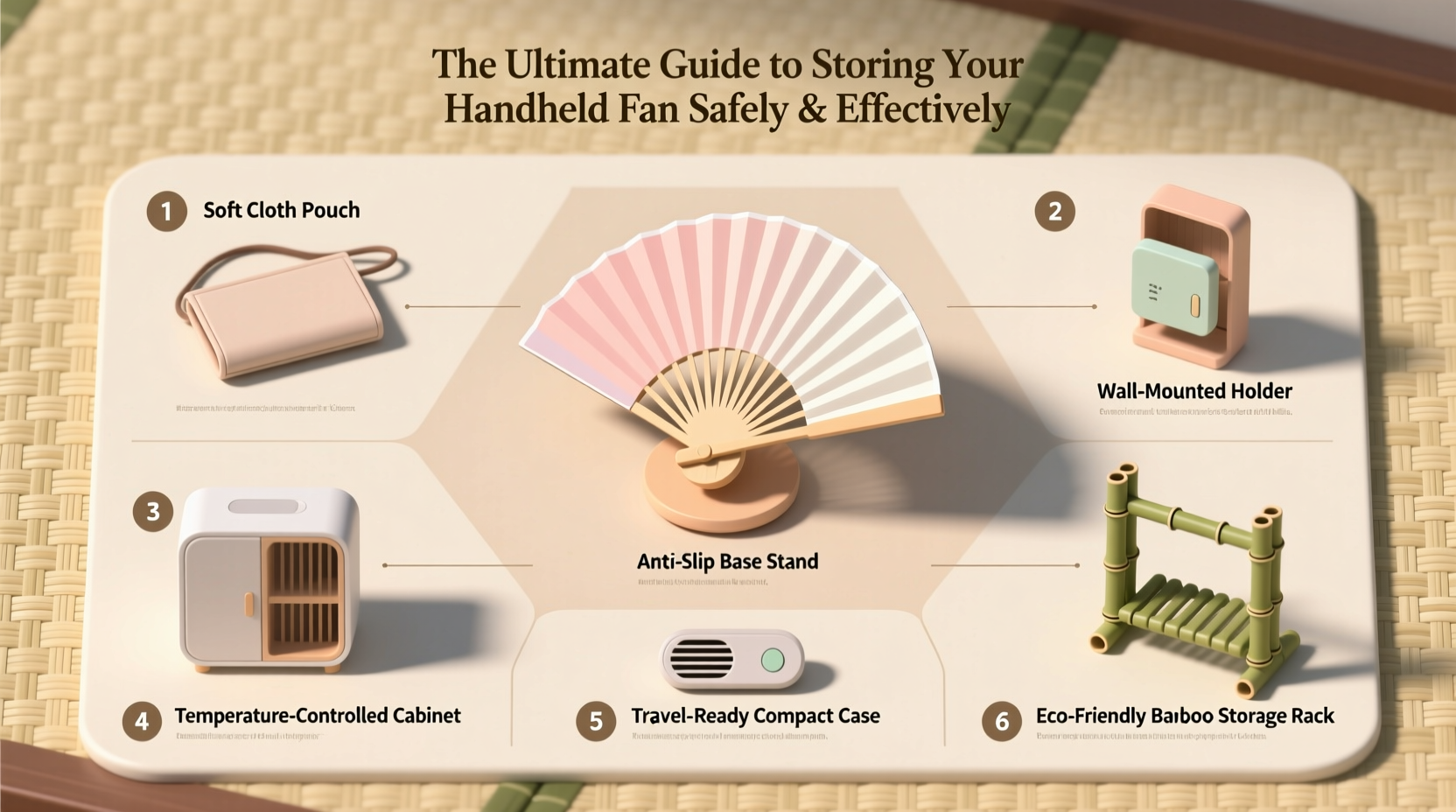
Unlike larger appliances, handheld fans are often used intermittently and stored in unpredictable environments—drawers, car glove compartments, under beds, or even outdoors. These conditions expose them to humidity, extreme temperatures, dust, and physical stress. Over time, such exposure leads to motor strain, reduced airflow, sticky buttons, and corroded battery contacts. Proper storage isn’t just about tidiness; it’s about maintaining electrical integrity, hygiene, and readiness for use.
“Many people overlook the importance of off-season care for small electronics. A few minutes of proper storage can add years to your fan’s life.” — Dr. Lin Zhao, Consumer Electronics Longevity Researcher at GreenTech Labs
Step-by-Step: How to Prepare Your Fan for Storage
Effective storage begins with preparation. Simply turning off the device and setting it aside is not enough. Follow this five-step process to ensure your fan remains in peak condition during periods of non-use.
- Power down completely: Turn off the fan and disconnect it from any power source. If rechargeable, ensure it is neither fully drained nor overcharged before storage.
- Clean all surfaces: Use a soft, dry microfiber cloth to wipe the exterior. For grilles and blades, gently brush away dust with a clean toothbrush or compressed air.
- Sanitize contact points: Wipe handles and button areas with a slightly damp cloth and mild disinfectant (avoiding openings). Let dry thoroughly.
- Inspect for damage: Check for loose parts, frayed wires, or cracked casings. Address minor issues now to prevent worsening during storage.
- Remove batteries (if applicable): For models using replaceable AA or AAA batteries, remove them to prevent leakage and corrosion.
Battery Storage Best Practices
If your fan uses removable batteries, store them separately in a labeled container at room temperature. Alkaline batteries can leak potassium hydroxide when left inside devices for long periods, especially in humid environments. Lithium-ion batteries (common in rechargeable fans) should be stored at around 50% charge to maximize longevity.
Choosing the Right Storage Environment
The location where you store your handheld fan plays a crucial role in its long-term performance. Ideal storage spaces are stable, dry, and free from contaminants. Avoid areas like bathrooms, kitchens, garages, or vehicles, where temperature and humidity fluctuate dramatically.
| Storage Location | Recommended? | Key Risks |
|---|---|---|
| Bedroom drawer (interior) | ✅ Yes | Low risk if kept dry and clean |
| Kitchen cabinet | ⚠️ Caution | Heat and grease exposure may degrade plastic |
| Car glove compartment | ❌ No | Temperatures can exceed 140°F (60°C), damaging electronics |
| Bathroom shelf | ❌ No | Humidity promotes mold and corrosion |
| Closet shelf with silica gel packs | ✅ Yes | Controlled environment with moisture protection |
Best Containers and Protection Methods
Physical protection is as important as environmental control. Without proper shielding, fans can accumulate dust, get scratched, or suffer impact damage. Consider using a dedicated storage case or repurposing household items.
- Fabric pouches: Soft-lined drawstring bags prevent scratches and allow airflow.
- Plastic containers with lids: Choose ones with ventilation holes or include desiccant packs to manage moisture.
- Original packaging: If available, the manufacturer’s box offers shape retention and cushioning.
- Avoid sealed plastic bags: These trap moisture and encourage condensation, leading to internal corrosion.
“Think of your handheld fan like a smartphone—both are sensitive electronics. Would you leave your phone in a hot car? Then don’t do it with your fan.” — Marcus Tran, Product Design Engineer at CoolAir Systems
Mini Case Study: The Office Worker’s Mistake
Jamie, a marketing consultant in Phoenix, Arizona, relied on her rechargeable handheld fan during summer commutes. After work, she routinely left it in her car’s cup holder. Within three months, the fan began making grinding noises and failed to hold a charge. Upon inspection, an electronics technician found warped internal components due to heat exposure and corroded battery terminals from condensation cycles. Jamie replaced the fan but now stores hers in a padded case inside her office desk, charging it biweekly. Her new fan has lasted over 18 months with no performance drop.
Seasonal Storage Checklist
For users in temperate climates, handheld fans may only be needed during warmer months. Use this checklist each season to ensure safe, effective storage:
☐ Power off and unplug or remove batteries
☐ Clean grille, blades, and handle thoroughly
☐ Charge lithium-ion models to ~50% capacity
☐ Place in breathable, protective case or pouch
☐ Store in climate-stable indoor area (e.g., closet, shelf)
☐ Add silica gel pack to absorb ambient moisture
☐ Schedule monthly check-ins during long storage
Frequently Asked Questions
Can I store my handheld fan in the freezer to keep it cool for next use?
No. Extreme cold can cause condensation when the fan returns to room temperature, leading to internal moisture buildup. It can also make plastics brittle and damage electronic components. Always store at moderate room temperatures (60–75°F or 15–24°C).
How often should I clean my fan before storing it?
Clean it immediately before storage, regardless of usage frequency. Even light use accumulates skin oils, dust, and airborne particles. For heavy daily use, consider cleaning every two weeks during active seasons.
Is it safe to stack items on top of stored fans?
No. Pressure can deform casings, misalign blades, or crack screens (on smart models). Always store upright or flat without weight on top. Use a dedicated space to avoid accidental compression.
Final Thoughts: Make Storage a Habit
Storing a handheld fan properly doesn’t require special tools or expertise—it demands consistency and awareness. By treating your fan as a precision electronic device rather than a disposable accessory, you protect your investment and ensure reliable comfort when you need it most. The habits outlined here—cleaning, drying, using protective cases, avoiding extreme environments, and monitoring battery health—are simple but powerful.




 浙公网安备
33010002000092号
浙公网安备
33010002000092号 浙B2-20120091-4
Comments
No comments yet. Why don't you start the discussion?