
Cats scratch. It’s not destructive behavior—it’s natural. From marking territory to stretching muscles and shedding claw sheaths, scratching is essential to a cat’s physical and emotional well-being. The challenge arises when that instinct targets your favorite sofa or bedroom doorframe. Instead of trying to eliminate the behavior, the solution lies in redirection: teaching your cat to use a designated scratching post.
This comprehensive guide walks through the science behind feline scratching, how to choose the right post, and proven training techniques that respect your cat’s instincts while protecting your furniture. Whether you’re dealing with a kitten testing their claws or a senior cat set in their ways, these strategies work across ages and temperaments.
Why Cats Scratch—and Why It Matters
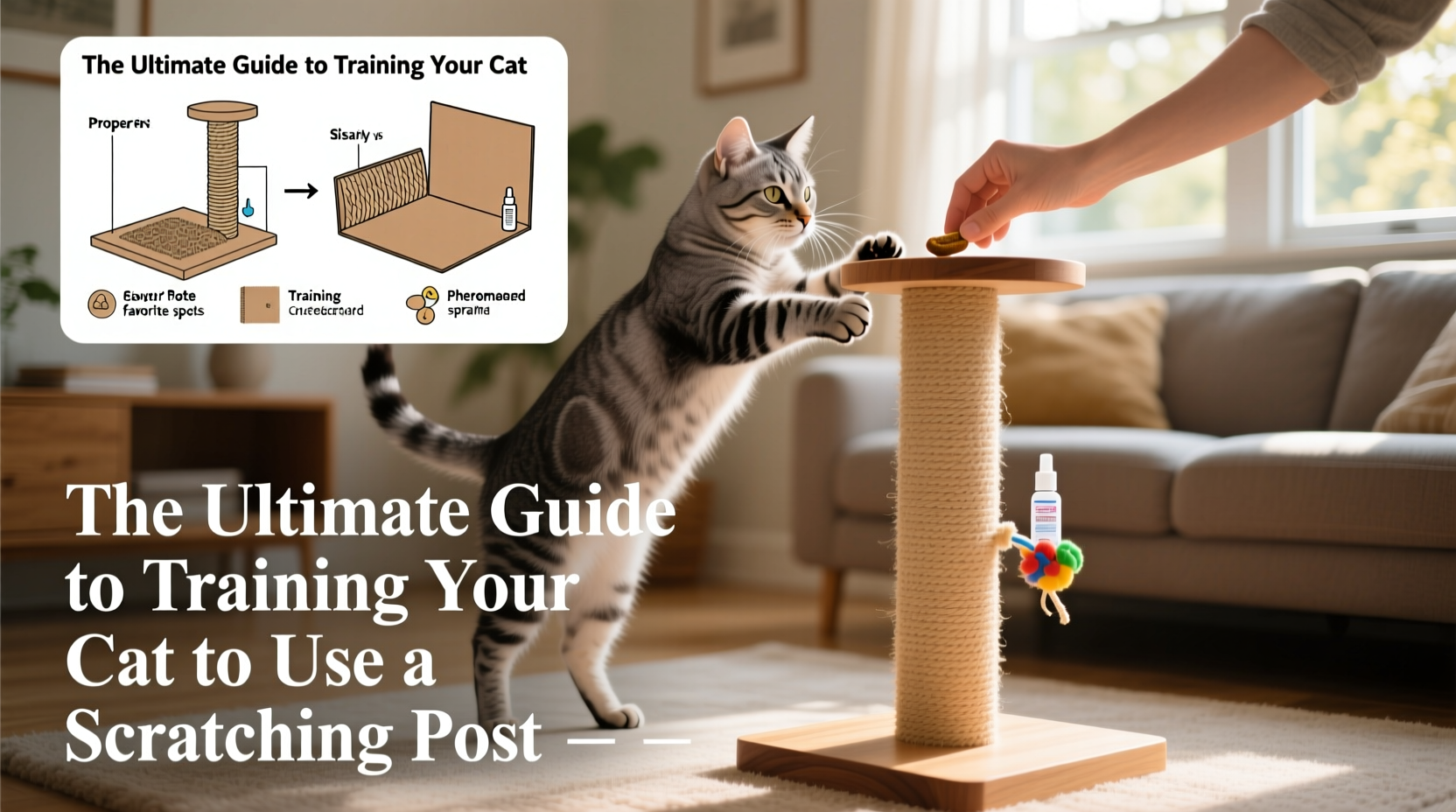
Understanding the motivation behind scratching is the first step toward effective training. Scratching isn’t just about sharpening claws; it serves multiple biological and behavioral purposes:
- Physical exercise: Stretching the spine, shoulders, and legs during scratching helps maintain muscle tone and joint flexibility.
- Scent marking: Cats have scent glands in their paws. Each swipe deposits pheromones, signaling ownership and creating a sense of security.
- Visual marking: The visible scratches act as territorial signals to other cats (or perceived threats).
- Claw maintenance: Scratching removes the outer layer of worn claws, revealing sharper, healthier ones underneath.
- Emotional regulation: Many cats scratch when excited, anxious, or after waking up—a form of self-soothing.
Suppressing this behavior without offering an alternative can lead to stress, anxiety, and even inappropriate elimination. The goal isn’t to stop scratching altogether but to guide it toward acceptable surfaces.
“Scratching is a non-negotiable part of cat behavior. Attempting to stop it leads to frustration on both sides. Success comes from understanding and redirecting.” — Dr. Sarah Langston, DVM, Feline Behavior Specialist
Choosing the Right Scratching Post
A poorly chosen post is one of the main reasons training fails. Cats are particular about texture, height, stability, and location. A post that doesn’t meet their standards will be ignored—even if it’s expensive or aesthetically pleasing to you.
| Feature | What Works | What to Avoid |
|---|---|---|
| Material | Sisal rope, corrugated cardboard, natural wood | Plush fabric (mimics carpet, often less durable) |
| Height | At least 30 inches (allows full stretch) | Short posts under 24 inches |
| Stability | Heavy base or wall-mounted for no wobble | Wobbly or tipping designs |
| Orientation | Vertical, horizontal, and angled options | Only one type unless cat shows preference |
| Location | Near sleeping areas, entry points, or furniture they target | Isolated corners or rarely used rooms |
Some cats prefer horizontal scratching pads, especially older or arthritic cats who may struggle to stretch upward. Others favor vertical posts near doors or windows where they can mark high-traffic zones. When in doubt, offer multiple types and observe which one gets the most attention.
Step-by-Step Training Plan
Training a cat to use a scratching post requires patience, consistency, and positive reinforcement. Follow this seven-day timeline to build lasting habits:
- Day 1–2: Observe and Position
Track where your cat naturally scratches. Place the new post within 1–3 feet of that spot. If they scratch the couch arm, position the post right beside it. - Day 3: Introduce with Scent
Rub a cloth on your cat’s cheeks (where facial pheromones are secreted) and wipe it on the post. You can also use synthetic feline pheromone spray (like Feliway) to make the area more inviting. - Day 4: Add Attractants
Lightly sprinkle catnip or silvervine on the base of the post. Some cats respond strongly; others don’t. If your cat ignores it, try attaching a dangling toy at the top to encourage interaction. - Day 5: Encourage Engagement
When your cat approaches the post, gently guide their paws in a scratching motion. Don’t force it—use treats or praise when they make contact. - Day 6: Reward Use Immediately
The moment your cat scratches the post—even briefly—offer a treat, verbal praise, or a clicker reward if you're using clicker training. - Day 7: Block Alternatives
Cover targeted furniture with double-sided tape, aluminum foil, or plastic runners. These textures are unpleasant but harmless. Never punish scratching—this creates fear and damages trust. - Week 2+: Reinforce and Expand
Once consistent use begins, gradually move the post to a more permanent location—if needed—by shifting it a few inches per day. Add a second post in another key zone (e.g., near the bedroom).
Consistency is critical. Continue rewarding use for at least three weeks, even after the behavior seems established. Habits take time to solidify, especially in cats with long-standing routines.
Real-Life Example: Turning Around a Stubborn Scratcher
Mia, a 4-year-old domestic shorthair, had been shredding her owner’s leather armchair for over two years. Previous attempts—claw caps, sprays, yelling—had failed. The breakthrough came when her owner, Jen, placed a tall sisal post directly in front of the chair and wrapped the chair arms in textured plastic covers.
She rubbed Mia’s cheek on the post and sprinkled silvervine. Within two days, Mia began sniffing and pawing at the post. Jen rewarded every interaction with a small treat. By day six, Mia was fully scratching the post. After three weeks, the plastic covers were removed, and the chair remained untouched.
The key? Meeting Mia where her instincts led her—right at the chair—and offering a better option in the exact same context. Redirection, not restriction, made the difference.
Troubleshooting Common Challenges
Even with the best setup, issues arise. Here’s how to handle frequent setbacks:
- Post is ignored: Re-evaluate placement and material. Is it near a sleeping or lounging area? Is it stable? Try moving it incrementally or adding a perch on top to make it a multi-use station.
- Cat only uses one side: Rotate the post weekly so wear is even, or consider a cylindrical sisal design.
- Scratching returns after success: Check for environmental changes—new pets, construction noise, or rearranged furniture can trigger re-marking. Reintroduce rewards temporarily.
- Kitten is too rough: Redirect energy with play. Use wand toys to simulate hunting before introducing the post, so they’re more likely to scratch out of instinct rather than excess energy.
“Cats aren’t being ‘bad’ when they scratch your furniture. They’re being cats. Your job isn’t to correct them—it’s to guide them.” — Jackson Galaxy, Cat Behaviorist and Host of *My Cat from Hell*
Essential Checklist for Success
Before you begin training, ensure you’ve covered all bases:
- ✅ Choose a sturdy, appropriately sized scratching post made of sisal, cardboard, or wood
- ✅ Place the post near existing scratching zones or high-traffic areas
- ✅ Remove access to off-limits surfaces using safe deterrents (tape, foil, plastic)
- ✅ Use catnip, silvervine, or pheromone spray to attract your cat
- ✅ Reward immediately when your cat interacts with the post
- ✅ Be patient—training can take days to weeks depending on the cat
- ✅ Maintain the post by replacing worn sections or rotating models periodically
Remember, one post is rarely enough. Most experts recommend having at least one scratching option per floor of your home, plus one per cat in multi-cat households.
Frequently Asked Questions
Can I train an older cat to use a scratching post?
Yes. While kittens learn faster, adult and senior cats can adapt with consistent reinforcement. Start by placing the post near their current scratching spot and use high-value treats to reward engagement. Older cats may prefer lower or horizontal options due to joint stiffness.
What if my cat prefers the carpet?
Cats who like horizontal scratching often target carpets. Offer a flat cardboard scratcher or a low-profile pad in the same area. Cover the carpet section with a runner or textured mat. Over time, shift the scratcher to a more convenient location.
How often should I replace the scratching post?
Replace it when the material is frayed or compressed. Sisal posts last 6–12 months with daily use; cardboard pads may need monthly replacement. Worn posts lose appeal, so regular updates keep them enticing.
Final Thoughts: Harmony Through Understanding
Training your cat to use a scratching post isn’t about control—it’s about coexistence. When you align your expectations with your cat’s natural behaviors, you create a home where both species thrive. The right post, strategically placed and positively reinforced, becomes more than a tool—it becomes a cornerstone of your cat’s environment.
Every scratch on the post is a victory. Every avoided tear on your couch is proof that empathy and patience win over punishment. With the steps outlined here, you’re not just protecting your furniture—you’re deepening your bond with a creature who trusts you to understand their needs.




 浙公网安备
33010002000092号
浙公网安备
33010002000092号 浙B2-20120091-4
Comments
No comments yet. Why don't you start the discussion?