
Flying long distances often means sacrificing quality sleep. Between cabin lighting, screen glare, and unfamiliar surroundings, falling into a deep, uninterrupted rest can feel impossible. One of the most effective yet underrated tools for combating in-flight fatigue is the humble sleep eye mask. When used correctly, it can simulate nighttime conditions, support melatonin production, and help you wake up feeling refreshed rather than drained. This guide explores everything from selecting the right mask to optimizing its use mid-flight—so you arrive at your destination well-rested and ready.
Why Light Matters When You Sleep on a Plane
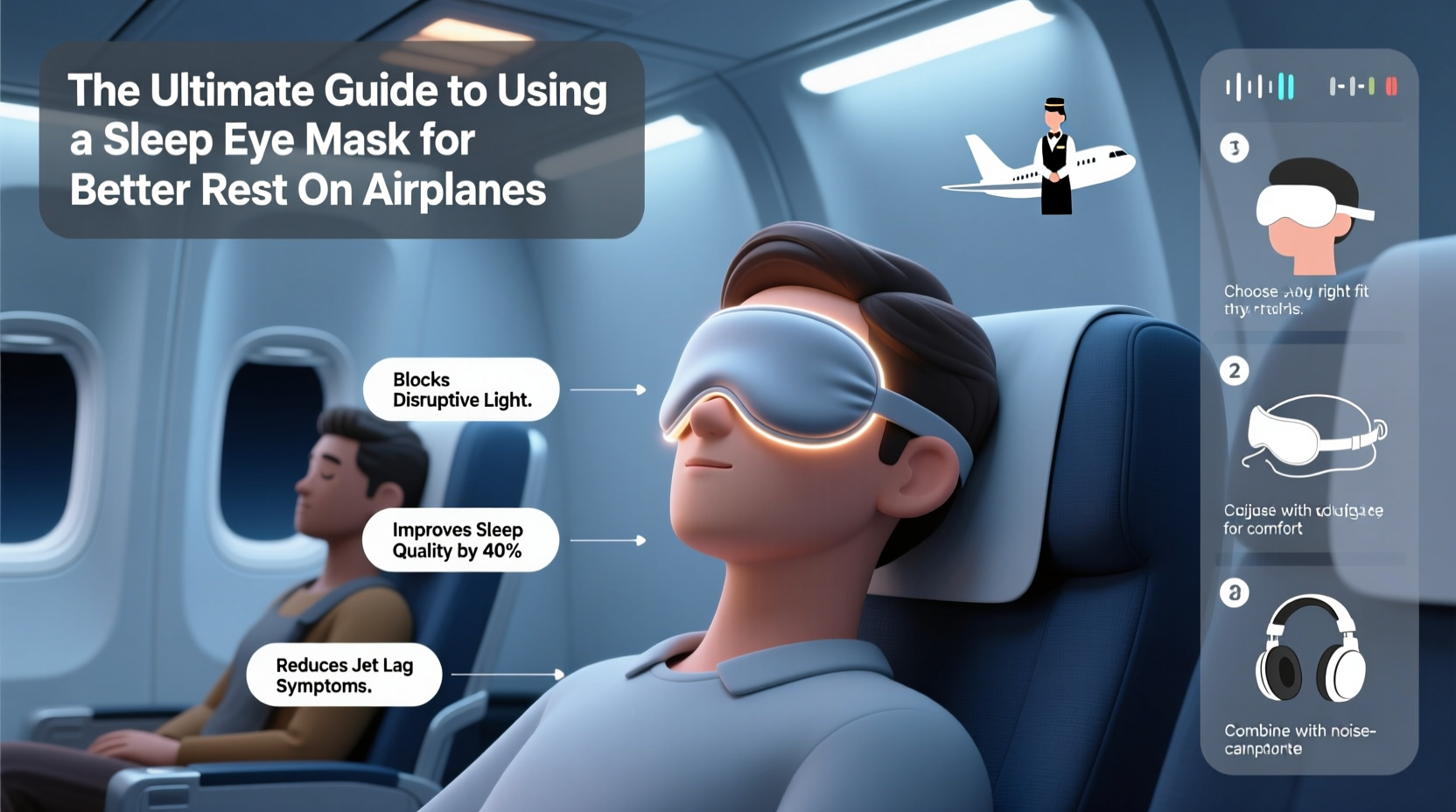
The human body relies heavily on light cues to regulate its internal clock, or circadian rhythm. Even low levels of ambient light—like overhead reading lamps or the glow from neighboring screens—can inhibit melatonin, the hormone responsible for signaling sleep. On overnight flights, constant illumination tricks your brain into thinking it’s still daytime, making it harder to fall asleep and stay asleep.
A high-quality sleep eye mask blocks this disruptive light, creating an environment that mimics natural darkness. Studies show that complete darkness enhances both sleep onset and sleep depth. According to Dr. Rafael Pelayo, a clinical professor at Stanford’s Center for Sleep Sciences,
“Even small amounts of light during sleep can fragment rest and reduce REM cycles. Using an eye mask is one of the simplest ways to protect sleep quality in non-ideal environments like airplanes.”
Choosing the Right Eye Mask for Air Travel
Not all eye masks are created equal—especially when it comes to comfort during extended wear in cramped seats. Consider these factors before packing yours:
- Material: Soft, breathable fabrics like silk, satin, or memory foam provide comfort without trapping heat.
- Fit: Contoured or 3D designs avoid pressing against the eyelids, reducing discomfort and allowing natural blinking.
- Light Blocking: Look for masks with padded edges or flexible nose bridges that seal out light from all angles.
- Adjustability: An elastic strap with a secure fastener lets you customize tightness without causing pressure headaches.
- Portability: Compact, foldable masks with a carrying case are ideal for travel.
Step-by-Step Guide to Using Your Eye Mask Effectively on a Flight
Simply putting on a mask isn’t enough. To maximize its benefits, follow this sequence:
- Prepare Before Boarding: Charge any noise-canceling headphones or download relaxing audio. Have your mask, neck pillow, and blanket easily accessible.
- Time It Right: Put on the mask shortly after takeoff if you’re aiming to sleep early, or align it with your destination’s bedtime zone if adjusting to a new time zone.
- Set the Scene: Lower your seatback slightly (if possible), cover yourself with a blanket, and play white noise or calming music through headphones.
- Position Correctly: Place the mask over closed eyes, ensuring the nose bridge fits snugly. Adjust the strap so it’s firm but not tight—no indentations on the forehead.
- Breathe and Relax: Close your eyes and focus on slow, deep breaths. Use visualization techniques or a short meditation to quiet your mind.
- Maintain Comfort: If you shift positions, re-adjust the mask gently to maintain a light seal without disrupting sleep.
Do’s and Don’ts of In-Flight Eye Mask Use
| Do’s | Don’ts |
|---|---|
| Choose a hypoallergenic material if you have sensitive skin | Use a flat, thin mask that presses on your lashes or eyelids |
| Pair your mask with noise-canceling headphones for full sensory control | Wear contact lenses under the mask without lubricating drops |
| Clean your mask regularly to prevent bacterial buildup | Leave the mask on during meal service or safety demonstrations |
| Use a cooling gel mask if prone to puffiness or dry eyes | Tighten the strap excessively to block light—it can cause headaches |
Real Example: How Sarah Improved Her Transatlantic Rest
Sarah, a marketing consultant based in Chicago, used to dread her monthly flights to London. Despite taking melatonin and wearing compression socks, she’d arrive exhausted, struggling with three days of jet lag. After consulting a sleep coach, she refined her in-flight routine: she switched to a contoured silk eye mask with a built-in nose shield, paired it with a lightweight travel pillow, and began using a guided sleep meditation playlist.
She also started dimming her phone screen an hour before planned sleep and applying a hydrating eye gel. On her next flight, she fell asleep within 20 minutes and stayed asleep for nearly five hours. “I didn’t think such a small change would make a difference,” she said. “But blocking out that cabin light was the missing piece. I landed feeling alert and adjusted much faster.”
Maximizing Benefits: Combine Your Mask With Other Sleep-Supportive Habits
An eye mask works best as part of a holistic approach to in-flight sleep. Consider integrating these complementary practices:
- Hydration: Drink water consistently before and during the flight, but reduce intake an hour before sleeping to minimize bathroom trips.
- Dress Smartly: Wear loose, layered clothing to adapt to changing cabin temperatures.
- Avoid Stimulants: Skip caffeine after boarding and limit alcohol, which may help you fall asleep but disrupts sleep architecture.
- Pre-Flight Routine: Expose yourself to morning sunlight before departure to help reset your circadian rhythm upon arrival.
Frequently Asked Questions
Can an eye mask really improve sleep quality on a plane?
Yes. Research published in the Journal of Clinical Sleep Medicine shows that blindfolding participants in lit environments increased total sleep time by an average of 30 minutes and improved subjective sleep quality. On planes, where consistent darkness is unavailable, an eye mask provides a similar benefit.
Is it safe to wear an eye mask while sleeping upright?
Absolutely, as long as the mask doesn’t apply pressure to the eyes. Avoid inexpensive flat masks that press against the eyeballs, especially if you wear contact lenses or have glaucoma. Opt for contoured designs that create space between the eyelids and the fabric.
How do I clean my eye mask while traveling?
Most masks can be spot-cleaned with a gentle wipe or damp cloth. If washable, hand-rinse it with mild soap and lay it flat to dry. For non-washable models, consider using a removable liner or storing it in a ventilated pouch to reduce sweat buildup.
Final Checklist Before Your Next Flight
- ✔ Choose a contoured, light-blocking eye mask made from breathable fabric
- ✔ Test the fit and light seal at home
- ✔ Pack it in your carry-on, not checked luggage
- ✔ Pair it with noise-canceling headphones and a sleep-friendly audio track
- ✔ Apply eye balm or drops if you wear contacts or experience dryness
- ✔ Remove the mask during meal service and safety briefings
- ✔ Clean the mask after each trip to maintain hygiene
Arrive Rested, Not Wrecked
A good night’s sleep shouldn’t depend on being in your own bed. With the right tools and habits, you can reclaim rest even at 35,000 feet. The sleep eye mask is more than a comfort item—it’s a strategic tool for protecting your health, performance, and travel enjoyment. By choosing the right model, using it wisely, and combining it with other sleep-supportive behaviors, you give yourself a real advantage in managing fatigue and jet lag.




 浙公网安备
33010002000092号
浙公网安备
33010002000092号 浙B2-20120091-4
Comments
No comments yet. Why don't you start the discussion?