
Starting a YouTube channel today isn’t just about uploading videos—it’s about building a brand, solving problems, and connecting with an audience that trusts your voice. While anyone can create a channel in minutes, long-term success comes from deliberate planning, consistent execution, and strategic refinement. This guide walks you through every essential phase, from choosing your niche to monetizing your influence, with real-world insights and actionable steps.
1. Choose Your Niche Strategically
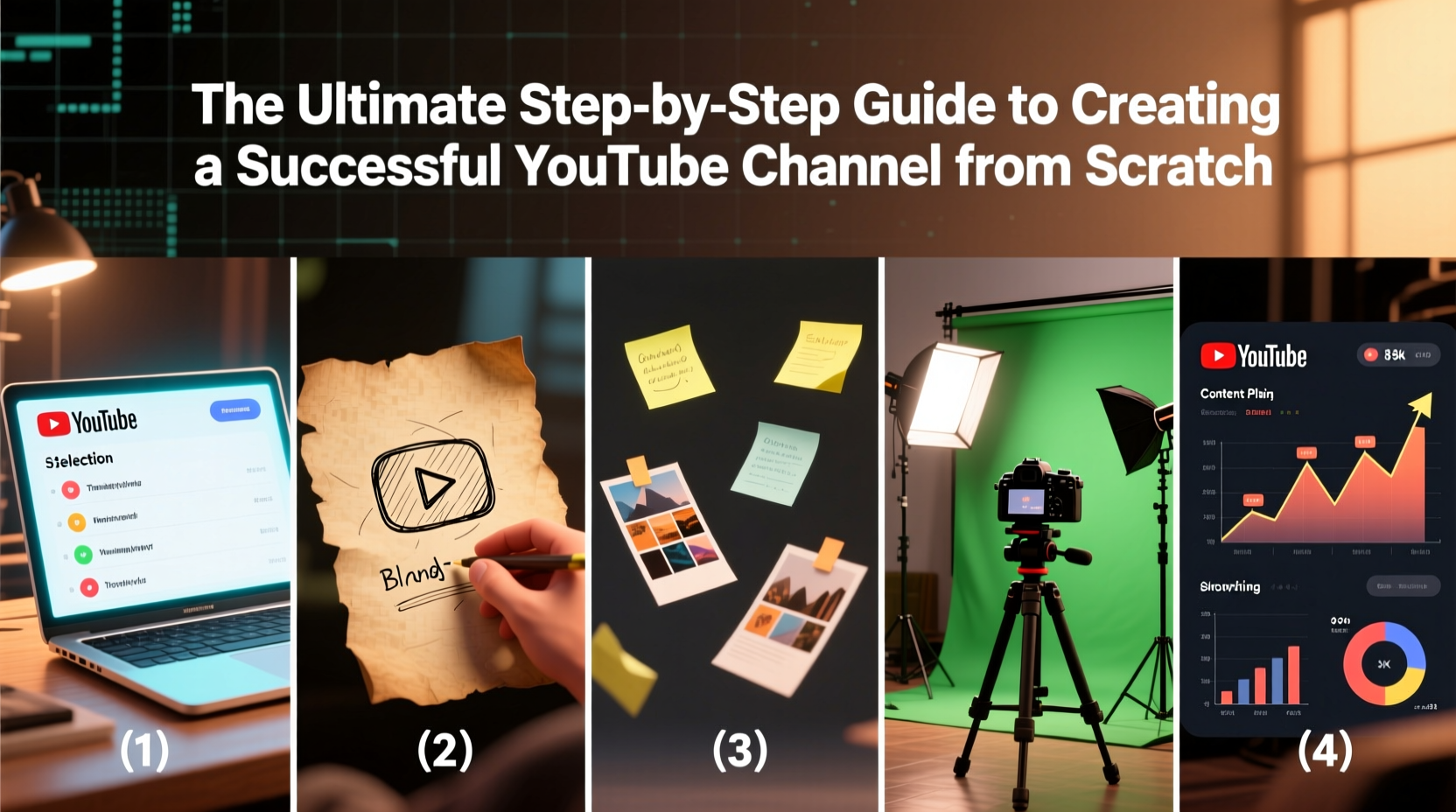
Selecting the right niche is the foundation of a sustainable YouTube presence. A well-defined niche helps you stand out in a crowded space, attract a loyal audience, and maintain creative focus. Avoid the temptation to cover everything—specialization builds authority.
Start by evaluating three key factors: passion, expertise, and market demand. You should enjoy the topic enough to create content consistently, have enough knowledge to provide value, and confirm there’s an existing audience searching for it.
For example, instead of “cooking,” consider “quick vegan meals under 20 minutes” or “budget-friendly Indian dinner recipes.” Specificity increases discoverability and viewer retention.
2. Set Up Your Channel for Professionalism
Your YouTube channel is your digital storefront. First impressions matter. Invest time in crafting a cohesive brand identity before uploading your first video.
- Channel Name: Keep it simple, memorable, and relevant to your niche.
- Profile Picture: Use a high-resolution logo or professional headshot.
- Banner Art: Design a banner that reflects your brand’s tone and includes a call-to-action (e.g., “Subscribe for weekly tips”).
- About Section: Clearly state who you are, what viewers will learn, and when new videos drop.
“Your channel art and description aren’t just decoration—they’re conversion tools.” — Sarah Kim, Digital Creator Strategist
3. Essential Equipment and Setup on a Budget
You don’t need expensive gear to start, but quality matters. Viewers expect clear audio and decent visuals. Here’s a realistic breakdown of what you actually need:
| Item | Minimum Requirement | Upgrade Option |
|---|---|---|
| Camera | Smartphone (1080p) | DSLR or mirrorless camera |
| Audio | Lavalier mic ($20–$40) | Shotgun mic or XLR setup |
| Lighting | Natural light + reflector | Softbox lights or ring light |
| Editing Software | DaVinci Resolve (free) | Adobe Premiere Pro or Final Cut Pro |
Focus on audio first—poor sound drives viewers away faster than low-resolution video. Test your setup with a short test clip and review playback in different environments.
4. Create a Content Strategy That Converts
Successful channels follow a repeatable content framework. Random uploads lead to inconsistent results. Instead, build a content plan based on audience needs and platform algorithms.
- Research Keywords: Use tools like TubeBuddy, vidIQ, or even YouTube’s own search bar to find high-volume, low-competition keywords.
- Plan Video Types: Mix evergreen tutorials with trending topics. For example, a tech channel might balance “How to reset your router” with “iPhone 15 hidden features.”
- Batch Create: Film multiple videos in one session to maintain consistency during busy weeks.
- Optimize Titles & Thumbnails: Craft titles with clear benefit statements (e.g., “Stop Wasting Money on Skincare – Do This Instead”) and design custom thumbnails with bold text and contrast.
Mini Case Study: From Zero to 10K Subscribers in 5 Months
Jamal, a former teacher, launched a channel called “Study Smarter” focused on productivity tips for high school students. He started by identifying common pain points: procrastination, note-taking, and exam stress. Each video answered a specific question (“How to study 2 hours without distractions?”) and included practical steps.
He uploaded every Tuesday and Thursday, used consistent branding, and engaged with every comment. By month three, one video on “active recall techniques” gained traction through search and recommendations. Within five months, he hit 10,000 subscribers and partnered with an educational app for sponsorship.
The key? He solved real problems with structured, searchable content—not just entertainment.
5. Optimize for Discovery and Retention
YouTube’s algorithm rewards videos that keep people watching and coming back. Two metrics dominate: CTR (Click-Through Rate) and AVD (Average View Duration).
To improve CTR, craft compelling thumbnails and titles. Avoid clickbait—deliver on your promise. To boost AVD, structure your videos with a strong hook in the first 10 seconds, clear segments, and natural pacing.
- Open with a question or surprising fact: “Did you know 70% of skincare routines are making acne worse?”
- Use chapters to help viewers navigate longer videos.
- Add end screens to promote another relevant video.
“Retention starts before the video does. If your title and thumbnail mislead, viewers leave fast—and YouTube stops recommending you.” — Mark Rivera, YouTube Algorithm Analyst
Checklist: Pre-Publishing Review
- ✅ Title includes primary keyword and emotional hook
- ✅ Thumbnail is high-contrast, readable at small size
- ✅ First 15 seconds grab attention and state the value
- ✅ Video includes on-screen text for key points
- ✅ Description has detailed summary, links, and 2–3 hashtags
- ✅ Tags include variations of main keyword
- ✅ End screen promotes another video or subscription
Frequently Asked Questions
How often should I upload to grow my channel?
Consistency matters more than frequency. Start with once a week and stick to it. A reliable schedule trains both your audience and the algorithm. Uploading sporadically—even if it’s daily sometimes—confuses viewers and limits reach.
Can I make money quickly on YouTube?
Realistically, no. Monetization requires 1,000 subscribers and 4,000 watch hours in the past year. Most creators take 6–12 months to reach this threshold. Focus on value first; revenue follows trust.
Should I speak directly to camera or use voiceover?
It depends on your niche. Tutorials, vlogs, and personal development benefit from face-to-camera delivery, which builds connection. Explainer or animation-based content often works better with voiceover. Test both and track retention to see what resonates.
Conclusion: Start Now, Refine as You Go
Creating a successful YouTube channel isn’t about perfection—it’s about persistence. The most influential creators didn’t begin with polished studios or massive audiences. They began with a message, a microphone, and the willingness to show up repeatedly.
Take the first step today: define your niche, record a short test video, and publish it. Then refine based on feedback and data. Every major YouTuber was once at zero. Your journey begins not when you feel ready, but when you press upload.




 浙公网安备
33010002000092号
浙公网安备
33010002000092号 浙B2-20120091-4
Comments
No comments yet. Why don't you start the discussion?