
Grease stains are among the most common—and frustrating—types of fabric damage. Whether it’s a splash from frying bacon, motor oil on workwear, or butter dripping off toast, grease can seep deep into fibers and leave behind a stubborn, yellowish mark if not treated promptly. The good news? With the right approach, nearly any grease stain can be removed—even after drying. This comprehensive guide walks you through scientifically backed methods, time-tested home remedies, and expert-recommended protocols to restore your garments to their original condition.
Understanding How Grease Stains Work
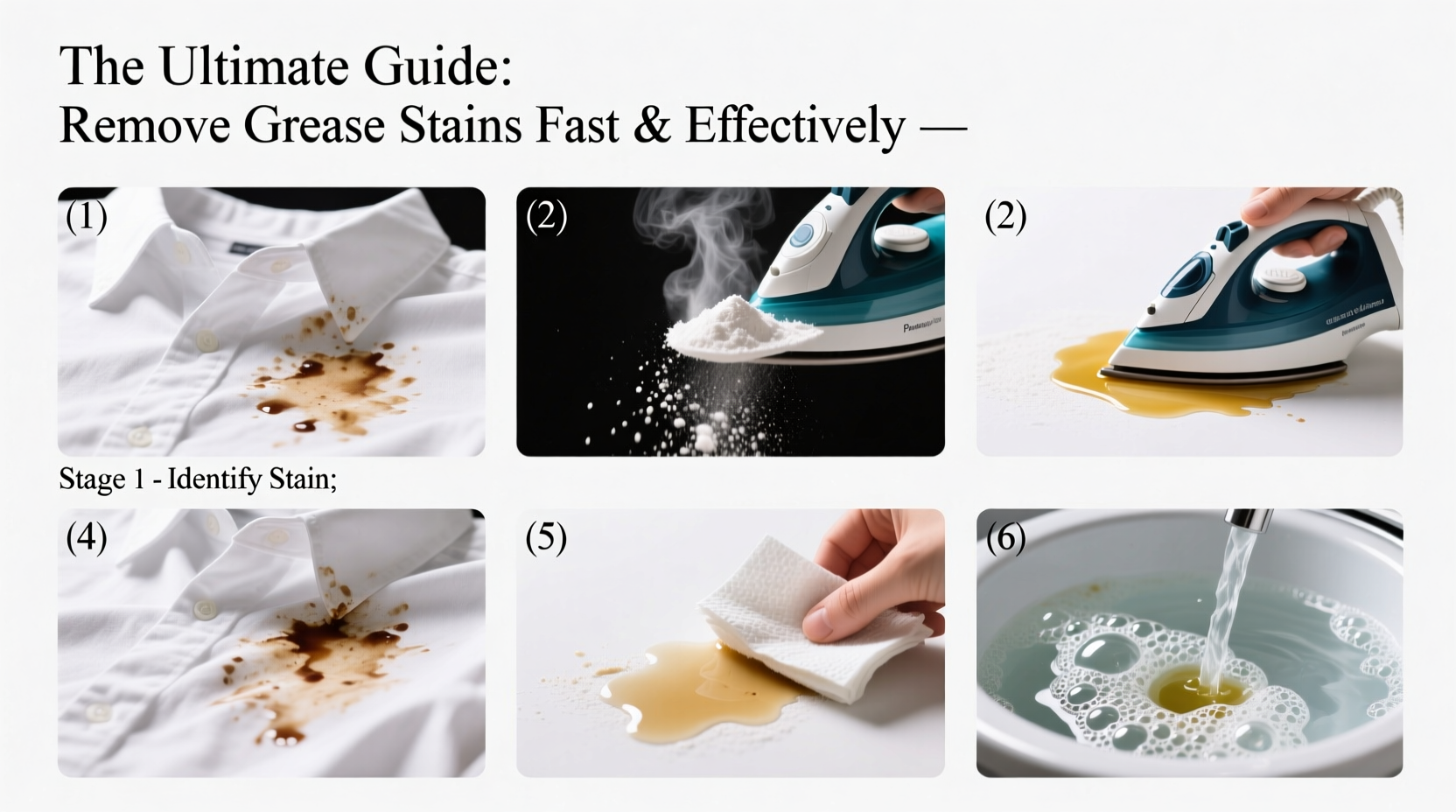
Grease is an oil-based substance that repels water, making it resistant to standard washing. When spilled on fabric, it penetrates the fibers rapidly and binds with them, especially in natural materials like cotton. Over time, oxidation causes the stain to darken, making it more visible and harder to remove. Heat—such as from a dryer or iron—can permanently set the stain by sealing the oil into the fibers.
The key to successful removal lies in breaking down the grease before it sets. This requires substances that attract oil (like absorbents) and agents that emulsify it (like dish soap), followed by proper laundering. Timing is critical: the sooner you act, the higher your chances of complete removal.
“Immediate blotting and pre-treatment can prevent 90% of permanent grease damage.” — Dr. Lena Torres, Textile Chemist at the Institute for Fabric Innovation
Step-by-Step Guide to Removing Fresh Grease Stains
Fresh stains respond best to immediate action. Follow this timeline for maximum effectiveness:
- Blot, don’t rub: Use a clean paper towel or cloth to gently absorb excess grease. Rubbing pushes the oil deeper into the fabric.
- Apply an absorbent: Sprinkle baking soda, cornstarch, talcum powder, or even baby powder over the stain. Let sit for 10–15 minutes to draw out the oil.
- Brush off residue: Gently brush away the powder with a soft-bristled brush or dry cloth.
- Pre-treat with dish soap: Apply a few drops of liquid dishwashing detergent (like Dawn) directly to the area. Dish soap is formulated to cut through grease. Gently massage it in with fingertips.
- Rinse with warm water: Hold the fabric under warm (not hot) running water from the back of the stain to push the grease out.
- Wash normally: Launder the garment in the warmest water safe for the fabric, using regular detergent.
- Air dry and inspect: Do not put the item in the dryer until the stain is gone. Heat sets remaining grease. If the stain persists, repeat the process.
Removing Set-In or Dried Grease Stains
If the garment has already been washed—or worse, dried—the process becomes more involved but is still often successful.
- Start by applying a small amount of rubbing alcohol or WD-40 to the stain. These solvents break down aged oils. Spray WD-40 lightly, wait 5–10 minutes, then blot.
- Rinse thoroughly with cold water to remove the solvent.
- Reapply dish soap and let sit for 30 minutes.
- Soak in a mixture of warm water and oxygen-based bleach (like OxiClean) for 1–2 hours. Avoid chlorine bleach, which can react with oil and worsen discoloration.
- Wash again in warm water with detergent and a capful of dish soap added directly to the drum.
For delicate fabrics like silk or wool, skip harsh solvents. Instead, use a small amount of dry cleaning fluid (like Carbona) following label instructions.
Do’s and Don’ts of Grease Stain Removal
| Do’s | Don’ts |
|---|---|
| Blot excess grease immediately | Rub the stain aggressively |
| Use absorbents like cornstarch or baking soda | Apply heat before the stain is gone |
| Treat with dish soap or degreasing agents | Use hot water on fresh stains (can set grease) |
| Wash in warm water after pre-treatment | Put stained clothes in the dryer prematurely |
| Repeat treatment if needed | Ignore care labels when testing chemicals |
Effective Home Remedies Compared
Many household products can assist in grease removal. Here’s how some common options stack up:
- Baking Soda: Excellent initial absorbent. Best for fresh spills.
- Cornstarch: Similar to baking soda; slightly finer texture may penetrate tighter weaves.
- Dish Soap: A must-have. Its surfactants lift grease from fibers efficiently.
- WD-40: Effective for dried stains due to its petroleum base, but must be rinsed well.
- Vinegar: Mild degreaser; works best in combination with baking soda or soap.
- Hairspray: Contains alcohol, which can dissolve grease—but may damage delicate fabrics or dyes.
Real-World Example: Kitchen Accident Recovery
Mark, a home cook, spilled hot olive oil down the front of his favorite cotton shirt while sautéing. He immediately turned off the stove, grabbed paper towels, and blotted the area. After sprinkling cornstarch from his pantry, he let it sit for 12 minutes while finishing dinner. He then brushed it off, applied blue Dawn dish soap, and rinsed under warm water at the sink. The next morning, he washed the shirt in warm water with detergent and line-dried it. No trace of the stain remained. By acting quickly and methodically, Mark saved a $70 shirt without needing special products.
Checklist: Quick Action Plan for Grease Stains
- ⬜ Blot excess grease with a clean cloth
- ⬜ Apply an absorbent (baking soda, cornstarch)
- ⬜ Wait 10–15 minutes, then brush off
- ⬜ Apply liquid dish soap directly to the stain
- ⬜ Rinse from the back with warm water
- ⬜ Wash in warm water with detergent
- ⬜ Air dry and check results before drying
- ⬜ Repeat if necessary, especially for old stains
Frequently Asked Questions
Can I use laundry detergent instead of dish soap?
Laundry detergents are less effective on pure grease because they’re designed for water-soluble soils. Dish soap contains stronger surfactants specifically engineered to cut through oils, making it superior for pre-treating grease.
What if the stain turns yellow after washing?
Yellowing often indicates residual oil that oxidized during drying. Rewash the garment using the full pre-treatment process. Soak in OxiClean solution before washing. Avoid drying until the discoloration is fully removed.
Are there fabrics I should never treat at home?
Silk, acetate, and rayon require extra caution. Test any solution on a hidden seam first. For valuable or labeled “dry clean only” items, consult a professional cleaner rather than risk damage.
Final Tips for Long-Term Stain Prevention
While accidents happen, small habits reduce risk. Wear aprons during cooking or mechanical work. Keep a grease-fighting stain pen in your laundry room or car. Treat all oily residues—even invisible ones—before laundering. Store stain-prone garments separately until cleaned to avoid transferring grease to other clothes.
“Most people underestimate how fast grease bonds with fabric. Five minutes of immediate care saves hours of remediation later.” — Sarah Lin, Master Dry Cleaner with 18 years of experience
Conclusion
Removing grease stains doesn’t require expensive products or magic formulas—just knowledge, speed, and consistency. From kitchen mishaps to garage projects, every grease incident can be managed effectively with the right steps. Now that you have a reliable, field-tested system, there’s no need to dread the next spill. Act fast, follow the protocol, and preserve your wardrobe one stain at a time.




 浙公网安备
33010002000092号
浙公网安备
33010002000092号 浙B2-20120091-4
Comments
No comments yet. Why don't you start the discussion?