
Furniture investment deserves protection. Whether it's a family heirloom dining table, a sleek modern coffee table, or a workspace desk, surfaces are vulnerable to scratches, scorch marks, moisture rings, and everyday wear. While many opt for standard tablecloths purely for decoration, few realize that a properly chosen thick tablecloth or table pad can serve as both an aesthetic enhancement and a functional shield. The key lies in understanding materials, thickness, construction, and real protective capabilities—not just appearance.
Most consumers assume any fabric covering will safeguard their furniture. In reality, thin cotton or polyester cloths offer little more than temporary visual appeal and minimal resistance to spills. True protection comes from layered, dense materials designed specifically to absorb impact, resist heat transfer, and prevent abrasion. This article explores what makes a table cover genuinely protective, how to choose the best option, and practical steps to maintain both your table and its covering over time.
Understanding the Difference: Tablecloth vs. Table Pad
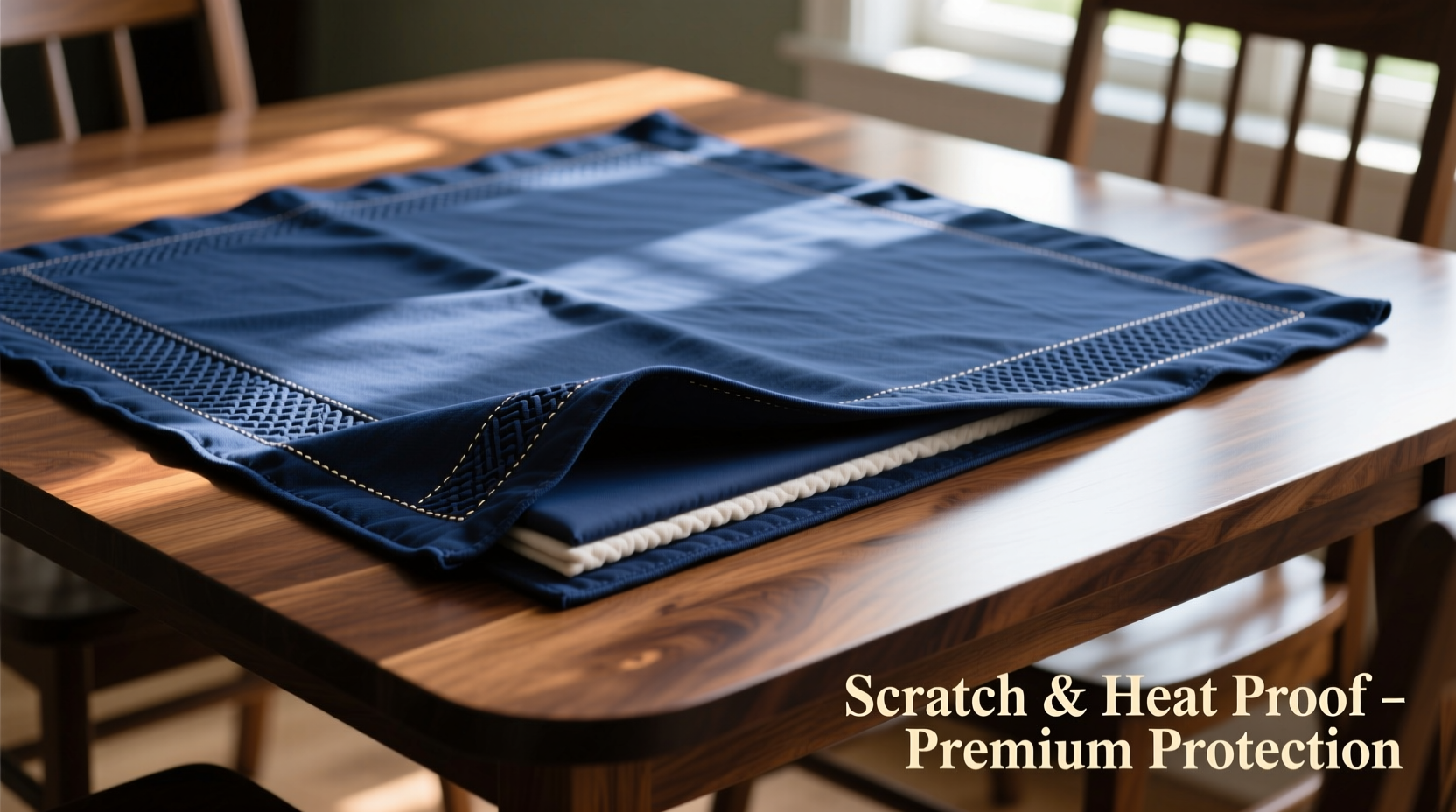
Though often used interchangeably, “tablecloth” and “table pad” refer to distinct products with different purposes.
- Tablecloths are typically made of fabric (cotton, linen, polyester blends) and valued for style and spill absorption. Standard versions are lightweight and decorative but offer negligible physical protection.
- Table pads, also known as table protectors or underlays, are rigid or semi-rigid sheets placed beneath a cloth or used alone. They are engineered for durability, featuring materials like tempered glass, acrylic, cork, felt-backed vinyl, or padded foam composites.
A \"thick tablecloth\" that actually protects is usually a hybrid—a heavy-duty fabric bonded with a cushioned backing such as rubber, felt, or foam. These combine aesthetics with shock absorption and thermal insulation. In contrast, standalone table pads focus purely on defense, often remaining invisible under a decorative cloth or serving as minimalist transparent shields.
What Makes a Cover Truly Protective?
Not all thick materials deliver equal performance. Real protection hinges on three core factors: scratch resistance, heat insulation, and structural integrity.
Scratch Resistance
Marks from utensils, pet claws, or dragging objects stem from surface friction. A protective layer must have a high coefficient of friction resistance. Materials like felt-backed vinyl, neoprene, or microfiber laminates create a buffer between abrasive items and the wood or veneer underneath.
Heat Protection
Hot dishes, coffee mugs, and candles emit temperatures exceeding 150°F (65°C), enough to warp finishes or cause permanent discoloration. Effective heat barriers use insulating cores—such as closed-cell foam or silicone-infused layers—that slow thermal conduction. Cork and tempered glass also perform well due to natural thermal resistance.
Thickness and Layering
Thickness matters—but only when paired with intelligent layering. A 3mm padded vinyl sheet outperforms a 5mm single-layer fabric because it combines surface resilience with internal cushioning. Look for multi-ply constructions with at least two functional layers: a top fabric or film for wear resistance and a bottom damping layer to absorb shocks.
“Many people think a heavier drape equals better protection. But without proper material science behind it, bulk alone won’t stop heat damage or fine scratches.” — Dr. Alan Reeves, Materials Scientist & Furniture Preservation Consultant
Choosing the Right Option: A Practical Guide
Selecting the ideal protector depends on your table’s material, usage patterns, and aesthetic preferences. Below is a step-by-step decision framework.
Step 1: Assess Your Table’s Vulnerability
- Is it antique or finished with shellac? → Prioritize full coverage and non-abrasive backings.
- Do you frequently place hot cookware on it? → Choose heat-rated pads (up to 250°F).
- Is it used by children or pets? → Opt for waterproof, tear-resistant materials.
Step 2: Match Material to Need
| Material | Scratch Protection | Heat Resistance | Best For |
|---|---|---|---|
| Tempered Glass | Excellent | High (up to 400°F) | Dining tables, desks |
| Cork-Felt Composite | Good | Moderate (up to 200°F) | Wooden tables, vintage pieces |
| Padded Vinyl with Felt Backing | Very Good | Moderate-High | Everyday dining, families |
| Thick Linen-Cotton Blend (no backing) | Poor | Low | Decorative use only |
| Silicone-Infused Fabric Pads | Excellent | Very High (up to 450°F) | Kitchen islands, serving areas |
Step 3: Measure Accurately
Ensure full coverage. Measure your table’s length, width, and shape. Custom-cut options are available for oval or irregular tables. Leave no edges exposed—overhang increases tripping risk, while undersizing leaves unprotected zones.
Real-World Example: Protecting a Heirloom Dining Table
The Henderson family inherited a 1920s oak dining table from their grandparents. After noticing faint knife marks and white rings from hot plates, they considered refinishing it—until advised otherwise by a local restoration expert. Instead, they opted for a 3.5mm felt-backed PVC table pad cut precisely to size, topped with a heavyweight jacquard weave cloth secured with elastic corners.
Within weeks, they observed fewer maintenance concerns. Spills were easier to wipe, and hot pans no longer left ghost marks. More importantly, the original finish remained intact after a year of weekly dinners and holiday gatherings. Their solution cost less than $120—far below the $800 quote for professional refinishing.
This case illustrates that prevention beats repair. With the right combination of materials, even heavily used tables can retain their beauty for generations.
Essential Care Tips for Longevity
A protective cover only works if maintained correctly. Dirt buildup, moisture retention, and improper cleaning can degrade both the pad and the table beneath.
- Vacuum or shake off dust weekly to prevent grit accumulation.
- Wipe spills immediately with a damp, non-abrasive cloth.
- For removable covers, follow manufacturer washing instructions—avoid bleach or high heat drying.
- Lift the pad weekly to air out the table surface and check for trapped moisture.
- Rotate or flip reversible pads every 3 months to ensure even wear.
Never leave a wet pad on a wooden surface. Trapped moisture can lead to warping or mold growth, especially in humid climates. If using a non-removable glass or acrylic top, clean with alcohol-free solutions to avoid etching.
Frequently Asked Questions
Can I use a regular tablecloth instead of a protective pad?
No. Standard tablecloths lack density and thermal resistance. They may absorb liquids but do nothing to stop scratches or heat damage. Only reinforced, multi-layered cloths with padding provide meaningful protection.
Are clear table pads noticeable?
High-quality tempered glass or acrylic pads are nearly invisible and preserve the look of fine wood grain. Lower-grade plastic films may yellow over time or reflect glare. Choose anti-glare, UV-stabilized options for best results.
How long do protective table pads last?
Well-maintained pads last 3–7 years depending on use. Signs of wear include bubbling, discoloration, fraying edges, or reduced flexibility. Replace them before they compromise table safety.
Final Thoughts: Invest in Invisible Defense
Your table is more than furniture—it’s where meals are shared, conversations unfold, and memories form. Protecting it shouldn’t mean sacrificing style. A thick tablecloth or table pad that genuinely guards against scratches and heat combines engineering and elegance, offering silent, continuous defense.
The best protection isn’t reactive; it’s built into daily habits. Choose wisely, install correctly, and maintain consistently. By doing so, you extend not just the lifespan of your table, but the quality of every moment spent around it.




 浙公网安备
33010002000092号
浙公网安备
33010002000092号 浙B2-20120091-4
Comments
No comments yet. Why don't you start the discussion?