
Delicate yet durable, thin onion-skin paper has quietly become a staple in creative studios, artisanal kitchens, and sustainable packaging operations. Though often mistaken for tissue paper or tracing paper, this translucent material possesses unique qualities that make it ideal for both functional and decorative applications. From wrapping delicate pastries to serving as a base for hand-lettered calligraphy art, its versatility is unmatched among lightweight papers. As demand grows for biodegradable, visually appealing materials in food service and craft industries, understanding how to select, use, and maximize the potential of onion-skin paper becomes essential for designers, small-batch producers, and culinary professionals alike.
Definition & Overview
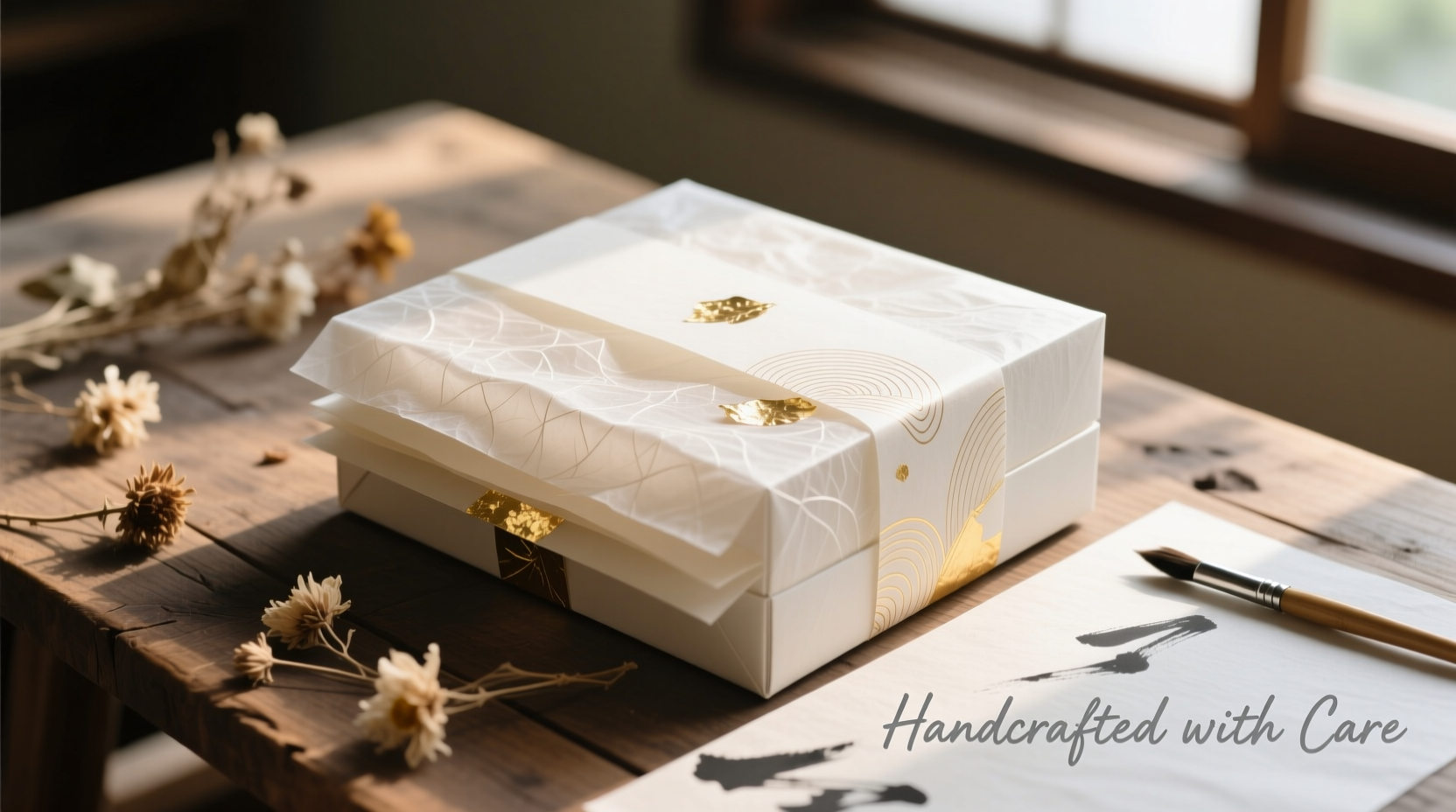
Onion-skin paper—also known as \"onion skin,\" \"manifold paper,\" or historically as \"typewriter paper\"—is an ultra-thin, semi-transparent paper originally developed in the early 20th century for carbon copy typing. Its name derives not from botanical relation but from its resemblance to the dry, papery outer layers of an onion. Today, it has evolved beyond office use into a specialized medium valued for its strength-to-weight ratio, translucency, and smooth surface texture.
In modern contexts, thin onion-skin paper refers to a high-density, long-fibered paper made primarily from chemical wood pulp, sometimes blended with cotton fibers for premium grades. It is acid-free in archival versions and available in various weights (typically 15–24 gsm), colors, and finishes. While no longer used for carbon copies, its legacy lives on in niche markets where delicacy, transparency, and tear resistance are simultaneously required.
The resurgence of interest in handmade goods, zero-waste packaging, and analog art forms has repositioned onion-skin paper as a go-to material for those seeking elegance without environmental compromise. Whether shielding fragile chocolates, protecting watercolor illustrations during transit, or acting as a stencil guide for gold leafing, its utility spans far beyond initial appearances suggest.
Key Characteristics
- Translucency: Allows light transmission, making it ideal for tracing, layering, and decorative overlays.
- Strength: Despite being extremely thin, it resists tearing better than standard tissue paper due to long cellulose fibers.
- Surface Smoothness: Offers excellent ink receptivity; suitable for fountain pens, fine-line markers, and calligraphy inks without feathering.
- Weight: Typically ranges between 15 and 24 grams per square meter (gsm), lighter than printer paper (70–90 gsm) but stronger than gift wrap tissue (12–16 gsm).
- Dimensional Stability: Minimal shrinkage or expansion under humidity changes compared to other thin papers.
- Eco-Friendliness: Biodegradable, compostable, and often recyclable when uncoated and free of synthetic dyes.
- Heat Resistance: Can withstand moderate heat, useful in baking environments when used as liner separators.
Tip: Always test ink compatibility before large-scale printing or writing. Some pigmented inks may bleed slightly depending on absorption rates.
Practical Usage in Crafting and Packaging
Crafting Applications
Artists and crafters prize onion-skin paper for its ability to serve multiple roles in mixed-media projects. Its semi-transparent nature allows for precise alignment in layered artwork, such as découpage, collage, and marbling transfers. Because it accepts wet media well, it can be used as a transfer sheet for water-soluble pigments or metallic foils.
One popular technique involves using onion-skin paper as a protective interleaving layer between pages of sketchbooks or portfolios. Unlike plastic sheets, it doesn’t trap moisture and prevents graphite or charcoal smudging while allowing airflow. Calligraphers also use it to draft layouts before committing to final vellum or cardstock, taking advantage of its grid-friendly transparency.
In bookbinding, especially Japanese stab binding or accordion-fold albums, thin onion-skin paper functions as both structural support and aesthetic element. When folded or pleated, it adds subtle dimension without bulk. Artists creating lampshades or lanterns incorporate colored varieties to diffuse light softly while maintaining durability.
Packaging Solutions
In culinary packaging, particularly for bakeries, chocolatiers, and specialty tea vendors, onion-skin paper plays a critical role in product presentation and protection. Its primary function is separation: preventing delicate items like macarons, cookies, or truffles from sticking together while remaining visible through transparent windows or open displays.
For example, a patisserie might stack miniature tarts in a gift box, placing a sheet of natural-toned onion-skin paper between each layer. The paper absorbs minor grease seepage, maintains structural integrity, and enhances perceived quality through its refined appearance. Unlike waxed or plastic-coated tissues, it does not impart odors or interfere with breathability—important for preserving freshness in hygroscopic confections.
Some gourmet brands print their logo directly onto custom-cut onion-skin liners using food-safe soy inks. These branded dividers double as marketing tools and tamper-evident seals. In loose-leaf tea packaging, small rectangles of scented onion-skin paper (infused lightly with vanilla or citrus oils) are tucked beneath cellophane wraps to enhance unboxing experience without direct contact with consumables.
“We switched from standard tissue to acid-free onion-skin paper for our wedding cake toppers. Not only does it protect the edible lace during shipping, but clients love how elegant it looks when they unwrap it.” — Elena Torres, Founder, Sugar Veil Edible Art Co.
Step-by-Step: Creating a Layered Gift Box Liner
- Measure the interior dimensions of your gift box lid and base.
- Cut two sheets of onion-skin paper 1 inch larger than each dimension to allow for folding.
- If desired, emboss or stamp one side with a monogram or pattern using a dry debossing tool.
- Place the first sheet inside the base, folding edges neatly underneath like gift wrap.
- Arrange products (e.g., artisanal soaps or baked goods).
- Add the second sheet over the top layer of items before closing the lid.
- Optional: Secure with a washi tape seal imprinted with your brand.
This method ensures each item remains pristine while elevating the unboxing moment with tactile sophistication.
Variants & Types
Not all onion-skin papers are created equal. Selection depends heavily on intended use, budget, and sustainability goals. Below are common variants found in commercial and artisanal supply chains:
| Type | Weight (gsm) | Features | Best For |
|---|---|---|---|
| Natural Unbleached | 18–20 | Brownish hue, minimal processing, high fiber strength | Eco-packaging, rustic branding, compostable inserts |
| Bleached White | 15–17 | High translucency, bright finish, smooth writing surface | Drafting, calligraphy templates, luxury product lining |
| Colored (Dyed) | 20–24 | Available in pastels or bold tones; colorfast if properly treated | Festive packaging, scrapbooking, layered art installations |
| Metallic-Coated | 22–24 | Light reflective sheen (gold, silver, copper); slight stiffness | Wedding favors, holiday gifts, high-end confectionery |
| Cotton-Blend Archival | 20 | Acid-free, lignin-free, museum-grade stability | Preserving artworks, heirloom stationery, archival storage |
When sourcing, consider whether you need FDA-compliant paper for indirect food contact. Most bleached and unbleached varieties meet these standards provided they’re free of optical brighteners and toxic dyes. Always request certification from suppliers if selling packaged food products.
Comparison with Similar Papers
Onion-skin paper is frequently confused with several other thin papers. Understanding the distinctions ensures proper application and avoids performance issues.
| Paper Type | Thickness | Strength | Primary Use | How It Differs from Onion-Skin |
|---|---|---|---|---|
| Tissue Paper | 12–16 gsm | Low – tears easily when damp | Gift wrapping, cushioning | Less durable, more porous, lacks translucency control |
| Tracing Paper | 40–60 gsm | High – designed for repeated use | Drawing, engineering plans | Thicker, more rigid, less flexible for packaging |
| Wax Paper | 20–25 gsm + coating | Moderate – resistant to oil/water | Food wrapping, non-stick surfaces | Coated surface prevents ink adhesion; not recyclable |
| Parchment Baking Paper | 30+ gsm (silicone-coated) | Very high – heat and grease resistant | Baking, roasting | Too stiff and chemically treated for crafts or display |
| Onion-Skin Paper | 15–24 gsm | High relative to weight | Crafting, packaging, drafting | Balances delicacy with resilience; optimal for multi-use |
The key differentiator is performance under stress: while tissue paper collapses under moisture, and tracing paper resists folding, onion-skin paper strikes a balance—flexible enough to conform, strong enough to endure handling.
Practical Tips & FAQs
How do I prevent ink from bleeding on onion-skin paper?
Use quick-drying inks such as pigment-based markers or alcohol inks. Fountain pen users should opt for waterproof nibs and allow extra drying time. Pre-testing on a scrap piece is recommended, especially with water-based calligraphy inks.
Can onion-skin paper be composted?
Yes, provided it is uncoated and printed with soy- or vegetable-based inks. Avoid composting metallic or laminated versions, which contain microplastics or aluminum residues.
Is it safe to use near food?
Only if labeled food-grade or FDA-compliant for indirect contact. Never use dyed or coated variants unless certified. Natural, unbleached onion-skin paper is safest for bakery packaging.
What’s the shelf life of stored onion-skin paper?
Up to five years when kept in a cool, dry place away from direct sunlight. Acid-free archival grades can last decades under controlled conditions. Store flat or rolled—not folded—to prevent permanent creasing.
Can it be ironed?
Gently, at low heat with a pressing cloth. High temperatures can scorch or melt fibers. Ideal for removing wrinkles before framing or display.
Are there sustainable sourcing options?
Yes. Look for FSC-certified or recycled-content onion-skin paper. Some manufacturers now offer chlorine-free bleaching processes and carbon-neutral production lines.
Storage Checklist:
- Keep in sealed poly bags to reduce dust accumulation.
- Avoid stacking heavy objects on top.
- Store vertically like files to maintain flatness.
- Use silica gel packs in humid climates to prevent moisture absorption.
Summary & Key Takeaways
Thin onion-skin paper occupies a unique space between fragility and functionality. Its combination of translucency, tensile strength, and surface smoothness makes it indispensable across creative and commercial domains. Far more than a nostalgic relic of typewritten memos, it serves modern needs in sustainable packaging, precision artistry, and premium product presentation.
Understanding the differences between variants—natural vs. bleached, cotton-blend vs. dyed—empowers users to match material properties with project requirements. Whether separating delicate pastries in a wedding favor box or serving as a drafting layer for hand-lettered invitations, its performance consistently exceeds expectations given its minimal weight.
Compared to alternatives like tissue or wax paper, onion-skin offers superior durability and aesthetic control. With proper handling and storage, it remains viable for years, supporting both short-term projects and long-term preservation efforts.
As consumers increasingly value transparency—both visual and ethical—in packaging and materials, thin onion-skin paper stands out as a responsible, beautiful, and highly functional choice. For artisans, chefs, and designers aiming to elevate their work with understated elegance, mastering its use is not just practical—it’s strategic.
Explore local art supply stores or online specialty paper distributors to sample different grades. Start with a small batch of natural 20 gsm onion-skin paper for testing in your next packaging or crafting project.




 浙公网安备
33010002000092号
浙公网安备
33010002000092号 浙B2-20120091-4
Comments
No comments yet. Why don't you start the discussion?