
Thrift flipping—buying secondhand items, restoring or repurposing them, and reselling for profit—has evolved from a niche hobby into a full-fledged side hustle for many. Among the most popular hunting grounds is Goodwill, where savvy shoppers routinely uncover hidden treasures worth hundreds, sometimes thousands, of dollars. But success isn’t about luck—it’s about strategy, knowledge, and consistency. With the right approach, anyone can transform $5 purchases into $500 profits.
This guide breaks down the proven techniques used by experienced flippers to consistently locate high-value items at Goodwill locations across the country. From understanding pricing patterns to identifying overlooked categories, you’ll learn how to shop smarter, not harder.
Know What You’re Looking For
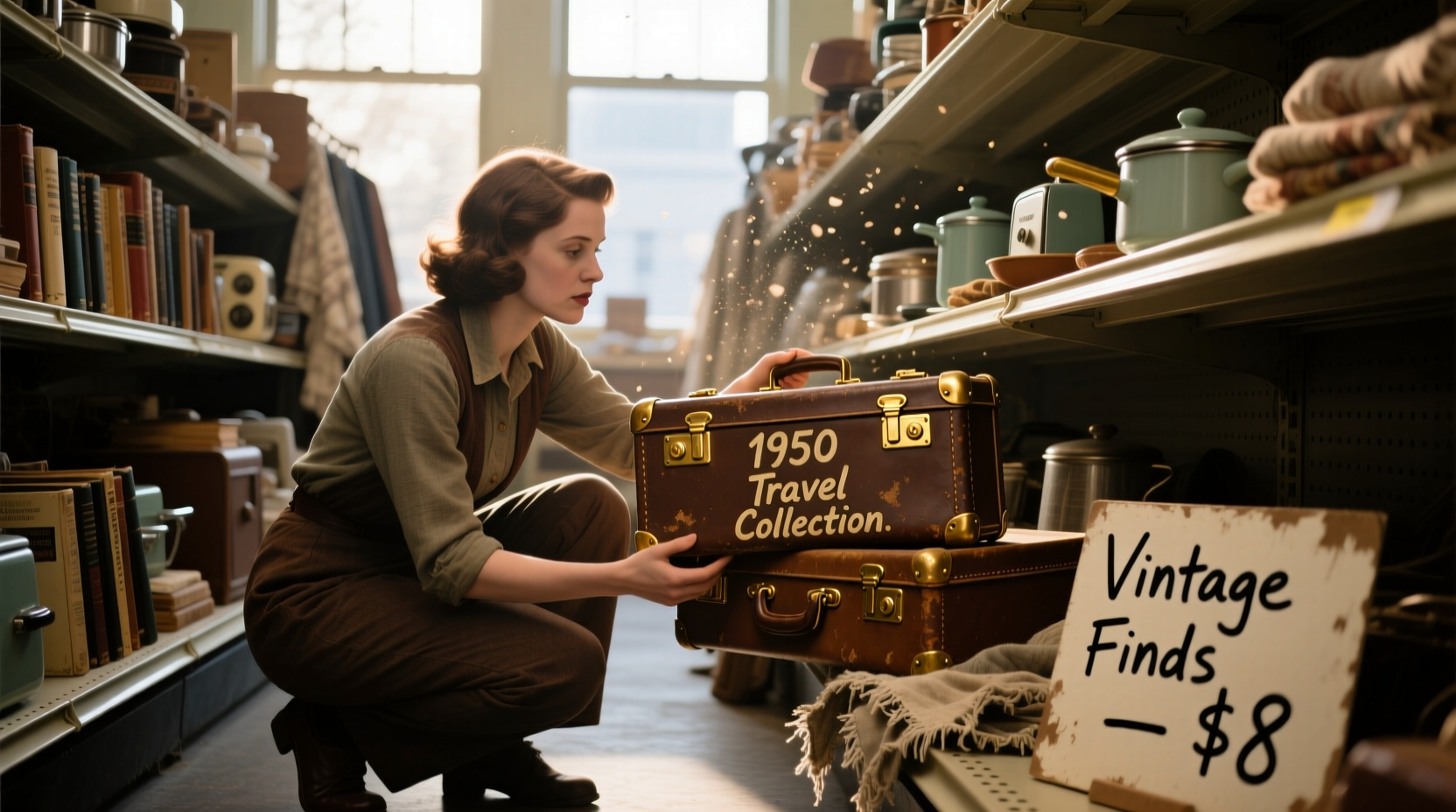
Random browsing rarely yields consistent results. Successful flippers don’t wander—they hunt with purpose. The first step is developing a mental (or written) list of high-demand, high-margin categories that frequently appear in thrift stores.
- Vintage clothing: Designer labels, band tees, 90s streetwear, and rare denim.
- Pottery and glassware: Fenton, Murano, Depression glass, and mid-century modern pieces.
- Furniture: Solid wood dressers, mid-century credenzas, and unique accent pieces.
- Books: First editions, vintage textbooks, and collectible series like National Geographic.
- Electronics: Working cameras, audio equipment, and retro gaming consoles.
- Tools: Vintage hand tools, woodworking gear, and branded power tools.
Each category has its own market dynamics. For example, vintage Pyrex sells rapidly on eBay due to its vibrant colors and nostalgic appeal, while mid-century lamps are highly sought after in home decor circles. The key is specialization: focus on one or two niches initially to build expertise quickly.
Master the Timing and Location Strategy
Not all Goodwill stores are created equal. Some locations receive donations from affluent neighborhoods, increasing the odds of finding designer goods. Others may be near colleges or retirement communities, skewing inventory toward textbooks or vintage kitchenware.
Timing also plays a crucial role. Most Goodwill locations follow a markdown schedule, typically reducing prices by 25% every few weeks until items are cleared. This means newer arrivals often sit untouched during early markdown cycles—prime time for flippers who know what to look for.
“Some of my best finds came on ‘color tag’ discount days. I once bought a signed Norman Rockwell print for $3.99 because no one recognized the signature.” — Marcus Tran, professional reseller and YouTube flipper
Additionally, arriving early in the morning gives you first access to new stock. Many stores restock overnight or first thing in the morning, so showing up when doors open maximizes your chances of beating other flippers to the rack.
Best Days to Shop at Goodwill
| Day | Advantage |
|---|---|
| Monday–Tuesday | New inventory from weekend donations; fewer shoppers |
| Thursday | Mid-week markdowns begin; deeper discounts on older stock |
| Saturday | Bulk deals and clearance bins often refreshed |
Decode Tags, Labels, and Materials
One of the most powerful skills in thrift flipping is the ability to identify value through subtle clues—tags, stitching, materials, and manufacturing marks. A garment labeled “Made in USA” from the 1970s is more likely to be authentic vintage than one made in China in the 2000s, even if they look similar.
For clothing, check inside care tags and side seams. Look for:
- Union labels (e.g., “ILGWU”)
- Original brand tags (Tom Ford-era Gucci, vintage Calvin Klein)
- Hand-stitched details or lining fabric quality
In furniture, examine construction methods. Dovetail joints, solid wood legs, and felt-lined drawers indicate higher craftsmanship. Avoid particle board or pressboard unless it’s easily refinable.
Glassware and ceramics often have maker’s marks on the bottom. Learn to recognize symbols for Fenton (FF in script), L.E. Smith (LS over C), or Westmoreland (WM in script). These can instantly boost resale value.
Step-by-Step Guide to a Successful Flip
Turning a thrift store find into a profitable sale requires a clear process. Follow this six-step method to maximize returns:
- Research Before Buying: Use your phone to search eBay “sold” listings for similar items. Don’t rely on current listings—only sold prices reflect real market value.
- Evaluate Condition Honestly: Minor flaws like stains or loose knobs can be fixed. Structural damage or missing parts may not be worth the effort.
- Calculate Your Profit Margin: Subtract estimated cleaning/repair costs and platform fees from the expected resale price. Aim for at least 3x your purchase cost.
- Clean and Restore: Wash clothes, polish wood, remove odors. A clean item photographs better and sells faster.
- Photograph Professionally: Use natural light, neutral backgrounds, and multiple angles. Include close-ups of labels, flaws, and unique features.
- List Strategically: Write detailed descriptions with keywords. Time your listing to go live during peak shopping hours (evenings and weekends).
This systematic approach minimizes guesswork and turns flipping into a repeatable business model.
A Real-World Flip Example
Last winter, Sarah Kim, a part-time flipper in Portland, Oregon, found a dusty ceramic lamp in the back corner of her local Goodwill. It had a cracked shade and was priced at $4.99. Most shoppers passed it by.
Sarah noticed the base had a faint “J.A. Bauer” stamp underneath the grime. She recalled seeing similar pieces sell for $80+ on Etsy. She snapped a photo and searched eBay—sure enough, a nearly identical lamp had sold two weeks prior for $95.
She bought the lamp, replaced the shade ($12 from a craft store), rewired the socket (free, using tools she already owned), and listed it on Facebook Marketplace with crisp photos and a description highlighting its mid-century origin. It sold within 48 hours for $85.
Total investment: $16.99. Profit: $68.01. Time invested: under 3 hours.
This story illustrates a core principle of successful flipping: value isn’t always obvious. It’s revealed through curiosity, research, and a willingness to see potential where others see junk.
Avoid Common Pitfalls
Even experienced flippers make mistakes. Here are the most frequent errors—and how to avoid them:
| Mistake | Consequence | How to Avoid |
|---|---|---|
| Buying based on emotion | Overpaying for items you love but can’t sell | Stick to your niche and profit goals |
| Ignoring cleaning costs | Low margins after supplies and labor | Factor in time and materials before purchase |
| Overestimating resale value | Items sit unsold for months | Check completed sales, not just active listings |
| Poor photography | Lower offers or no interest | Use daylight and clean backgrounds |
“The biggest myth is that you need to be an antique expert. You don’t. You just need to be willing to look up one more thing before walking away.” — Dana Lopez, author of *The Thrift Flip Handbook*
Essential Checklist for Every Thrift Run
Print or save this checklist on your phone to stay focused during each visit:
- ✅ Charge your phone and bring a portable charger
- ✅ Bring reusable bags or a cart for heavy items
- ✅ Know your target categories for the week
- ✅ Check eBay sold listings for recent prices
- ✅ Inspect all items for damage, stains, or missing parts
- ✅ Verify functionality (plugs, zippers, hinges)
- ✅ Take quick photos of potential flips for later research
- ✅ Stick to your budget—no impulse buys outside your niche
Following this simple routine helps maintain discipline and prevents buyer’s remorse.
FAQ: Common Questions About Thrift Flipping at Goodwill
Can I really make money flipping Goodwill items?
Yes, absolutely. Thousands of people earn supplemental income—or even full-time wages—through thrift flipping. Success depends on consistency, research, and choosing the right platforms to sell (eBay, Poshmark, Facebook Marketplace, Etsy). Some flippers report earning $500–$2,000 per month with just a few hours of work weekly.
What should I avoid buying at Goodwill?
Steer clear of heavily damaged furniture, stained bedding, recalled electronics, and anything with strong odors (especially smoke or mildew). Also avoid large appliances unless you can test them on-site. These items are hard to resell and often cost more to repair or dispose of than they’re worth.
How do I know if something is vintage or just old?
Vintage generally refers to items that are at least 20 years old and reflect the design trends of their era. Look for manufacturing tags, style cues (like rounded edges on 70s furniture), and materials (real wood, metal zippers, analog dials). When in doubt, search the brand and model online to confirm production dates.
Start Smart, Scale Slowly
Thrift flipping isn’t a get-rich-quick scheme—it’s a skill built over time. The most successful flippers started small, learned from missed opportunities, and refined their strategies with every trip. You don’t need a warehouse or a huge budget. You need a plan, a smartphone, and the patience to look closer.
Visit your nearest Goodwill with a clear goal. Pick one category to master first. Research three potential flips before you buy anything. Clean, photograph, and list them properly. Reinvest your profits into better tools or inventory. Repeat.
Within months, you could turn weekend browsing into a reliable income stream—all while keeping usable goods out of landfills and giving forgotten items a second life.




 浙公网安备
33010002000092号
浙公网安备
33010002000092号 浙B2-20120091-4
Comments
No comments yet. Why don't you start the discussion?