
Thrifting isn’t just about saving money—it’s a treasure hunt with the potential to uncover high-end fashion for a fraction of retail prices. Nowhere is this more true than at Goodwill, where overlooked donations often include luxury labels quietly tucked among everyday items. With the right strategy, patience, and a bit of insider knowledge, you can walk away with designer coats, handbags, shoes, and accessories worth hundreds—or even thousands—for under $20. The key? Knowing how, when, and where to look.
Understand What Makes a Designer Piece Valuable
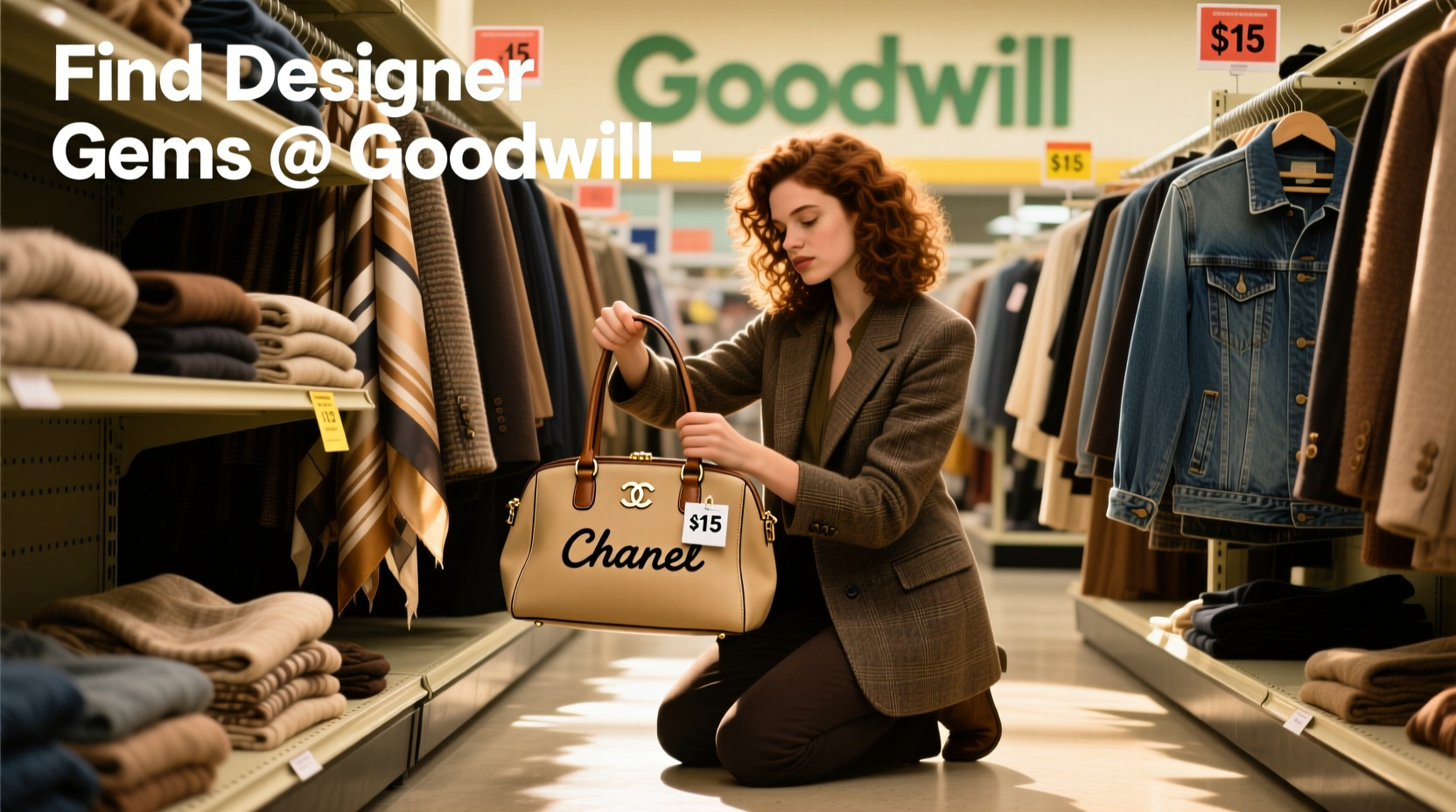
Before diving into the racks, it’s essential to recognize what separates a true designer gem from a fast-fashion imitation. Not every label with fancy lettering is luxury. Focus on brands known for craftsmanship, heritage, and resale value. These include:
- Bags & Accessories: Louis Vuitton, Gucci, Prada, Chanel, Celine, YSL, Bottega Veneta
- Outerwear: Burberry, Canada Goose, Moncler, Max Mara, Theory, Vince
- Shoes: Manolo Blahnik, Jimmy Choo, Christian Louboutin, Aquazzura, Cole Haan (especially older models)
- Apparel: Ralph Lauren Purple Label, Armani, Hugo Boss, J.Crew Ludlow, Everlane (premium lines)
Pay attention to construction details: stitching should be tight and even, hardware should feel weighty and branded, and linings should be high-quality fabric. Authentic designer pieces rarely use plastic zippers or flimsy materials.
Shop Smart: Timing and Location Matter
Not all Goodwill stores are created equal. High-end neighborhoods, college towns, and affluent suburbs tend to receive better donations simply because residents update their wardrobes more frequently and donate higher-quality items. Visit multiple locations in different areas to compare inventory levels and pricing.
Timing also plays a crucial role. New merchandise arrives daily, but markdown cycles follow a predictable pattern. Most Goodwill locations mark down items every 2–4 weeks. If something doesn’t sell within that window, it drops in price—sometimes by 50% or more.
“Stores in cities like Seattle, Austin, and Denver see luxury donations regularly due to tech wealth and minimal stigma around secondhand shopping.” — Sarah Lin, Sustainable Fashion Curator
Best Days to Shop at Goodwill
| Day of Week | Why It’s Ideal | What to Expect |
|---|---|---|
| Monday | Fresh inventory after weekend donations | New arrivals, especially clothing and accessories |
| Wednesday | Midweek restocks and early discount cycles | Potential markdowns on unsold Saturday items |
| Saturday | High foot traffic means competition, but volume spikes | More chance finds, but arrive early |
| Last Day of the Month | Clearance events and deep discounts | Extra coupons or color tag sales |
Master the Art of Scanning Racks Efficiently
Time is limited during a thrift run. You need a system to scan hundreds of items quickly without missing hidden value. Start with categories most likely to hold designer goods: coats, handbags, belts, and shoes.
Use the “tag check” method: flip through hangers rapidly, focusing only on inside care tags and brand labels. Ignore style, fit, or condition at first pass. Your goal is identification, not evaluation. Once you spot a promising label, set it aside for closer inspection.
Red Flags That Signal Potential Designer Wear
- Made in Italy, France, or Spain (common for luxury production)
- Unusual fabric blends (e.g., cashmere-silk, lambskin)
- Branded buttons, zippers (YKK with brand engraving), or lining patterns
- Heft—real leather bags feel substantial, not hollow
Spot Fakes and Avoid Costly Mistakes
While many authentic designer items end up in thrift stores, counterfeit pieces do too. Learning to distinguish real from replica saves both money and embarrassment.
For example, genuine Louis Vuitton never uses red thread in stitching and always has precise, symmetrical monogram alignment. Fake Gucci belts often have uneven G’s and mismatched spacing. Chanel authenticity hinges on serial numbers, hologram stickers (on recent pieces), and flawless quilting.
Do’s and Don’ts When Evaluating Designer Finds
| Do | Don’t |
|---|---|
| Check interior tags for model numbers or country of origin | Assume a brand label automatically means authenticity |
| Feel the material—genuine leather softens over time; patent finishes crack naturally | Buy damaged goods unless repair cost is factored in |
| Compare against official brand images online | Ignore missing parts (dust bags, authenticity cards, locks) |
| Ask staff if they have storage rooms or online-only inventory | Overpay based on excitement—stick to your budget |
“About 1 in 5 so-called ‘designer’ bags I see at thrift stores are replicas. Learn one brand deeply before expanding your search.” — Marcus Tran, Vintage Reseller & Authentication Consultant
Real Thrift Success: A Case Study
In 2022, Mia Rodriguez, a freelance stylist in Portland, Oregon, visited her local Goodwill on a rainy Wednesday morning. She was scanning the coat rack for wool blends when she spotted a heavy black trench with a faded label. Flipping it inside out, she found a small “Burberry London” tag stitched near the neckline. The outer fabric was slightly scuffed, and the price tag read $14.99.
She inspected the lining—a classic Burberry plaid in perfect condition—and checked the buttons for engraved logos. Everything matched. After a quick online search, she discovered the model was a discontinued Heritage line trench, retailing originally for $1,200. With minor cleaning and button polishing, she resold it on Poshmark for $425.
Mia’s secret? She shops weekly, knows Burberry’s production codes, and carries before/after photos of past finds to train her eye. “It’s not luck,” she says. “It’s repetition and research.”
Your Step-by-Step Guide to Finding Designer Gems
Follow this proven sequence to maximize your chances of scoring big:
- Research 3–5 target brands—focus on those with strong resale markets (e.g., Celine, Prada, Burberry).
- Visit 2–3 Goodwill locations in varying neighborhoods to compare donation quality.
- Go early on Mondays or Wednesdays for fresh stock and fewer crowds.
- Head straight to outerwear, handbags, and men’s dress shoes—these categories yield the highest ROI.
- Scan every item using the tag-check method, ignoring aesthetics until later.
- Inspect construction details: stitching, lining, hardware, weight, and smell (mildew = red flag).
- Verify authenticity via smartphone using brand-specific guides or forums.
- Factor in cleaning or repair costs before purchasing damaged items.
- Keep a log of finds—note brands, prices, and resale outcomes to refine your strategy.
- Revisit stores on discount days (often Fridays or month-end) for deeper deals.
Essential Checklist Before You Leave the Store
Run through this checklist before finalizing any purchase:
- ✅ Brand label visible and legible?
- ✅ Country of manufacture consistent with brand standards?
- ✅ No major stains, tears, or broken hardware?
- ✅ Smells clean (no smoke, mold, or perfume overload)?
- ✅ Price aligns with potential resale or personal use value?
- ✅ Have I compared this to current market prices online?
FAQ: Common Questions About Thrifting Designer Goods
Can you really find authentic designer items at Goodwill?
Absolutely. People donate everything—from forgotten closet pieces to estate cleanouts. Authentic designer coats, bags, and shoes appear regularly, especially in urban or affluent-area locations. The key is knowing what to look for and being persistent.
What should I do if I’m unsure about authenticity?
If a piece feels off but looks promising, don’t buy it immediately. Take a photo and note the price. Research that night using Reddit communities (like r/fashionreps or r/DesignerReplicas), authentication services, or YouTube comparison videos. Return only if confirmed genuine.
Is it ethical to resell thrifted designer items for profit?
Yes, as long as you’re transparent about the item’s origin and condition. Many professional resellers source from thrift stores legally and ethically. This practice extends the life of clothing, supports circular fashion, and makes luxury accessible to more people.
Final Thoughts: Turn Thrifting Into a Skill
Finding designer gems at Goodwill isn’t magic—it’s methodology. The most successful thrifters treat it like a craft: studying brands, tracking store cycles, refining inspection techniques, and learning from every visit. Over time, your eye sharpens, your confidence grows, and so do your wins.
Start small. Aim to find one quality piece per month. Document it. Clean it. Wear it proudly—or resell it wisely. Each discovery builds momentum. Soon, you won’t just be shopping at Goodwill—you’ll be curating a wardrobe of hidden luxury, one thoughtful find at a time.




 浙公网安备
33010002000092号
浙公网安备
33010002000092号 浙B2-20120091-4
Comments
No comments yet. Why don't you start the discussion?