
Seeing brown liquid in vomit can be alarming. Unlike typical yellow or green bile, brown-colored vomit often signals something more serious, such as gastrointestinal bleeding or the presence of digested blood. While not always an emergency, it should never be ignored. Understanding the potential causes, associated symptoms, and when to seek medical attention is essential for timely intervention and peace of mind.
Common Causes of Brown Vomit
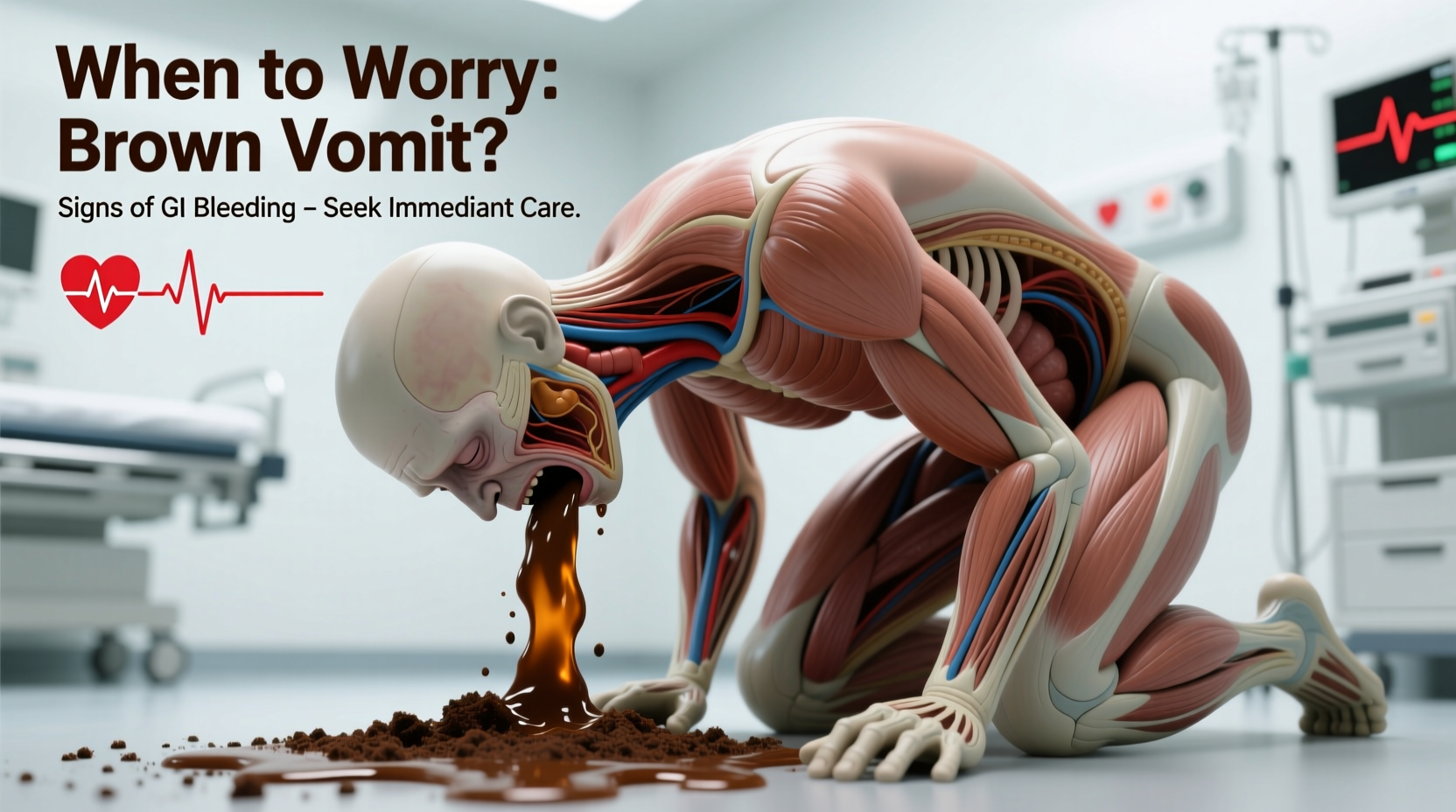
Brown vomit typically results from substances that have been partially digested or altered by stomach acid. The color may resemble coffee grounds, which is a hallmark sign of upper gastrointestinal (GI) bleeding. However, dietary and lifestyle factors can also produce similar appearances.
- Digested Blood (Hematemesis): One of the most concerning causes. When blood from the upper GI tract—such as the esophagus, stomach, or duodenum—mixes with stomach acid, it turns dark brown or black, resembling coffee grounds.
- Iron Supplements: High-dose iron pills can darken stool and sometimes affect vomit color, especially if nausea leads to regurgitation.
- Medications: Certain drugs, including bismuth subsalicylate (e.g., Pepto-Bismol), can cause temporary discoloration of both stool and vomit, turning them dark brown or black.
- Dietary Factors: Consuming large amounts of dark foods like chocolate, coffee, licorice, or beetroot can tint vomit brown, particularly if digestion has already begun.
- Stomach Ulcers or Gastritis: Inflammation or sores in the stomach lining may bleed slowly, leading to discolored vomit.
- Mallory-Weiss Tear: A tear in the esophagus caused by violent vomiting or retching, which can result in bleeding and brownish vomitus.
When Brown Vomit Signals a Medical Emergency
Not all cases of brown vomit require immediate care, but certain red flags demand urgent evaluation. The presence of digested blood indicates potential hemorrhage, which can become life-threatening if untreated.
“Brown, coffee-ground-like vomit is a clinical warning sign. It suggests upper GI bleeding until proven otherwise. Patients should be evaluated promptly.” — Dr. Alan Reyes, Gastroenterologist
Symptoms that warrant immediate medical attention include:
- Repeated episodes of brown or bloody vomiting
- Dizziness, lightheadedness, or fainting
- Rapid heart rate or low blood pressure
- Black, tarry stools (melena)
- Severe abdominal pain or bloating
- Pale skin or signs of shock
If any of these accompany brown vomit, call emergency services or go to the nearest ER. Delaying treatment increases the risk of complications like severe anemia or hypovolemic shock.
Diagnosis and Medical Evaluation
A healthcare provider will assess your medical history, medication use, recent diet, and symptom timeline. Physical examination may reveal signs of dehydration, abdominal tenderness, or low blood pressure.
Diagnostic steps often include:
- Blood tests: To check hemoglobin levels and assess for anemia or infection.
- Stool test: For occult (hidden) blood.
- Endoscopy: A procedure where a flexible tube with a camera examines the esophagus, stomach, and duodenum to locate bleeding sources.
- Imaging: CT scans or ultrasounds may be used if structural issues are suspected.
Accurate diagnosis depends on distinguishing between benign causes (like food or medication) and serious pathology. Never self-diagnose based on color alone.
Do’s and Don’ts When Experiencing Brown Vomit
| Action | Do | Don't |
|---|---|---|
| Hydration | Sip small amounts of clear fluids (water, electrolyte drinks) | Drink alcohol or carbonated beverages |
| Diet | Stick to bland foods (rice, toast, bananas) once vomiting stops | Eat spicy, fatty, or acidic foods |
| Medication | Review current prescriptions with a doctor | Take NSAIDs (ibuprofen, aspirin) without approval |
| Monitoring | Track frequency, volume, and appearance of vomit | Ignore repeated episodes or worsening symptoms |
| Seeking Help | Contact a doctor if unsure or symptoms persist | Wait hours or days with active bleeding signs |
Real-Life Scenario: Recognizing the Warning Signs
Mark, a 52-year-old man with a history of chronic gastritis, had been managing his condition with over-the-counter antacids. After a weekend of heavy drinking and skipped meals, he began vomiting a dark brown substance resembling coffee grounds. He initially dismissed it as leftover coffee but continued to feel weak and dizzy. His wife insisted he visit urgent care, where blood tests revealed low hemoglobin and an endoscopy identified a bleeding stomach ulcer. With prompt treatment, including medications and lifestyle changes, Mark recovered fully.
This case illustrates how seemingly minor habits—like alcohol use and poor diet—can escalate into serious conditions. Early recognition and action prevented a worse outcome.
Step-by-Step Guide: What to Do If You Vomit Brown Liquid
- Stay Calm: Panic can worsen symptoms. Sit upright to reduce aspiration risk.
- Stop Eating: Give your stomach time to rest. Avoid solid food until vomiting stops.
- Hydrate Slowly: Sip water or oral rehydration solution every 10–15 minutes.
- Assess Other Symptoms: Note dizziness, pain, fever, or black stools.
- Review Medications and Diet: Identify recent use of iron, bismuth, or dark-colored foods.
- Contact a Healthcare Provider: Describe the color, consistency, and frequency of vomit.
- Go to the ER if: You experience chest pain, confusion, rapid heartbeat, or repeated vomiting with brown or red material.
Frequently Asked Questions
Is brown vomit always a sign of internal bleeding?
No, not always. While it can indicate digested blood, brown vomit may also result from medications like Pepto-Bismol, iron supplements, or certain foods. However, because it's difficult to distinguish visually, any instance should be medically evaluated if unexplained or recurrent.
Can alcohol cause brown vomit?
Yes. Heavy alcohol use can irritate the stomach lining, leading to gastritis or even Mallory-Weiss tears from repeated vomiting. This may result in bleeding and brown, coffee-ground-like vomitus. Chronic alcohol use increases the risk of ulcers and liver disease, both of which can contribute to GI bleeding.
How long should I wait before seeing a doctor?
If the brown vomit occurs once and resolves quickly—especially after consuming dark foods or medications—you may monitor symptoms for 24 hours. But if it happens more than once, is accompanied by pain, dizziness, or black stools, seek medical advice immediately. When in doubt, err on the side of caution.
Prevention and Long-Term Care
Reducing the risk of conditions that lead to brown vomit involves proactive digestive health management. Chronic issues like ulcers, GERD, and gastritis are often preventable with lifestyle adjustments.
- Avoid excessive alcohol and tobacco use
- Limit NSAID use or take them with food and under medical supervision
- Eat regular, balanced meals to avoid prolonged stomach acid exposure
- Manage stress through mindfulness, exercise, or therapy—chronic stress can exacerbate GI disorders
- Treat acid reflux early to prevent esophageal damage
For those with diagnosed GI conditions, adherence to treatment plans—including medications like proton pump inhibitors—is crucial in preventing complications.
Conclusion: Take Action Before It’s Too Late
Brown vomit is not something to brush off. Whether caused by a harmless supplement or a bleeding ulcer, the symptom demands attention. Your body is signaling that something is out of balance. Ignoring it could mean missing a window for early treatment. Pay attention to patterns, document symptoms, and don’t hesitate to reach out to a healthcare professional. Digestive health is foundational to overall well-being—protect it with informed, timely action.




 浙公网安备
33010002000092号
浙公网安备
33010002000092号 浙B2-20120091-4
Comments
No comments yet. Why don't you start the discussion?