
Vomiting clear liquids or fluids without solid matter can be unsettling and uncomfortable. While occasional episodes may result from mild digestive upset, persistent or severe vomiting requires attention. Understanding the underlying causes and knowing how to respond can prevent complications like dehydration and support faster recovery. This guide explores the most frequent reasons for liquid vomiting, outlines actionable steps to manage it, and highlights warning signs that demand medical evaluation.
Why Do People Throw Up Liquids?
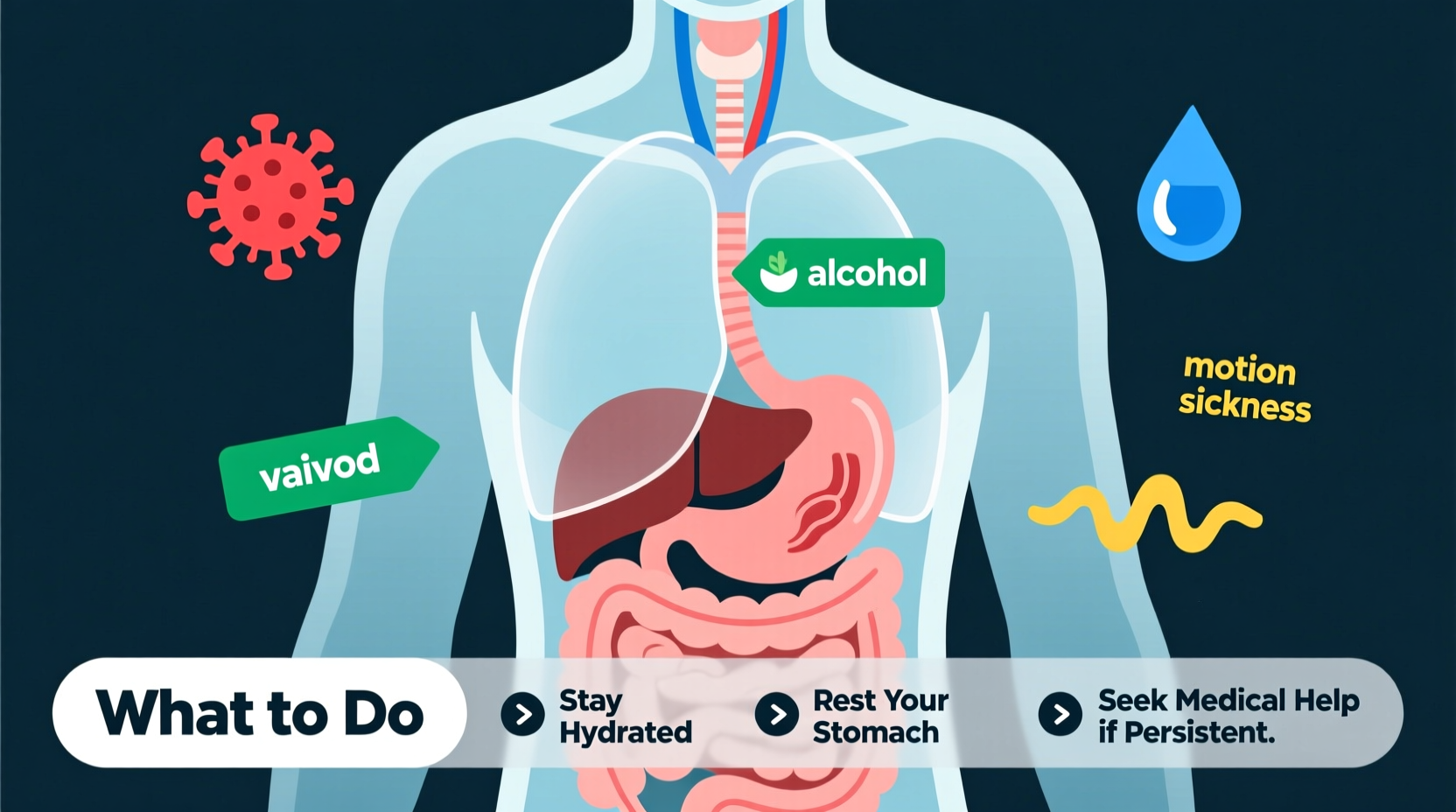
Vomiting liquids typically occurs when the stomach is empty or nearly empty. The body expels gastric fluids, bile, or ingested water because digestion has already processed any solids, or because nausea triggers vomiting before food intake. Common culprits include gastrointestinal infections, acid reflux, motion sickness, and postoperative nausea. In some cases, the cause is benign and short-lived; in others, it signals a more serious condition requiring intervention.
The composition of the expelled fluid can offer clues:
- Clear or watery fluid: Often saliva, water, or gastric secretions.
- Yellow or greenish liquid: Likely bile, indicating vomiting on an empty stomach or intestinal reflux.
- Foul-smelling fluid: May suggest bowel obstruction or bacterial overgrowth.
Common Causes of Liquid Vomiting
Several conditions frequently lead to vomiting liquids. Identifying the likely cause helps determine whether home care is sufficient or if medical consultation is necessary.
Gastroenteritis (Stomach Flu)
A viral or bacterial infection of the digestive tract often begins with nausea and progresses to vomiting, sometimes only fluids if the stomach is empty. Diarrhea usually follows. Norovirus and rotavirus are common viral agents, especially in children.
Acid Reflux and GERD
Excess stomach acid can rise into the esophagus, causing irritation and reflexive vomiting. Individuals with gastroesophageal reflux disease (GERD) may vomit clear or slightly yellow fluid, particularly after lying down or eating large meals.
Motion Sickness
Disruption in the inner ear’s balance system during travel can trigger nausea and vomiting. Since little or no food may have been consumed, the vomit consists mainly of saliva and gastric juices.
Pregnancy (Morning Sickness)
Nausea and vomiting affect up to 80% of pregnant individuals, especially in the first trimester. Frequent vomiting of liquids, known as \"hyperemesis gravidarum\" in severe cases, can lead to dehydration and require hospitalization.
Postoperative Nausea
Anesthesia and pain medications after surgery commonly cause nausea and vomiting. Patients who haven’t eaten pre-surgery often vomit clear fluids or bile.
Bowel Obstruction
A partial or complete blockage in the intestines prevents food and fluid from passing through. Early signs include cramping, bloating, and vomiting—initially of stomach contents, then bile, and eventually fecal-like material in advanced cases.
“Repeated vomiting of clear liquid, especially when accompanied by abdominal distension or inability to pass gas, should prompt immediate medical evaluation.” — Dr. Lena Torres, Gastroenterologist
What to Do When You’re Throwing Up Liquids
Managing liquid vomiting focuses on hydration, rest, and preventing worsening symptoms. Follow these evidence-based steps to support recovery.
Step-by-Step Guide to Managing Symptoms
- Stop eating and drinking temporarily. Let your stomach settle for 15–30 minutes after vomiting.
- Sip small amounts of fluid. Use a teaspoon or straw every few minutes. Opt for oral rehydration solutions, weak tea, or clear broth.
- Avoid sugary, acidic, or caffeinated drinks. These can irritate the stomach lining.
- Gradually reintroduce bland foods. After 6–8 hours without vomiting, try toast, rice, bananas, or applesauce (BRAT diet).
- Rest in an upright position. Lying flat increases reflux risk. Propping yourself up with pillows can reduce nausea.
- Monitor symptoms closely. Track frequency, color of vomit, and associated symptoms like fever or pain.
Do’s and Don’ts: Quick Reference Table
| Do’s | Don’ts |
|---|---|
| Sip small amounts of electrolyte solution every 5–10 minutes | Drink large volumes quickly |
| Rest with head elevated | Lie flat immediately after vomiting |
| Eat bland, low-fat foods after symptoms improve | Consume dairy, spicy, or greasy foods too soon |
| Use ginger tea or peppermint aromatherapy for nausea relief | Take NSAIDs like ibuprofen on an empty stomach |
| Seek care if symptoms persist beyond 24 hours in adults | Ignore signs of dehydration or severe pain |
When to Seek Medical Help
While many cases resolve within a day or two, certain red flags indicate a need for urgent evaluation:
- Vomiting lasts longer than 24 hours in adults or 12 hours in young children
- Inability to keep down even small sips of fluid
- Signs of dehydration: dry mouth, dizziness, reduced urination, dark urine
- Severe abdominal pain or distension
- Vomiting blood or material resembling coffee grounds
- Fever above 101°F (38.3°C) with persistent vomiting
- Head injury preceding vomiting
Infants, older adults, and people with chronic illnesses are at higher risk for complications and should be monitored closely.
Mini Case Study: Persistent Morning Vomiting in Pregnancy
Sarah, a 28-year-old woman in her eighth week of pregnancy, began experiencing daily nausea and vomiting, mostly clear fluid and saliva. She initially managed with dietary changes and ginger tea. However, after losing weight and feeling lightheaded, she consulted her OB-GYN. Blood tests revealed low potassium and signs of dehydration. She was diagnosed with hyperemesis gravidarum and prescribed safe anti-nausea medication and IV fluids. With treatment, her symptoms improved within days. This case illustrates how seemingly routine morning sickness can escalate and require medical support.
Prevention and Long-Term Management
For those prone to recurrent liquid vomiting, preventive strategies can reduce frequency and severity:
- Manage underlying conditions: Treat GERD, migraines, or anxiety disorders with appropriate therapies.
- Avoid known triggers: Motion sickness? Use anti-nausea patches before travel. Acid reflux? Eat smaller meals and avoid late-night eating.
- Stay hydrated throughout the day: Chronic mild dehydration can worsen nausea.
- Practice stress reduction: Meditation, breathing exercises, and adequate sleep help regulate digestive function.
FAQ
Is it normal to throw up clear liquid when sick?
Yes, especially if you haven’t eaten or have already expelled stomach contents. Clear liquid vomiting is common with viral infections, but prolonged episodes need monitoring for dehydration.
Can anxiety cause vomiting of liquids?
Absolutely. Severe anxiety or panic attacks can stimulate the vagus nerve, leading to nausea and vomiting—often clear fluid if the stomach is empty. Breathing techniques and grounding exercises can help reduce symptoms.
Should I take anti-nausea medication at the first sign of vomiting?
Over-the-counter options like dimenhydrinate (Dramamine) or meclizine can help, especially for motion sickness or vertigo. For persistent vomiting, consult a doctor before using medication, particularly in children or pregnant individuals.
Conclusion
Vomiting liquids is a common symptom with a wide range of causes—from minor and self-limiting to serious and systemic. By understanding triggers, responding with proper hydration techniques, and recognizing danger signs, you can navigate episodes safely and know when to seek professional care. Most cases improve with rest and careful management, but never underestimate the importance of timely medical evaluation when symptoms persist or worsen.




 浙公网安备
33010002000092号
浙公网安备
33010002000092号 浙B2-20120091-4
Comments
No comments yet. Why don't you start the discussion?